Paw Patrol Coloring Pages
When the PAW Patrol Lookout receives a call from Adventure Bay, Ryder and the pups are on the case before the siren has even finished wailing! Rescue packs are prepared, vehicles are readied, and the pups are off on their next mission to restore order. Which badge will you choose when joining the pups?
We’ve combined rescue packs, vehicles, and adventures from across Adventure Bay to create more than 40 Paw Patrol coloring pages for kids and adults. We’ve included simpler pictures and more intricate ones too, so that everyone is ready to join the action.
Each pup has their own specialty, but there’s no doubt that all of them bring something special to the team! Chase, Marshall, Skye, Rubble, Rocky, and Zuma are joined by Ryder, Everest, Tracker, Liberty, Coral, and the Mighty Pups. Will you fly with Skye or dive with Zuma? Will you race with Chase to the next job?
Your next rescue is just a click away, and there are plenty of different directions to go. Once you’ve chosen which adventure you’d like to join, simply click the picture or PDF download button below it to open the file. You can print it off straight away or save it for later. These free printable Paw Patrol coloring pages are all ready to print in US Letter size and will print beautifully on A4 paper too!
Free Printable Paw Patrol Coloring Pages
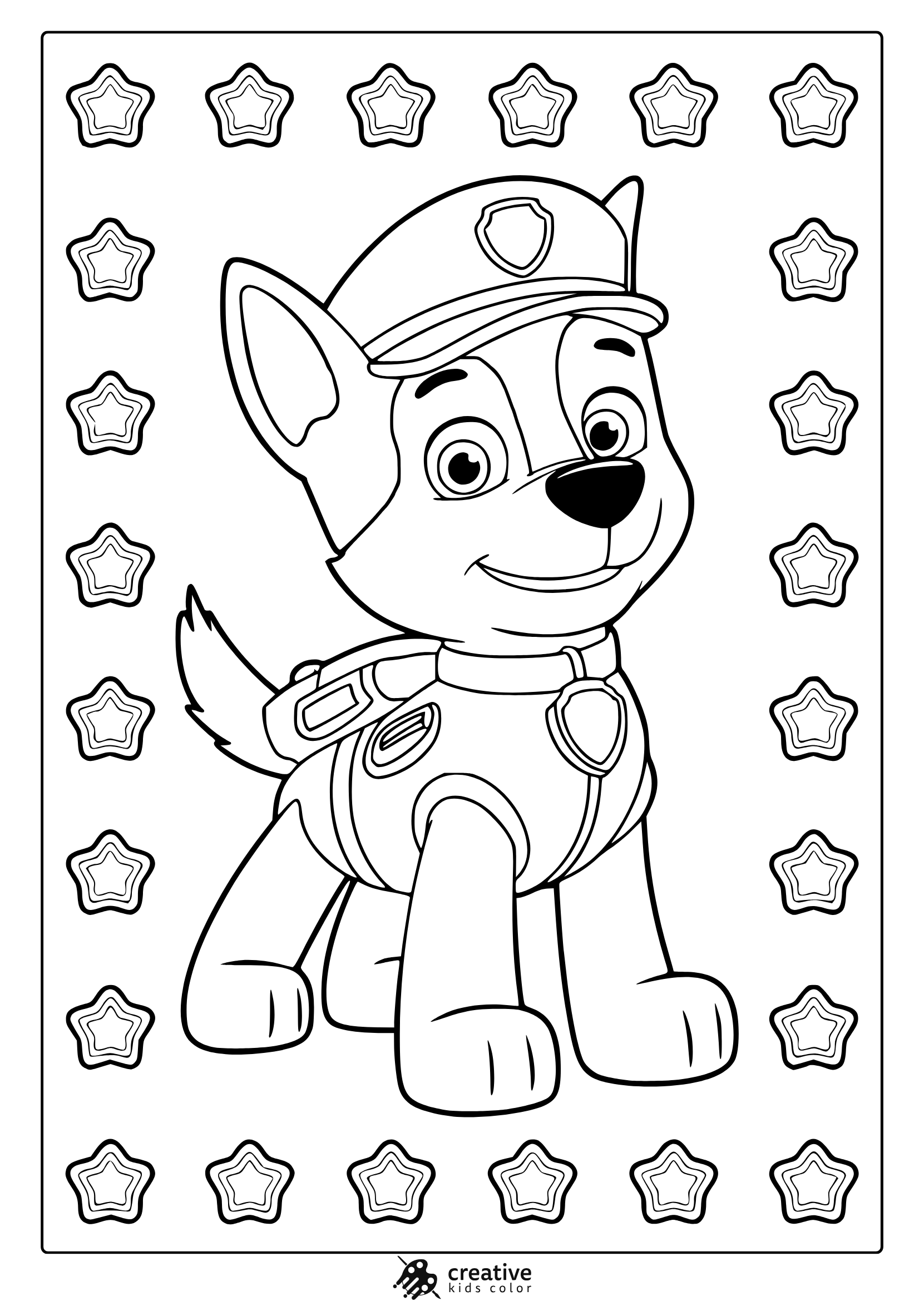
Paw Patrol Chase Coloring Page
Color Chase in his police uniform, getting ready for action!
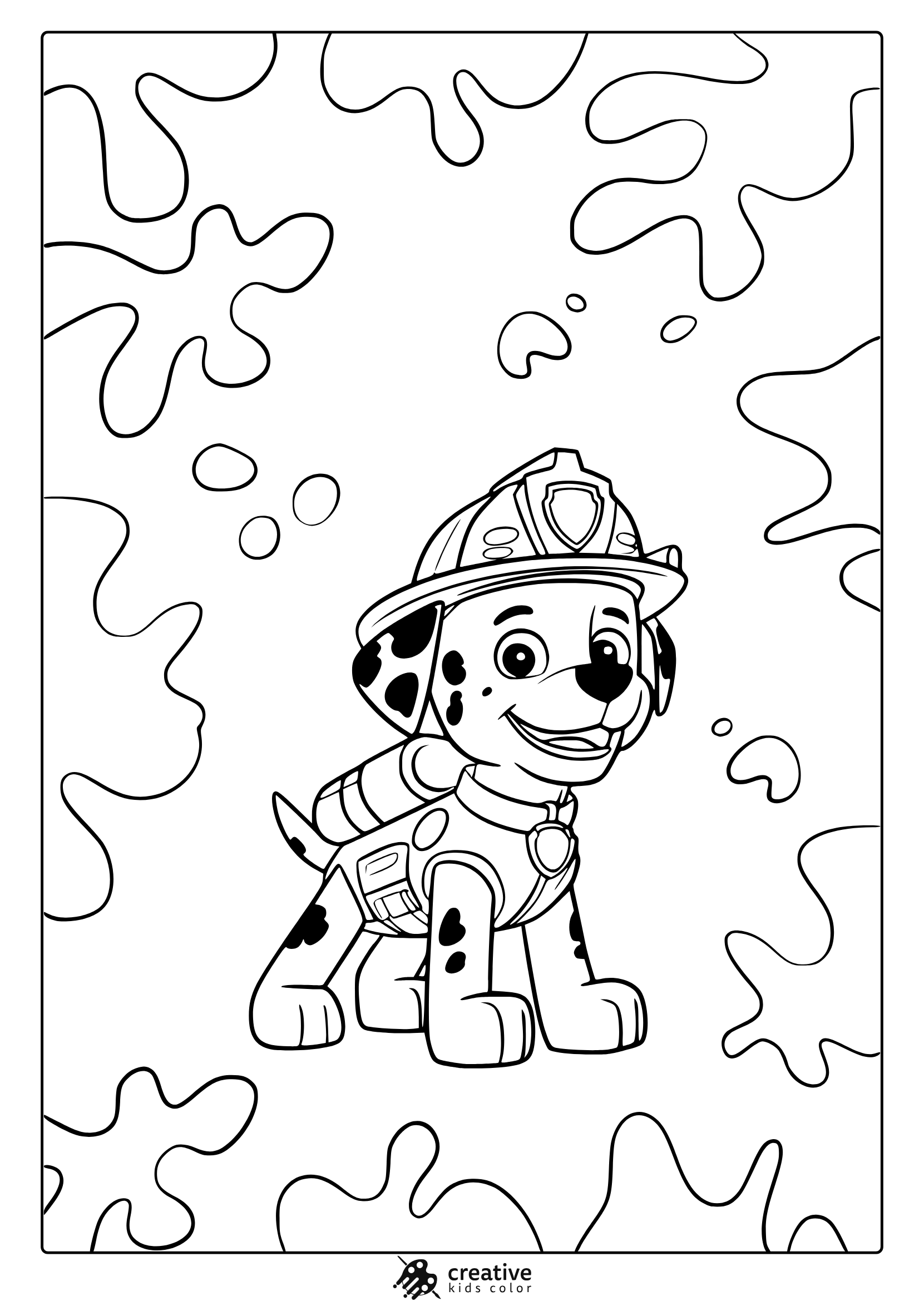
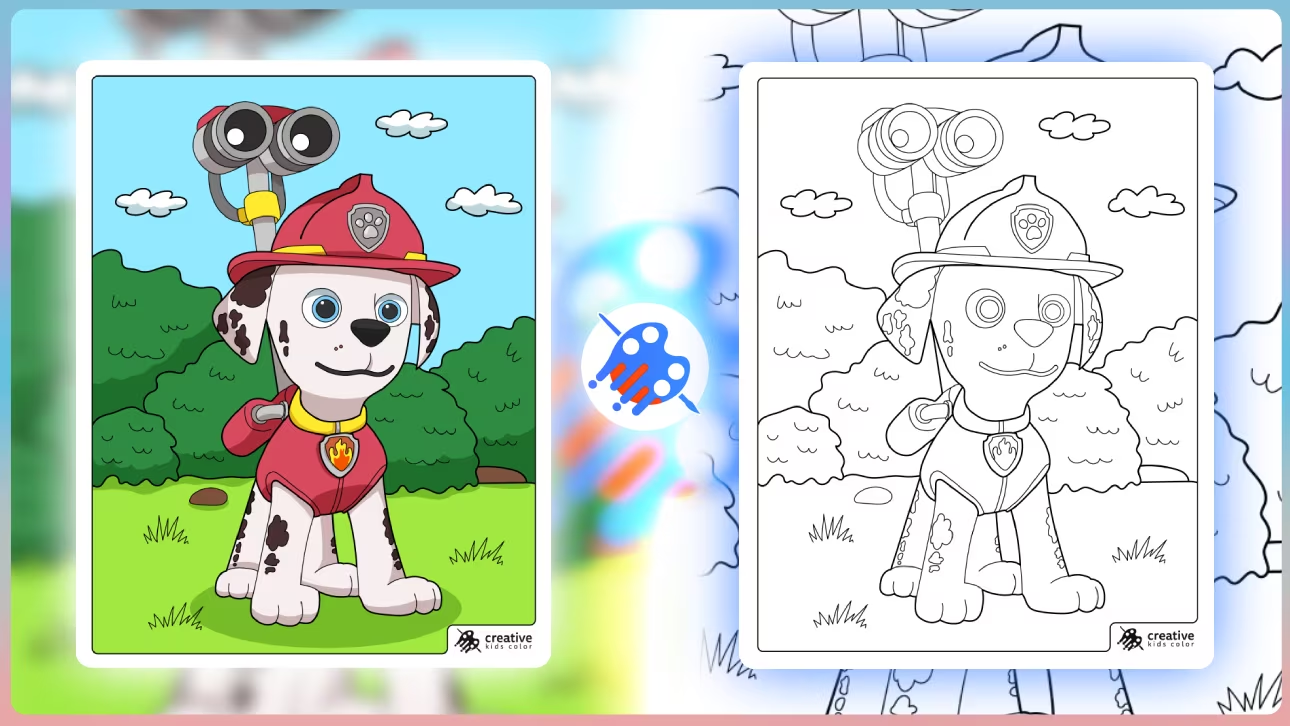
Paw Patrol Marshall Coloring Page
Adorable fire pup Marshall is waiting for you to color his colors!
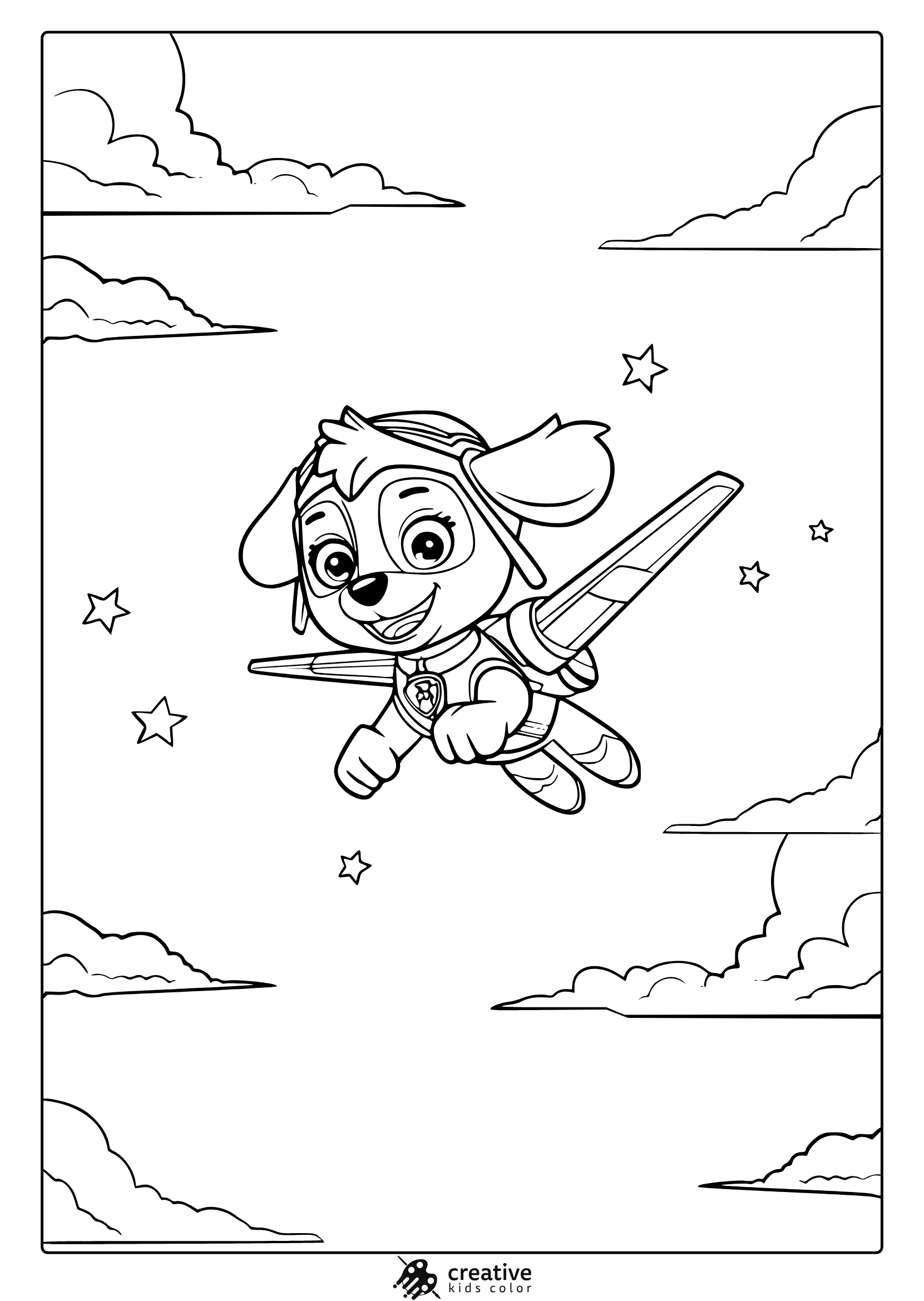
Paw Patrol Skye Coloring Page
Skye is flying happily in a starry sky full of stars and clouds.
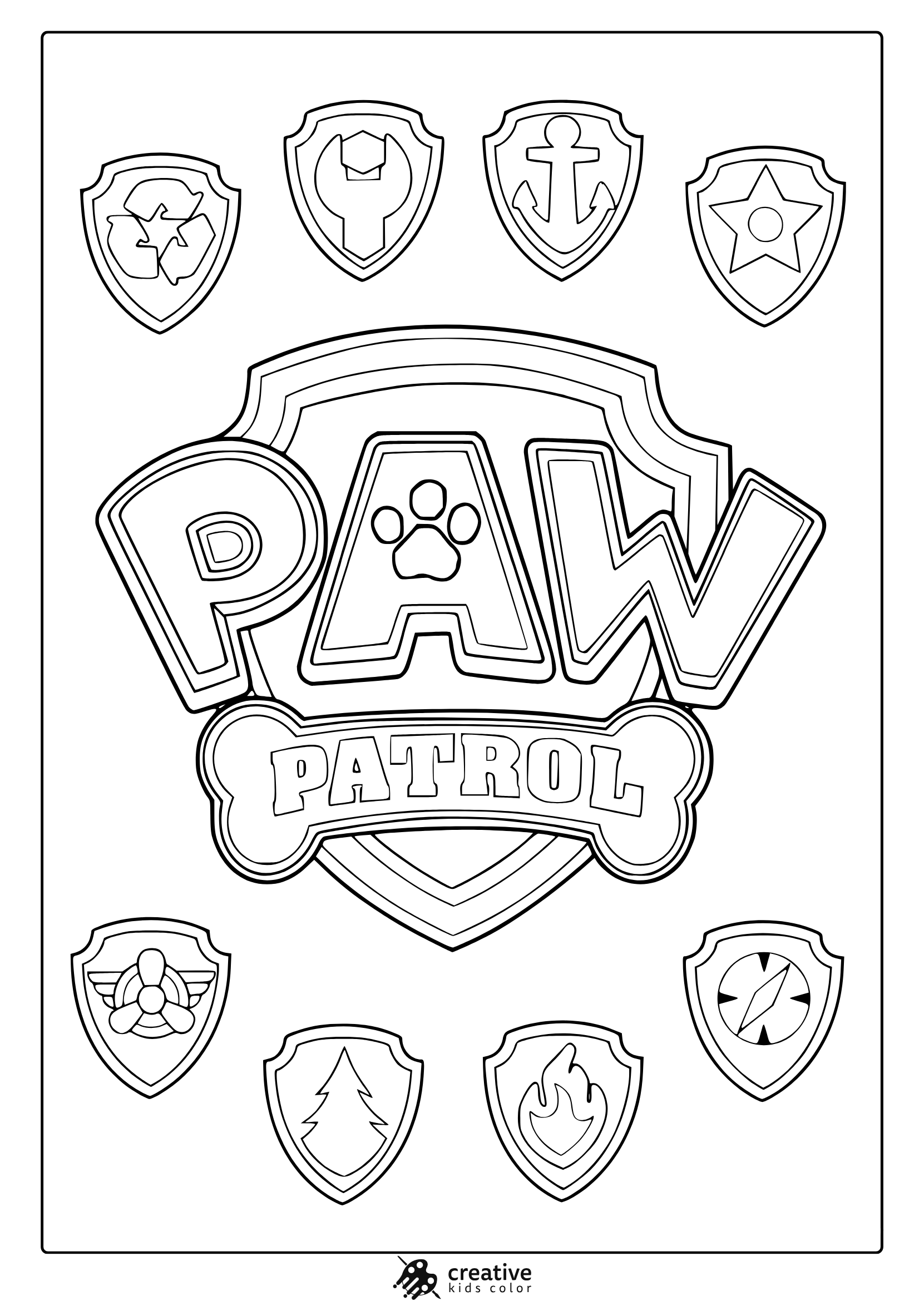
Paw Patrol Logo and Badges Coloring Page
Color the PAW Patrol logo as well as the badges with fun symbols!
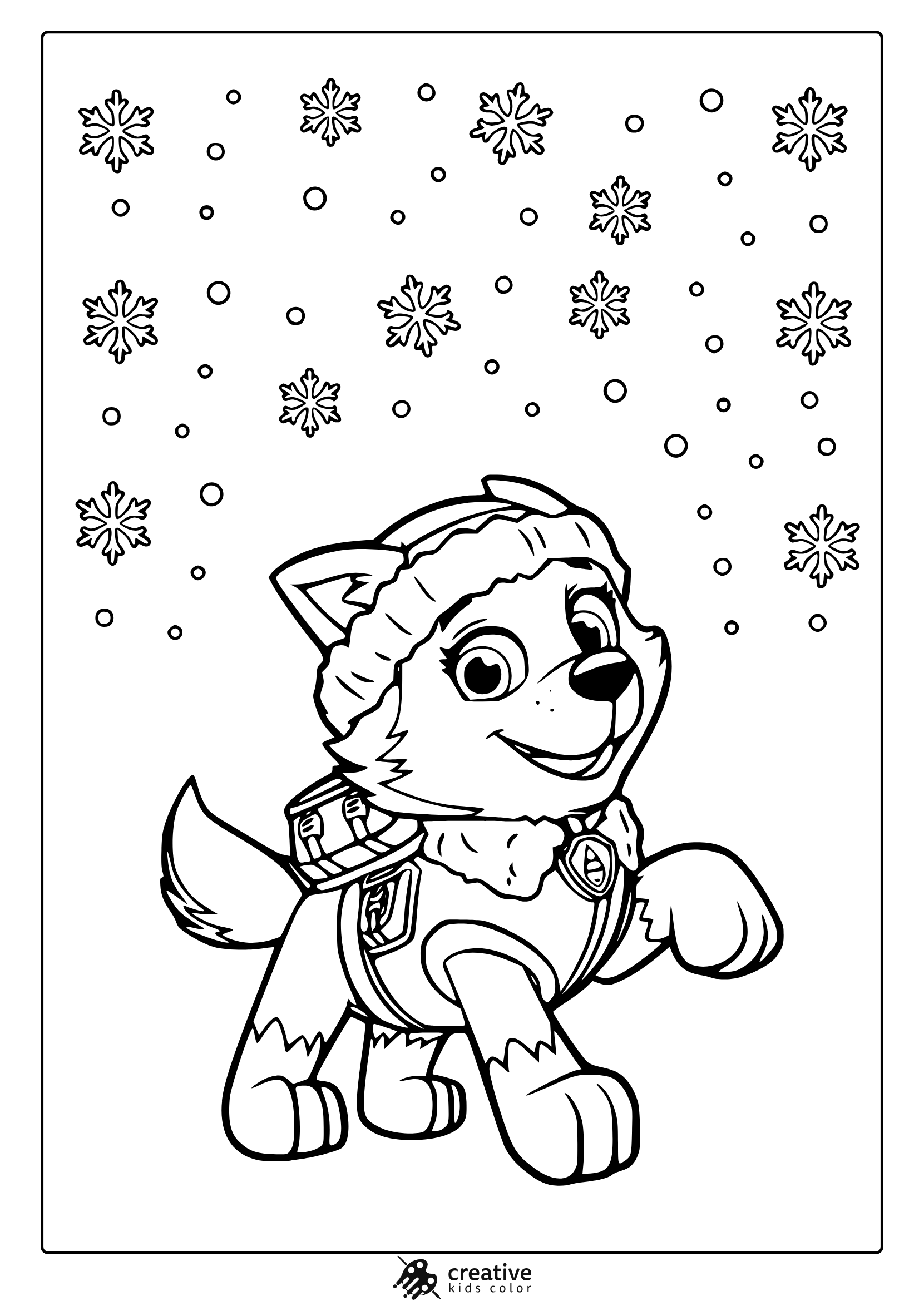
Everest From Paw Patrol Coloring Page
Everest is happily standing in a snowy landscape with lots of detail on the snowflakes coming down from the sky!
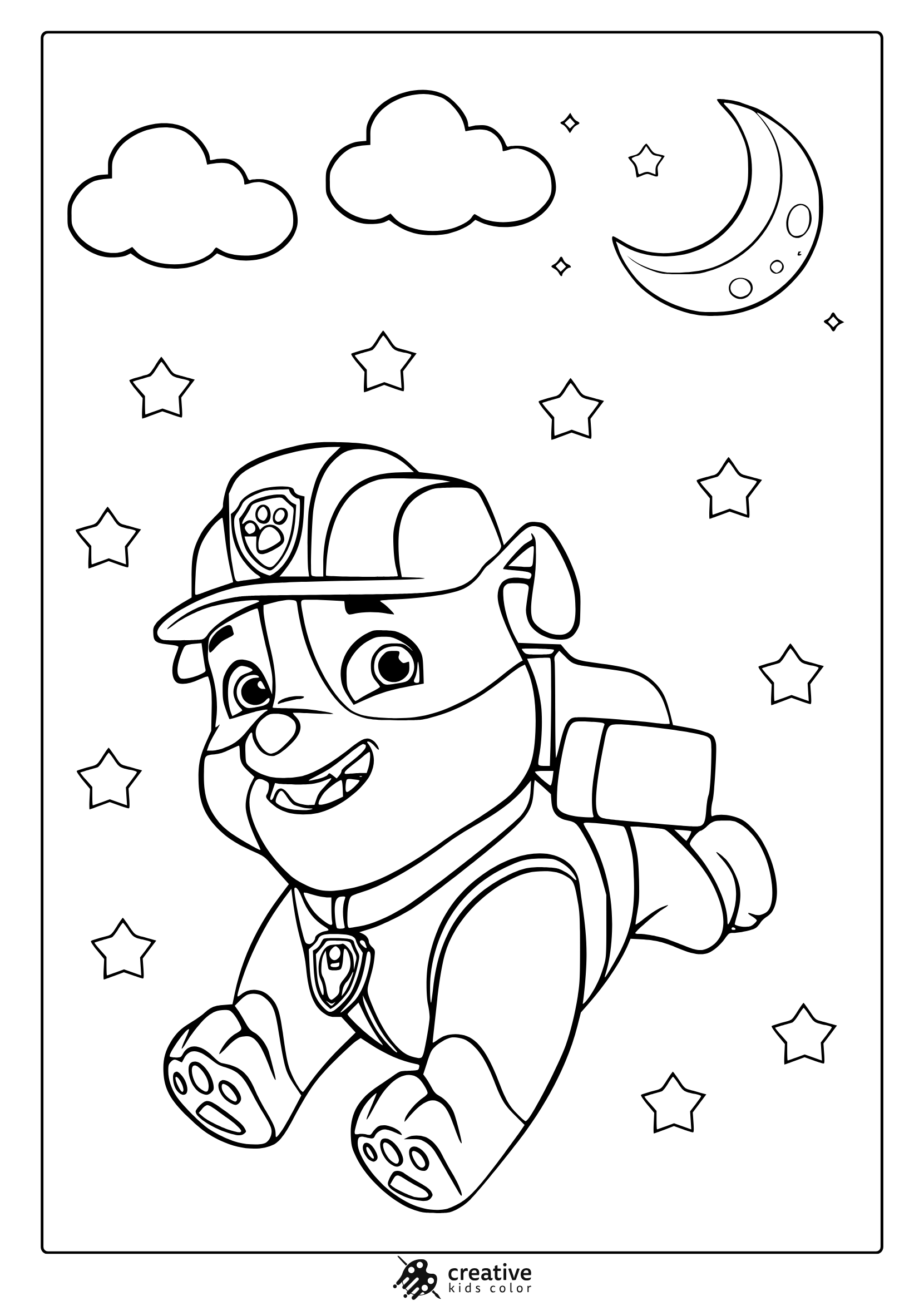
Rubble From Paw Patrol Coloring Page
Rubble is smiling for the camera in a starry night full of clouds and the crescent moon!
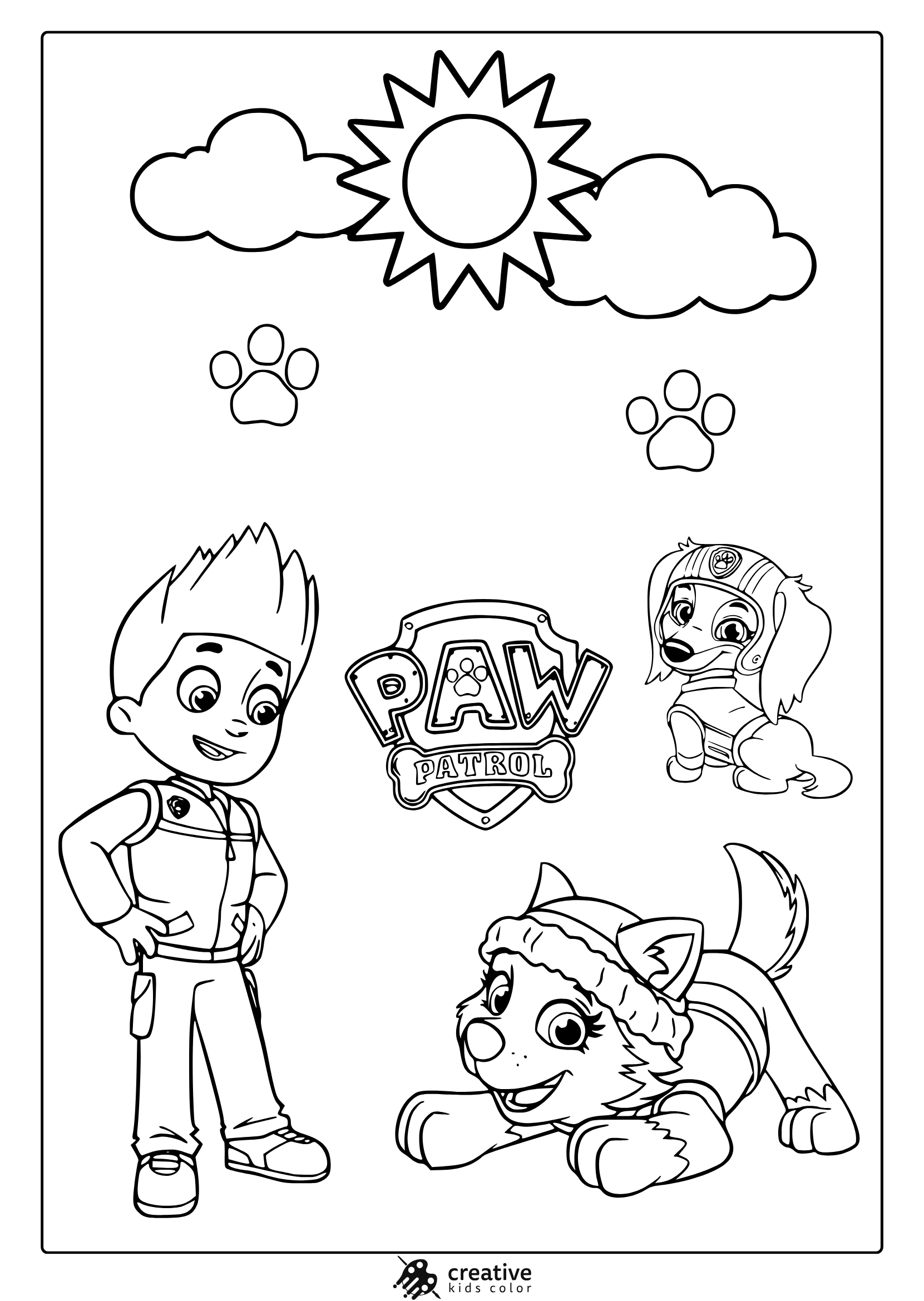
Ryder with Everest and Liberty Coloring Page
Ryder is confidently posing next to Everest and Liberty in a sunny day with paw prints!
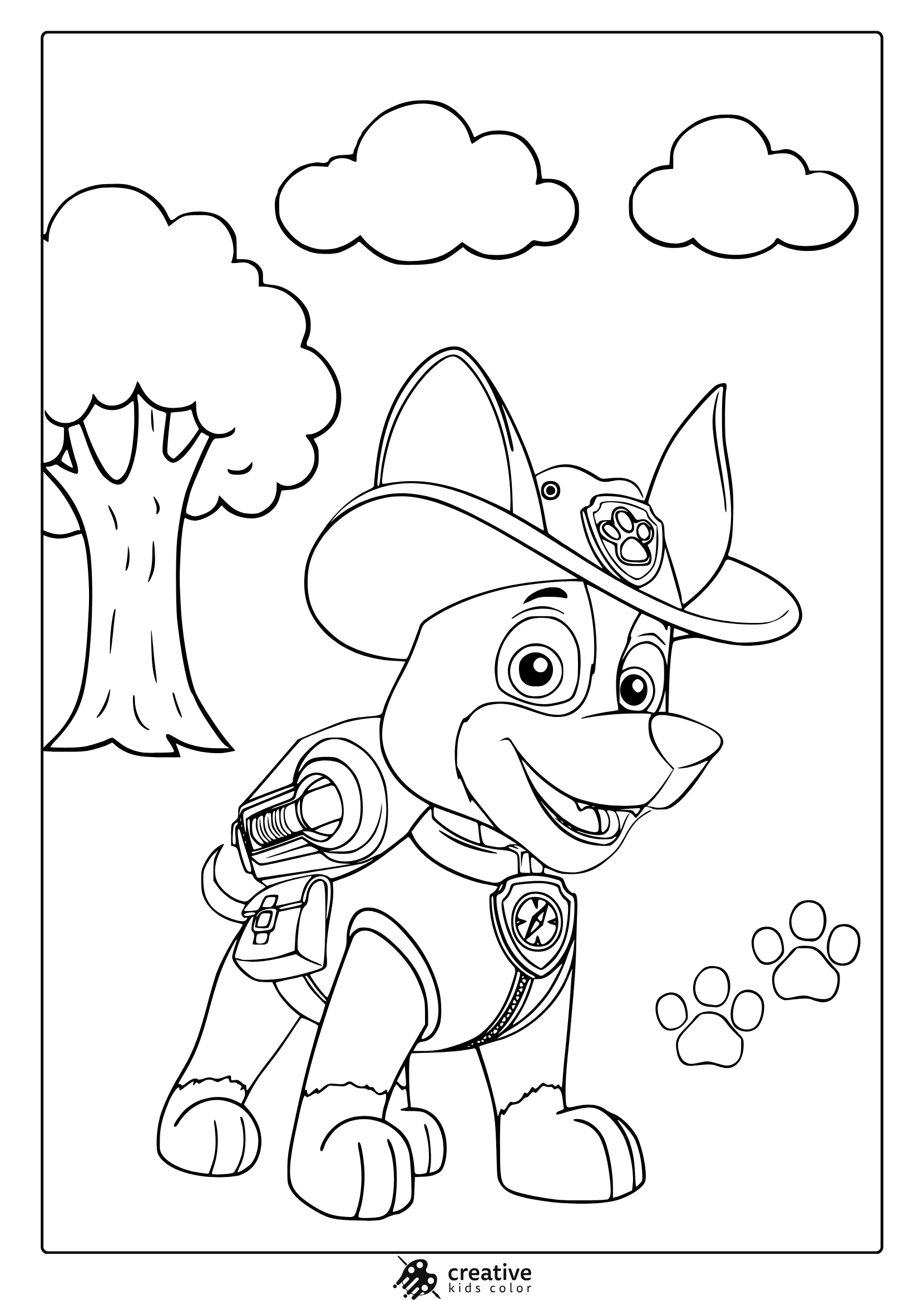
Tracker From Paw Patrol Coloring Page
Tracker is happily standing next to a large tree with fluffy clouds in the background!
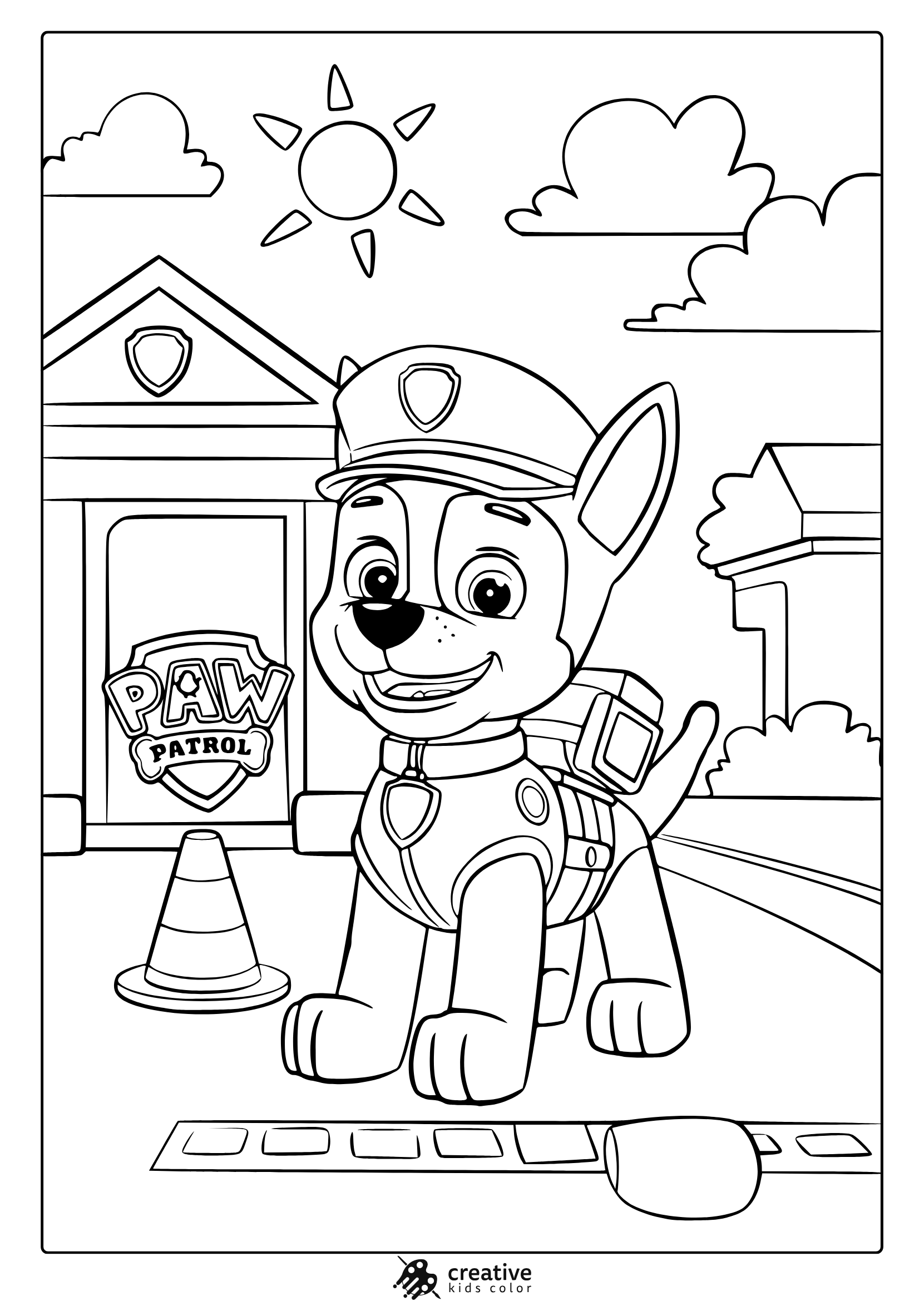
Chase From Paw Patrol Coloring Page
Chase is proudly posing in front of the PAW Patrol police station.
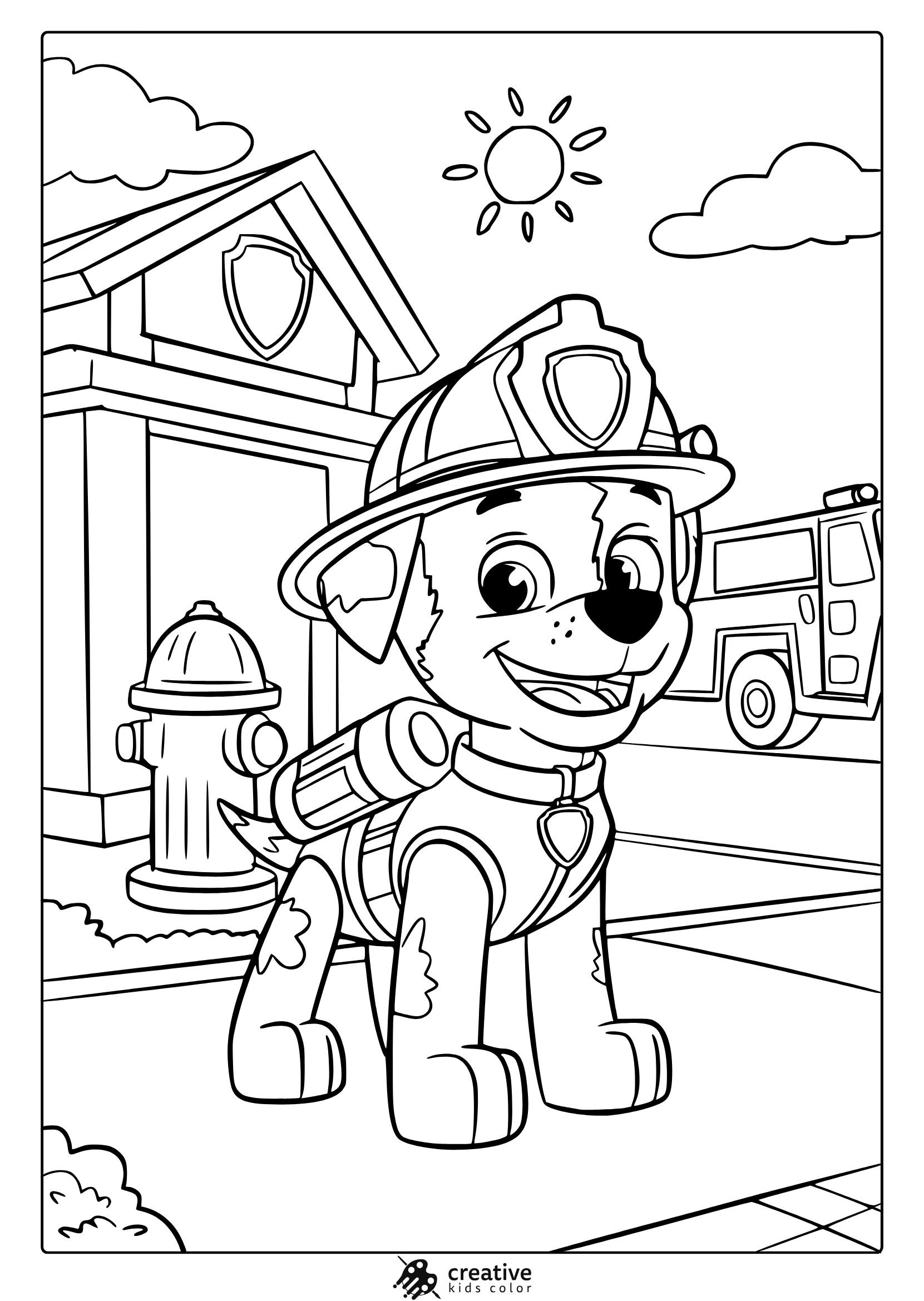
Marshall From Paw Patrol Coloring Page
Join Marshall in the fire station, getting ready for rescue!
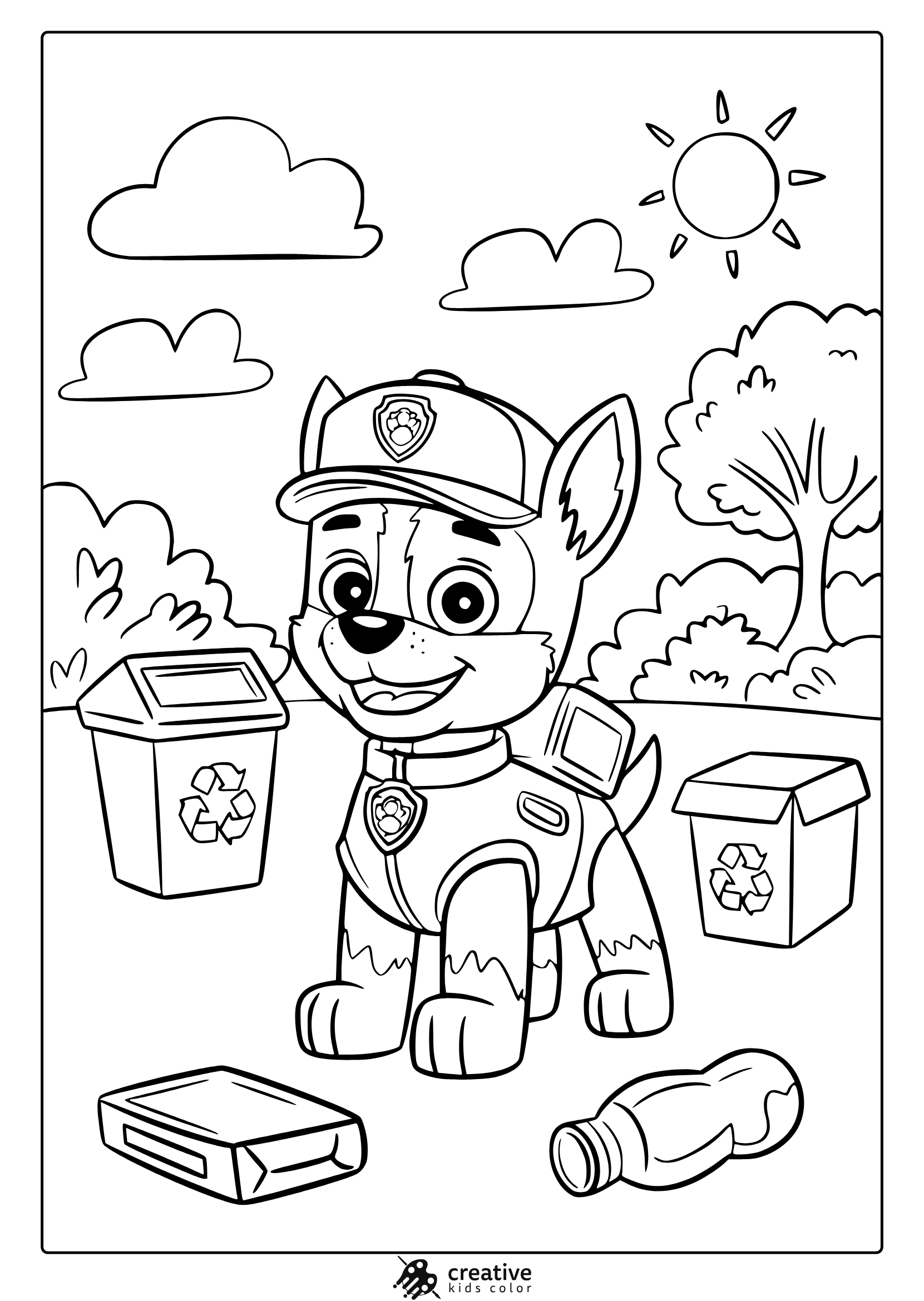
Paw Patrol Rocky Coloring Page
Rocky is getting ready for his recycling adventures in this awesome coloring design!
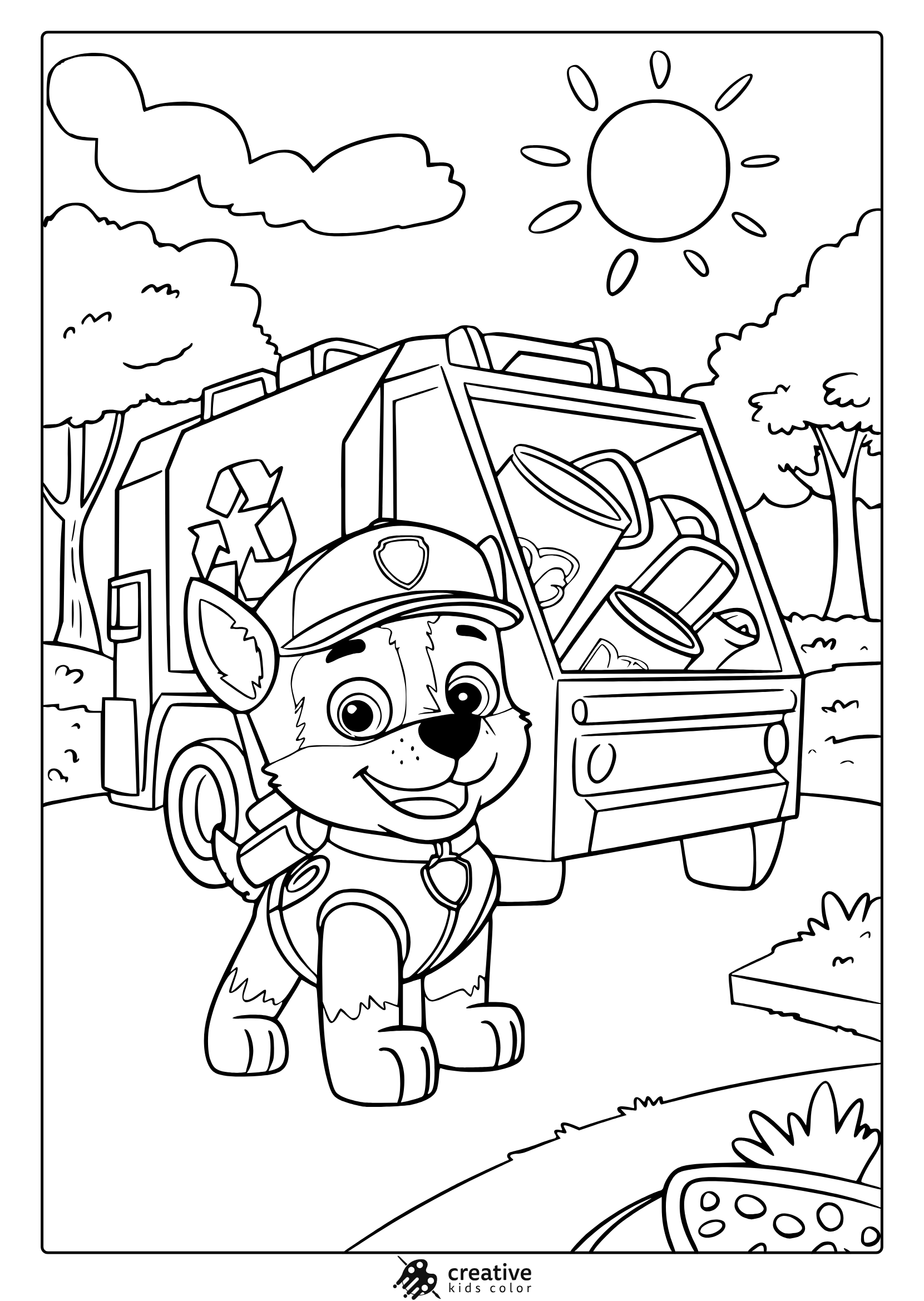
Rocky From Paw Patrol Coloring Page
Help Rocky stay clean next to his recycling truck!
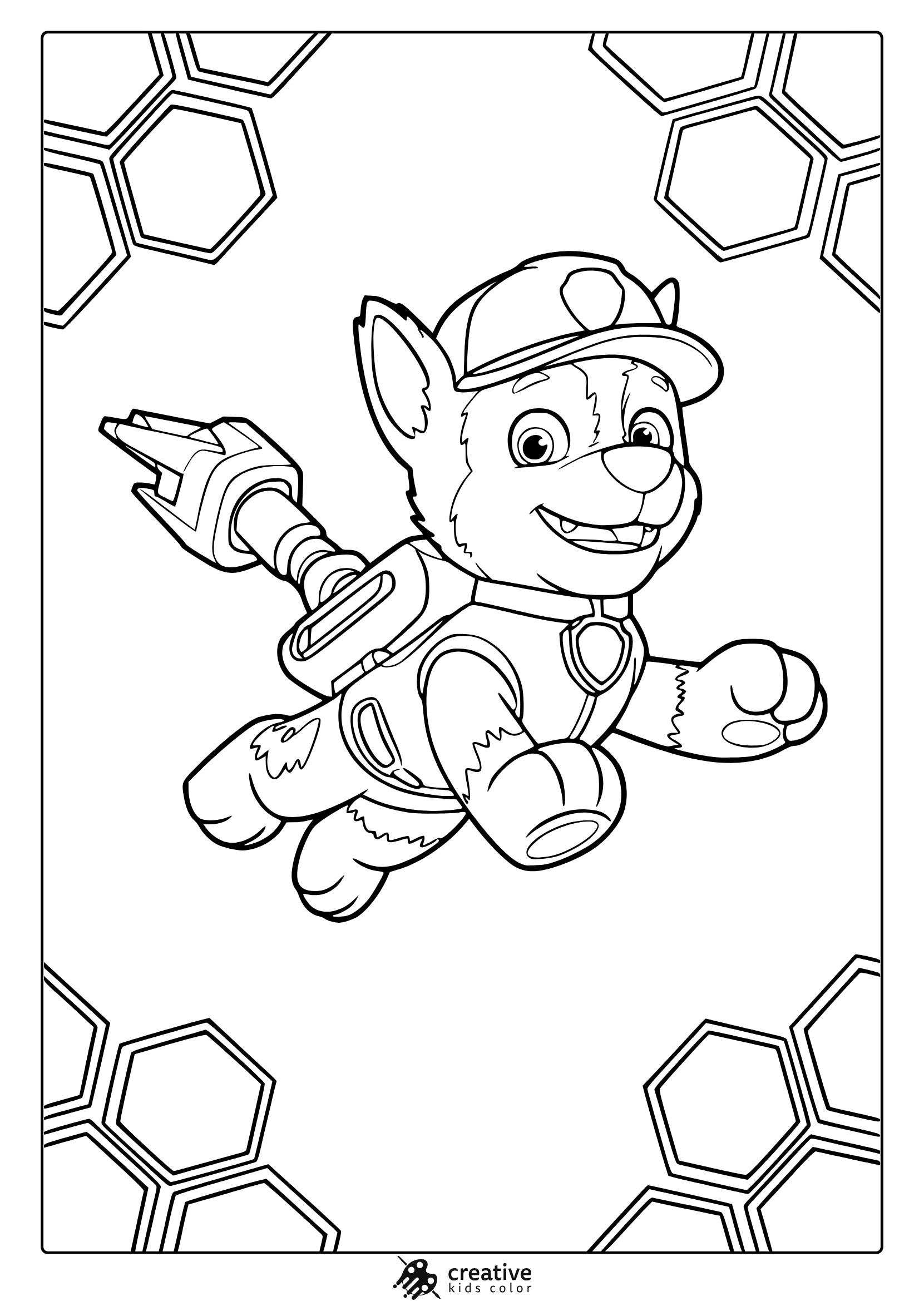
Cute Paw Patrol Character Coloring Page
Have fun coloring this cute little firefighter pup character!
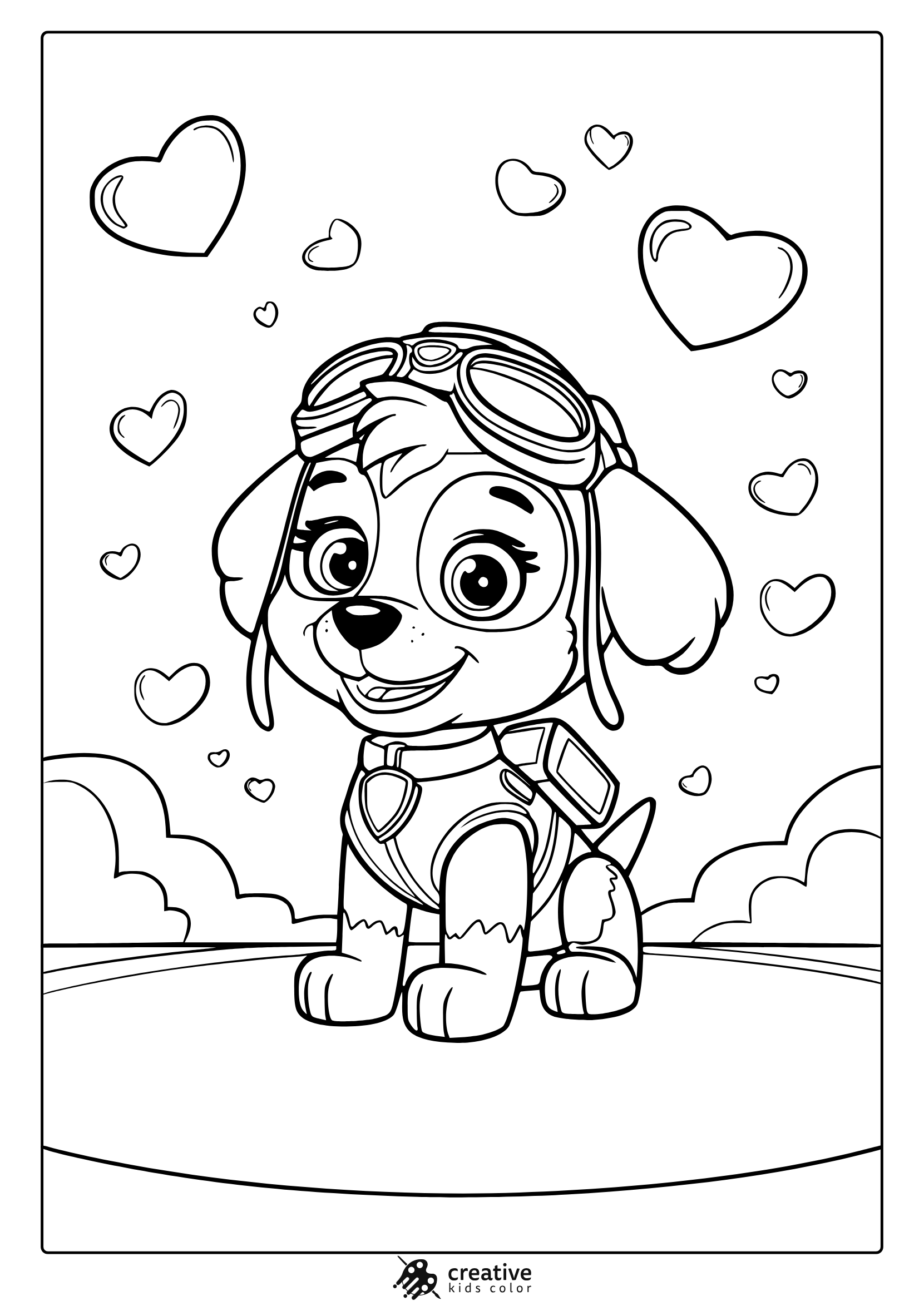
Skye From Paw Patrol Coloring Page
Skye is sweetly sitting in a heart and cloud filled landscape!
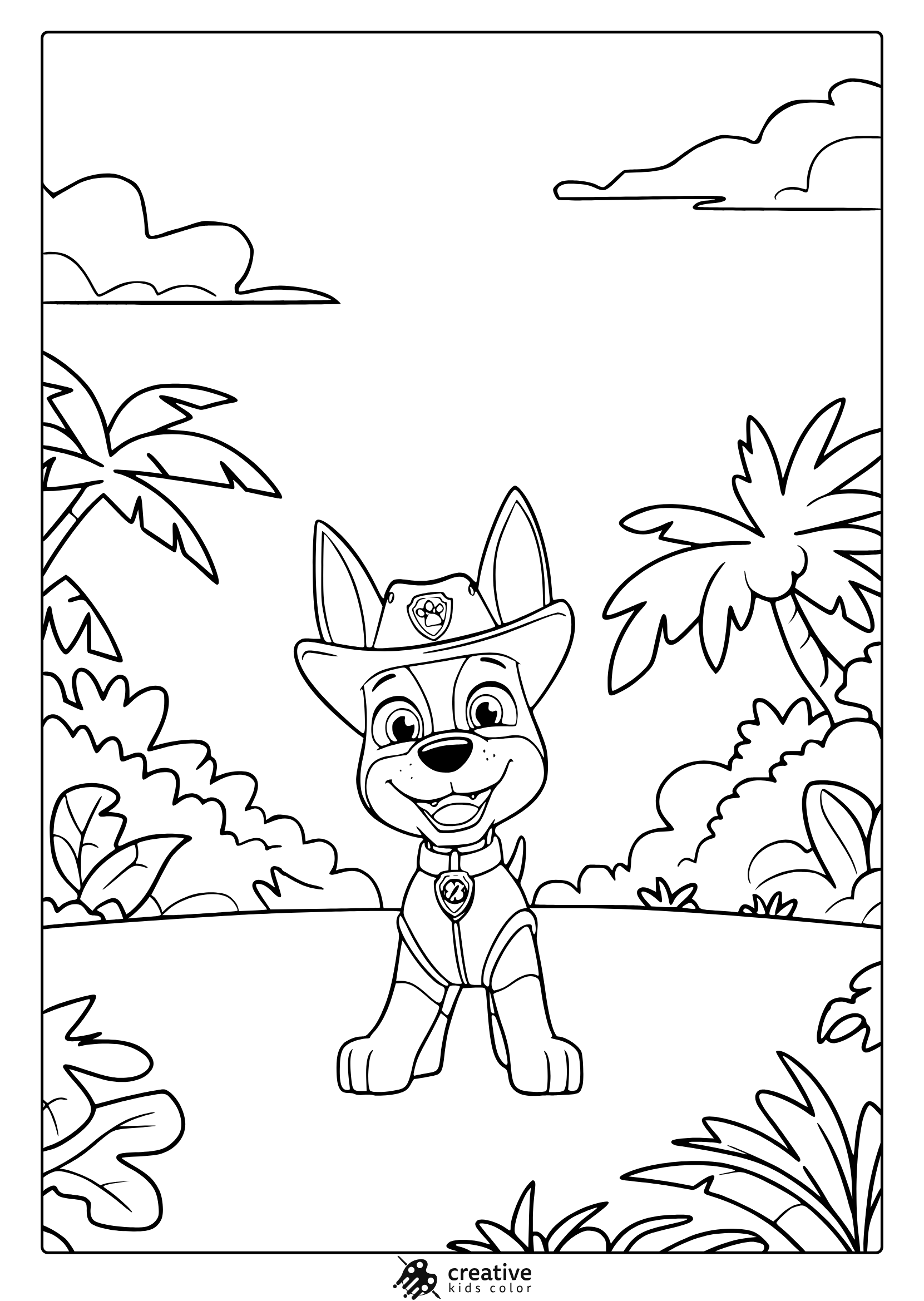
Tracker From Paw Patrol Coloring Page
Tracker is adventuring in a tropical land full of palm trees!
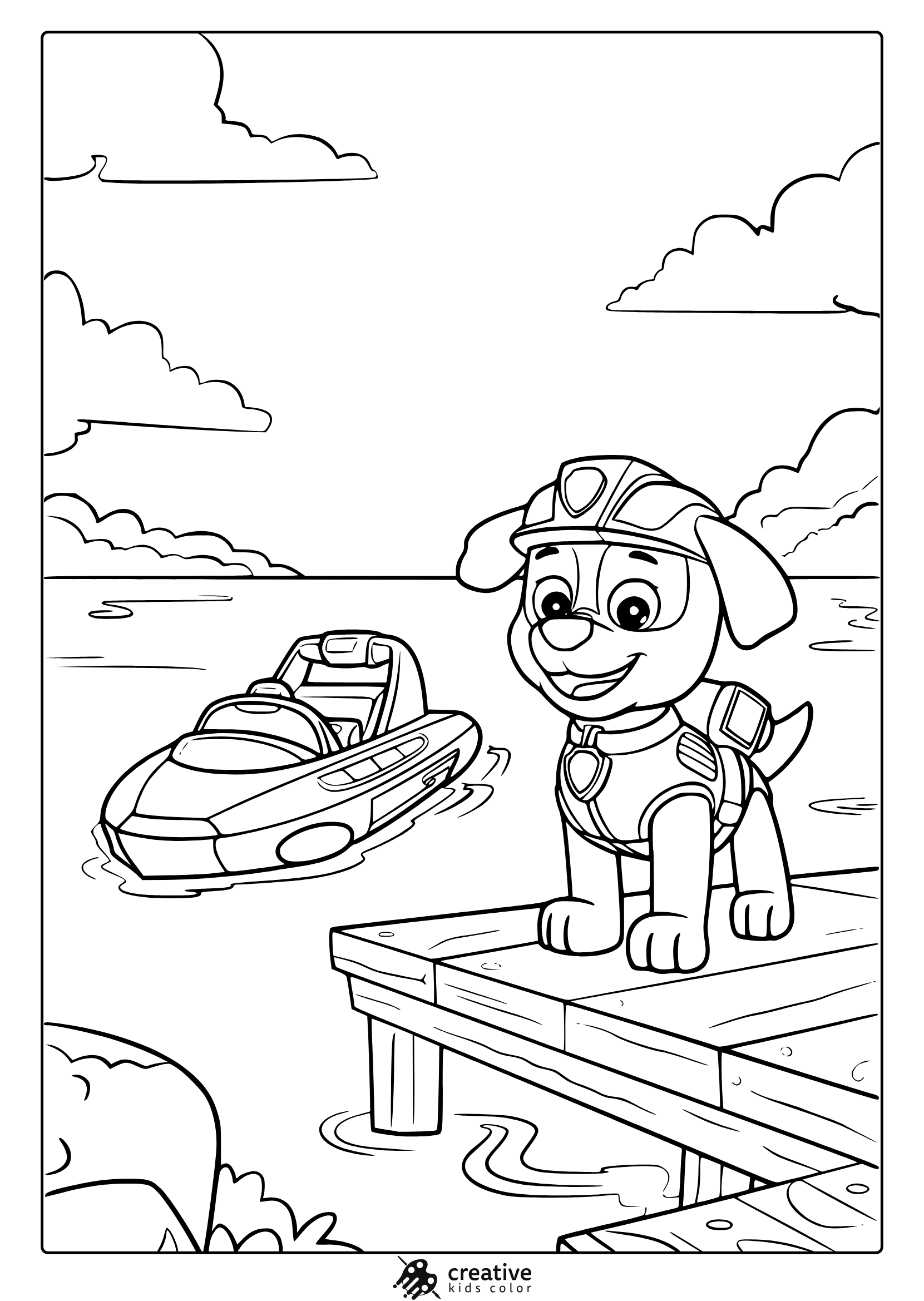
Paw Patrol Zuma Coloring Page
Zuma is eagerly waiting at the dock next to his rescue boat!
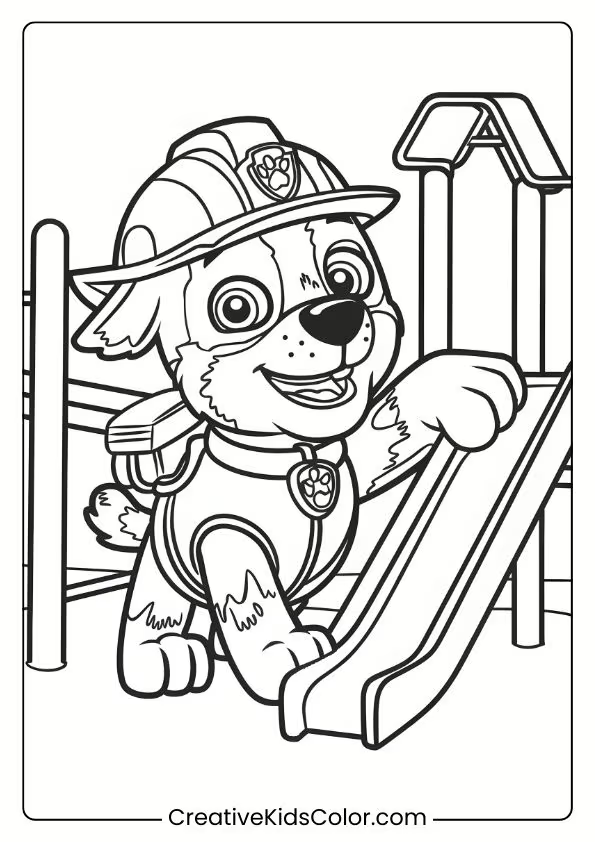
Rocky Builds a New Playground
Rocky is helping to build a brand new playground with his construction equipment!
Marshall and Rocky Build a Snow Fort
Marshall and Rocky are building a snow fort together!
Marshall’s Fire Safety Lessons
Marshall is getting ready to teach fire safety!
Chase’s High-Speed Police Chase
Chase is speedily driving in his police car with a big smile on his face!
Skye’s Cloud Adventure Takes Flight
Skye is flying in the clouds with her aviator goggles on!
Rocky with bulldozer coloring page
Rocky is proudly standing next to his large bulldozer, getting ready for work!
Rocky’s Construction Site Comes to Life
Rocky is confidently standing, getting ready for work in his bulldozer at the worksite.
Dive into Fun with Zuma Underwater
Zuma is having fun in his underwater adventure!
Adventure Awaits with the Paw Patrol Pups
The PAW Patrol pups are gathering, getting ready for an exciting mission!

Skye Soars High in Her Helicopter
Skye is flying high in the sky, smiling from her helicopter cockpit!
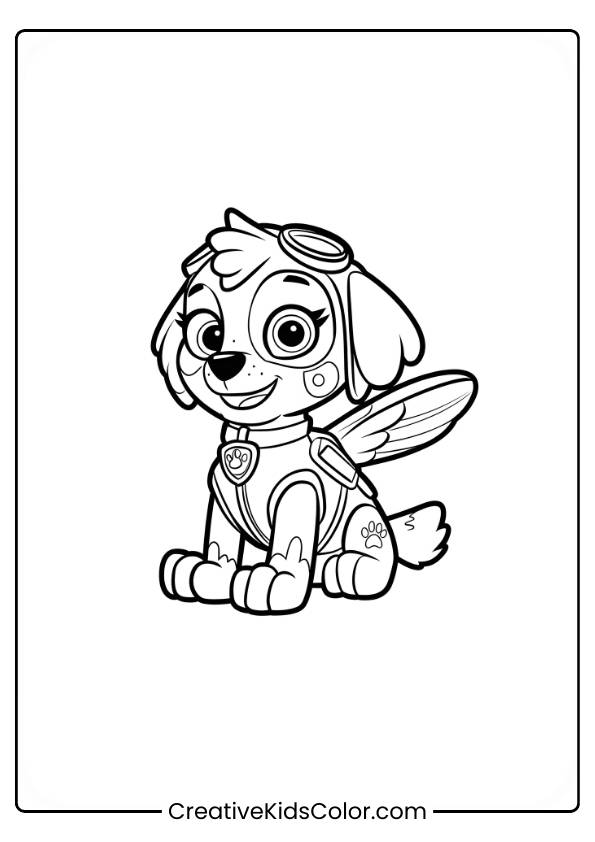
Skye Paw Patrol Coloring Page
Skye is sitting in a relaxed pose, with goggles on her head and wings on her back!
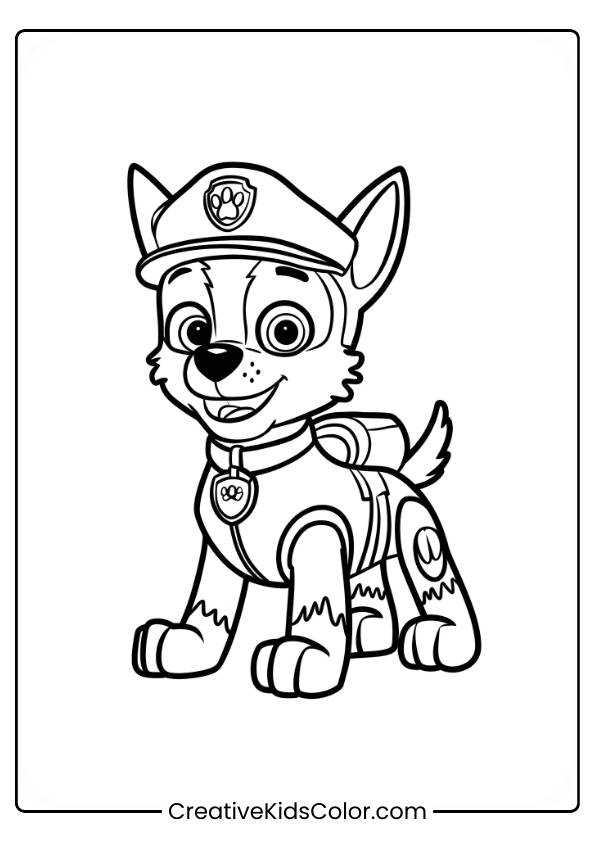
Chase Paw Patrol Coloring Page
Chase is standing on all fours in his cap and police uniform!
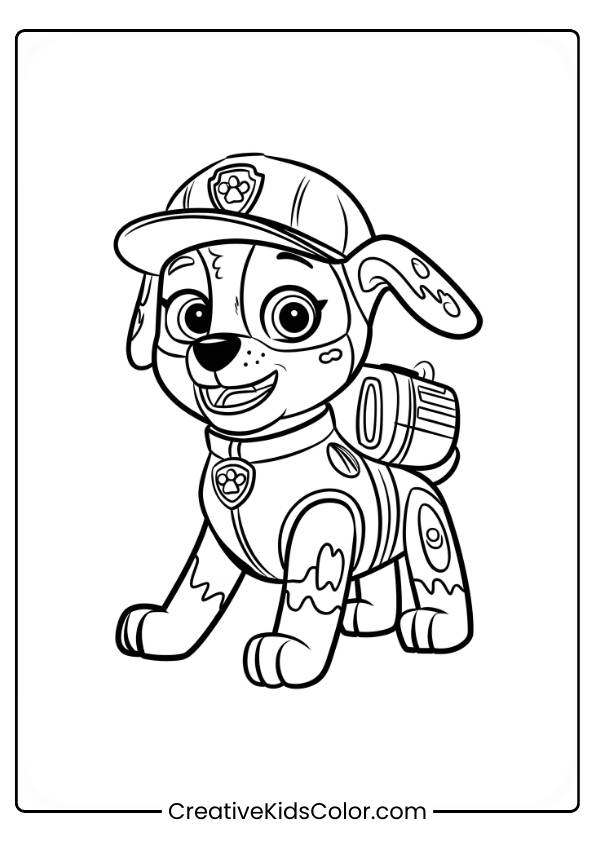
Marshall Paw Patrol Coloring Page
Marshall is standing, proudly wearing his backpack, getting ready for action!
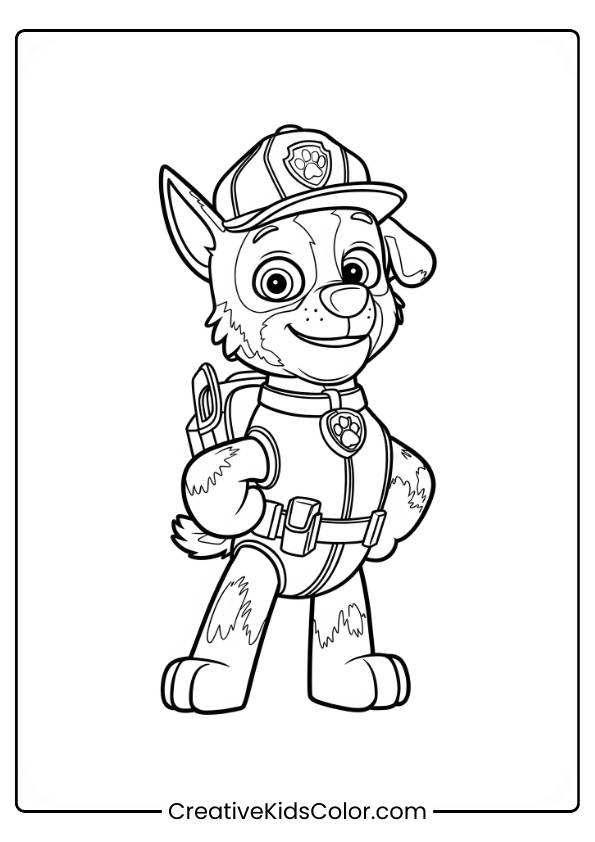
Rocky Paw Patrol Coloring Page
Rocky is standing confidently, holding tools in his hands, wearing a cap and utility belt!
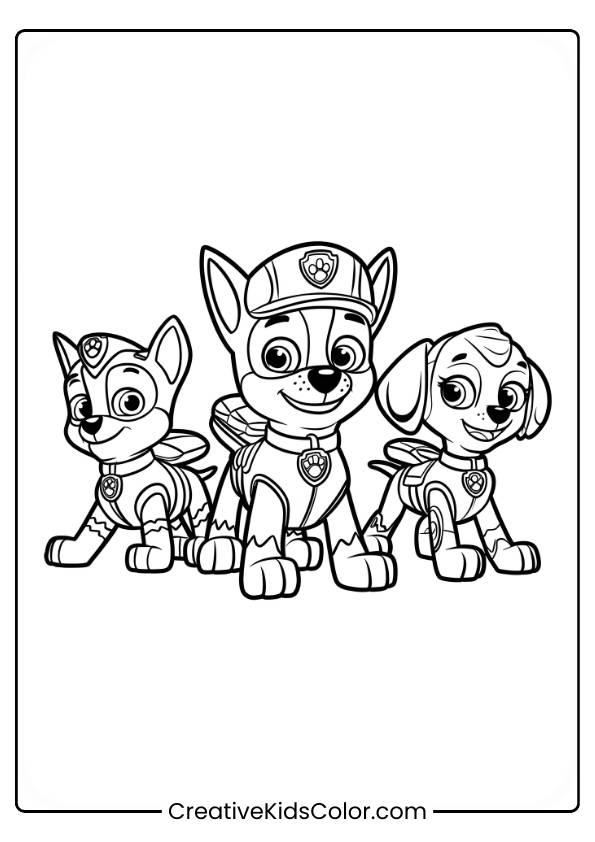
Paw Patrol Mighty Pups Coloring Page
Three Mighty Pups are standing side by side in their uniforms and badges!
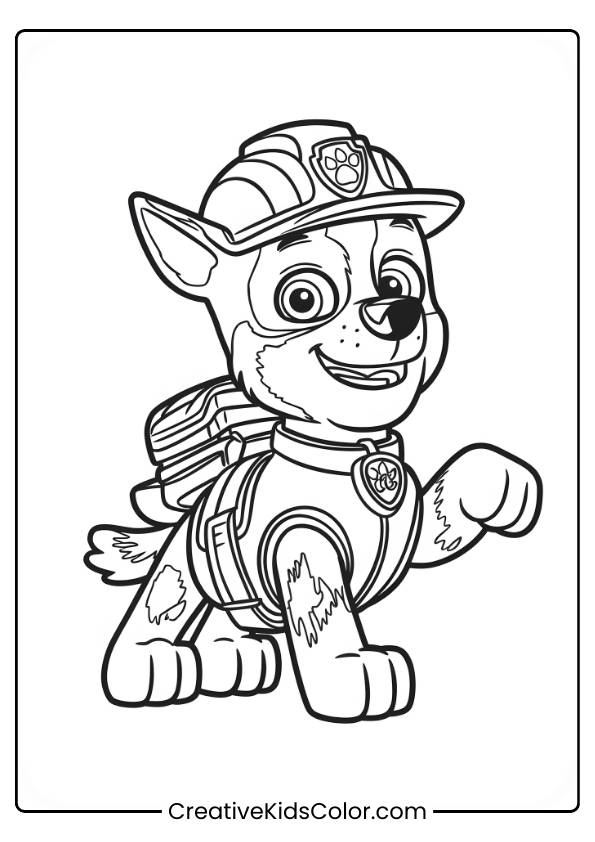
Rocky Paw Patrol Coloring Page
Rocky is raising his paw, wearing his construction helmet and vest!
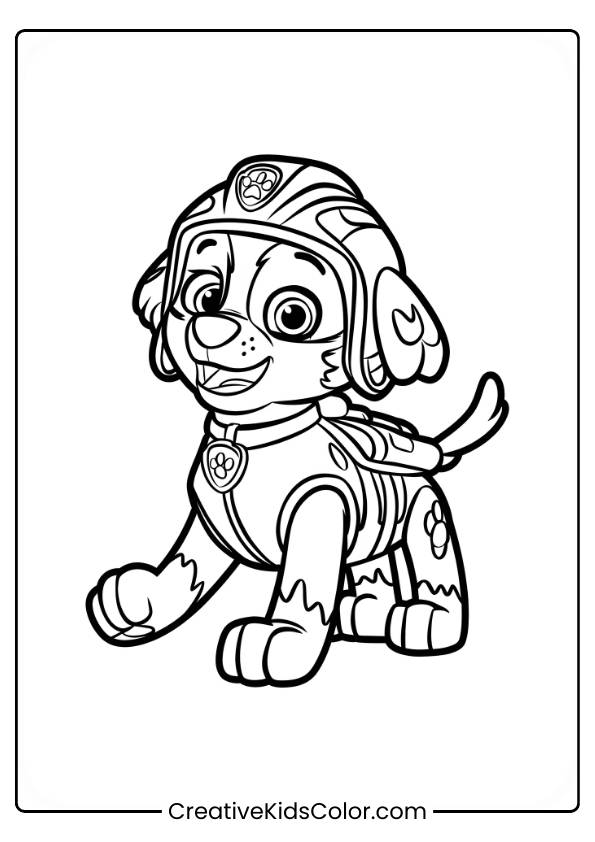
Zuma Paw Patrol Coloring Page
Zuma is running playfully forward, wearing his helmet and badge!

Paw Patrol Christmas Coloring Page
Three PAW Patrol pups in festive outfits are standing next to a Christmas tree!
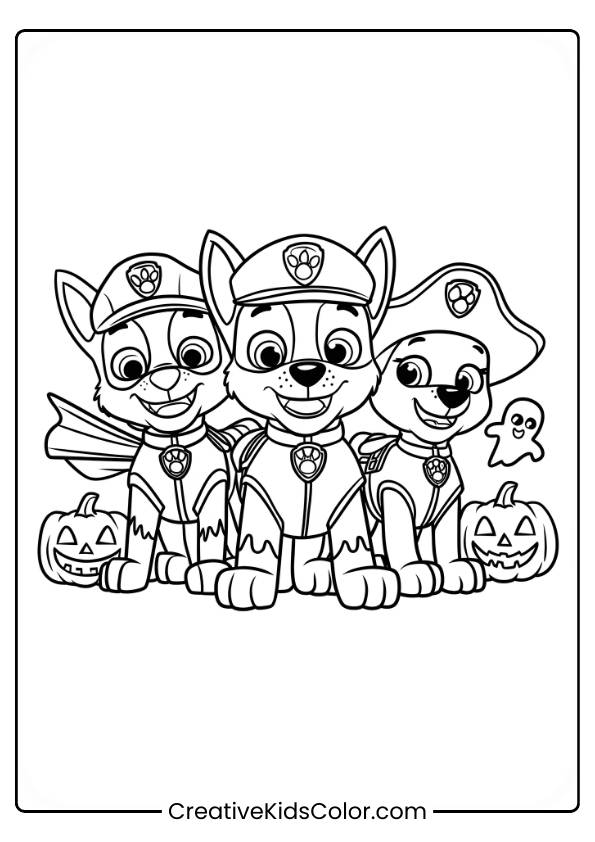
Paw Patrol Halloween Coloring Page
Three PAW Patrol pups are wearing Halloween costumes and are standing amongst pumpkins!
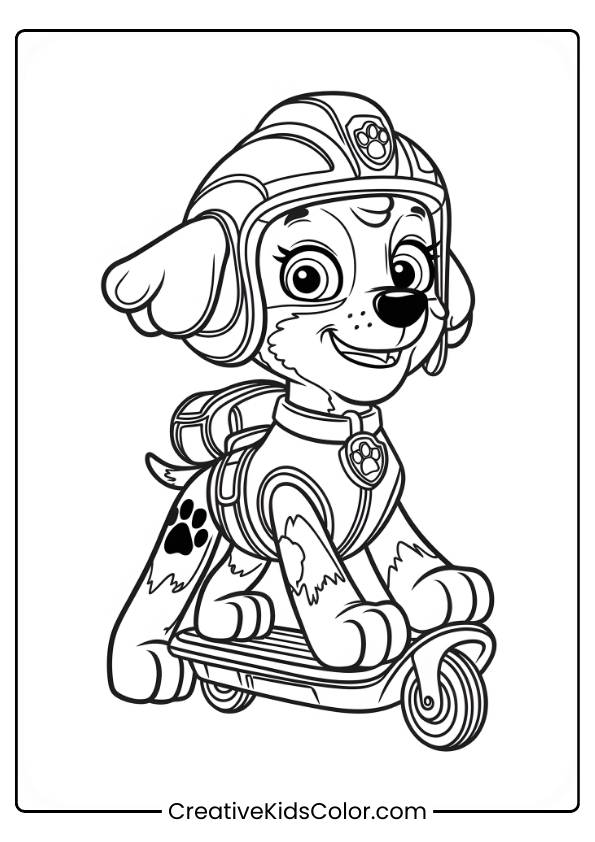
Marshall rides a skateboard coloring page
Marshall is riding his skateboard, wearing his helmet and backpack!
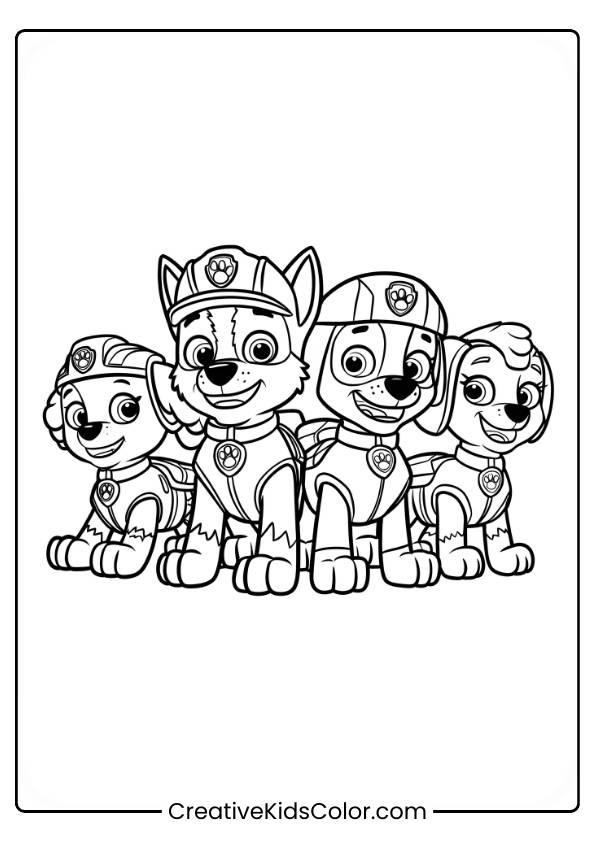
Paw Patrol Movie Coloring Page
Four PAW Patrol pups are standing side by side in their uniforms and badges!
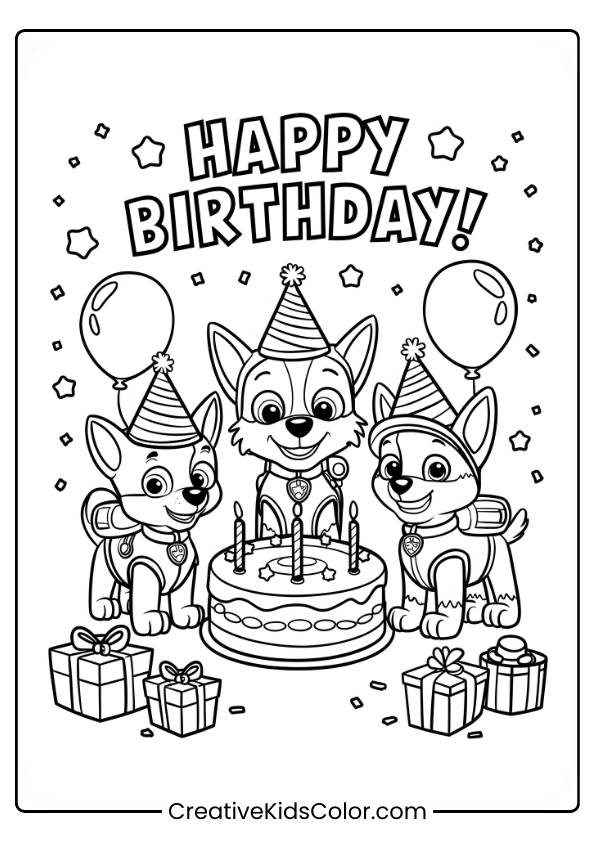
Paw Patrol Birthday Coloring Page
Three PAW Patrol pups in party hats are celebrating next to a birthday cake and balloons!
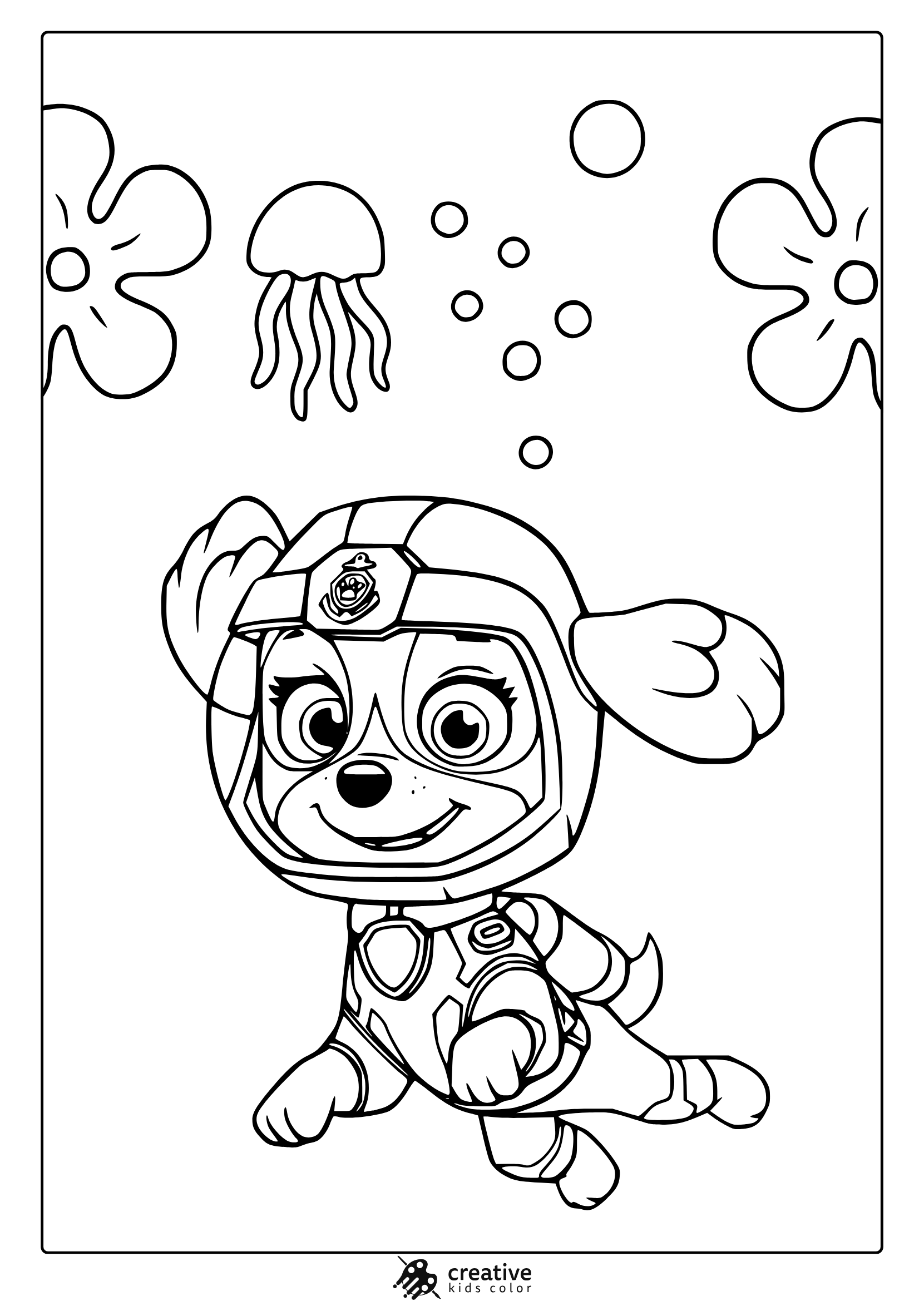
Coral From Paw Patrol Coloring Page
Coral is floating in the sea with a jellyfish, bubbles and sea flowers around her!

Marshall the Fire Pup Coloring Page
Brave Marshall is getting ready to rescue someone in a sunny park!
The pups of PAW Patrol are always ready for their next job, and this collection is only getting started! We’ll be adding new Paw Patrol printable coloring pages with new pups, vehicles, and rescue missions. Let us know in the comments what kind of mission you want the pups to take on next, and then share this post with another PAW Patrol lover and bring them along for the fun!