
Pokemon Coloring Pages
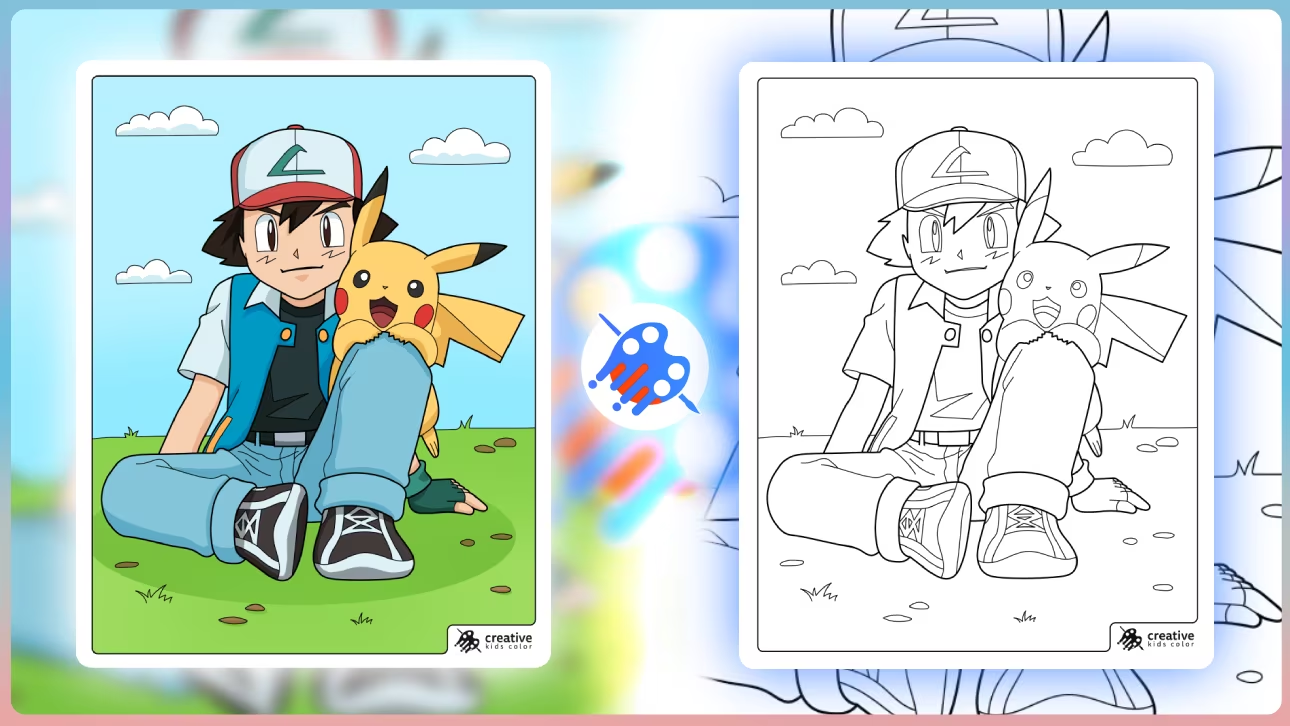
Keep an eye on your crayons as more than 60 Pokemon coloring pages have invaded this very page, and Team Rocket is sure to follow! Pikachu has brought the sparks, Charmander has brought the fire, and Snorlax has already found a comfortable place to rest.
From starter Pokemon and legendary Pokemon to trainers and Poké Balls, you will find plenty to explore. Ash, Eevee, Charizard, Gengar, Mew, Mewtwo, Lucario, Greninja, and so many more are all waiting to battle, adventure through the forest, dive through the sea, enjoy holidays, and so much more! Some of them are simple enough to color with ease, while others contain just enough detail to keep even the most patient trainers entertained!
Be sure to check out the gallery below and select all of your favorite pages. Then click on the image itself or the PDF button below it to open the page. You can download and print as many as you want! Each and every Pokemon coloring page is available as a free printable PDF in US Letter size and is formatted to print properly on A4 paper as well.
Free Printable Pokemon Coloring Pages
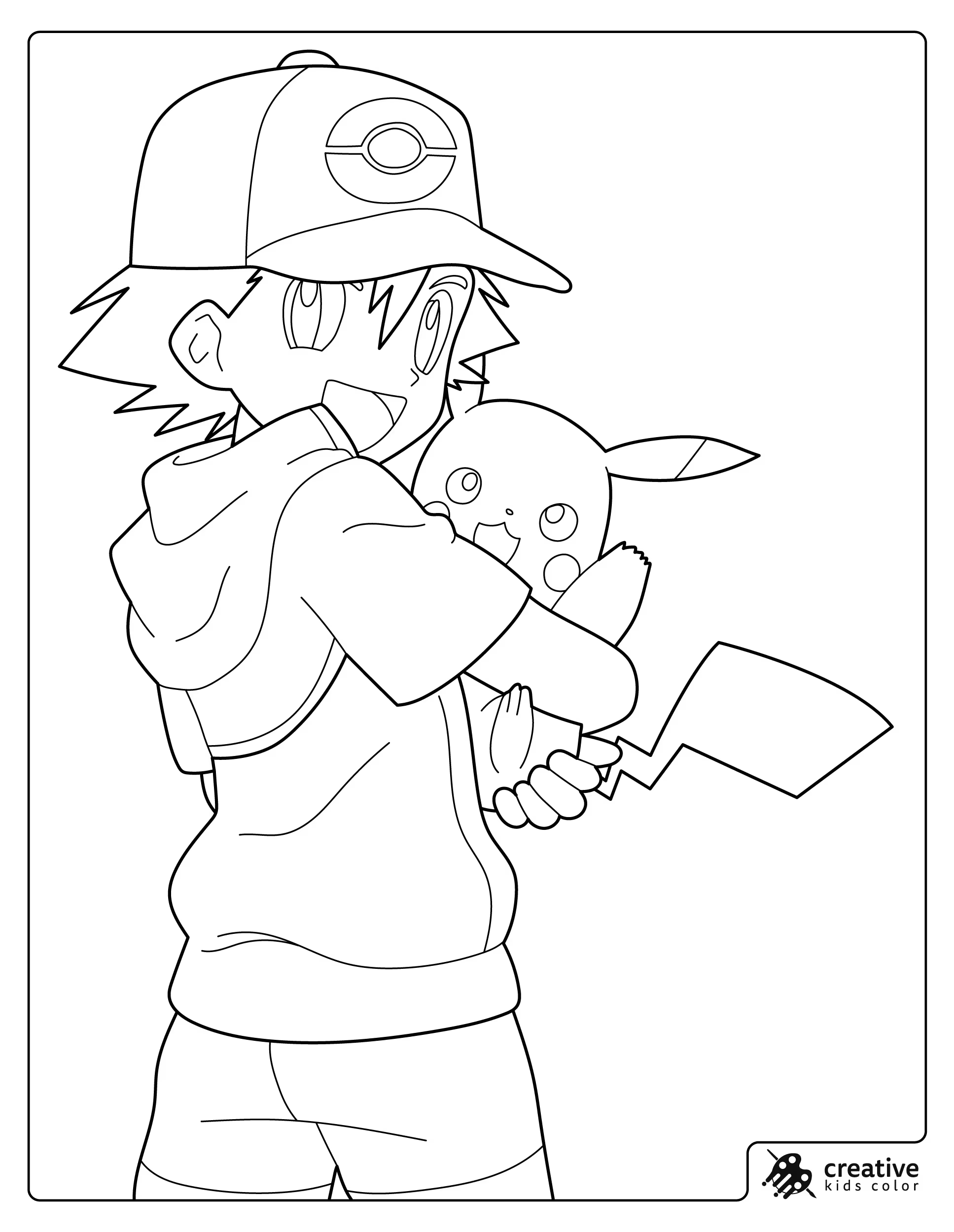
Pokemon Ash and Pikachu Walking Together
Ash walks happily with Pikachu tightly in his arms.
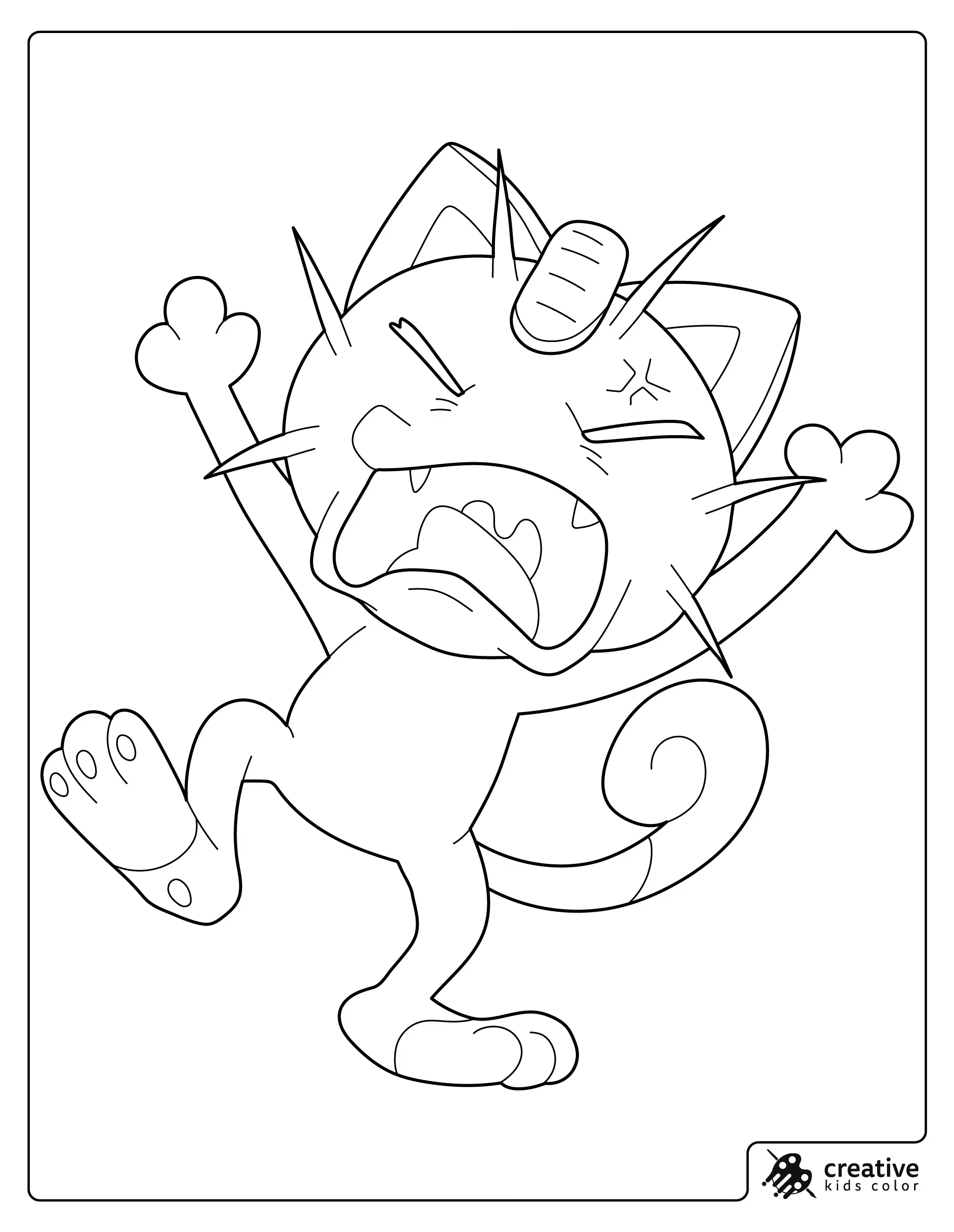
Pokemon Meowth Shouting Loudly
Meowth lifts up his two arms and shouts with his mouth wide open.
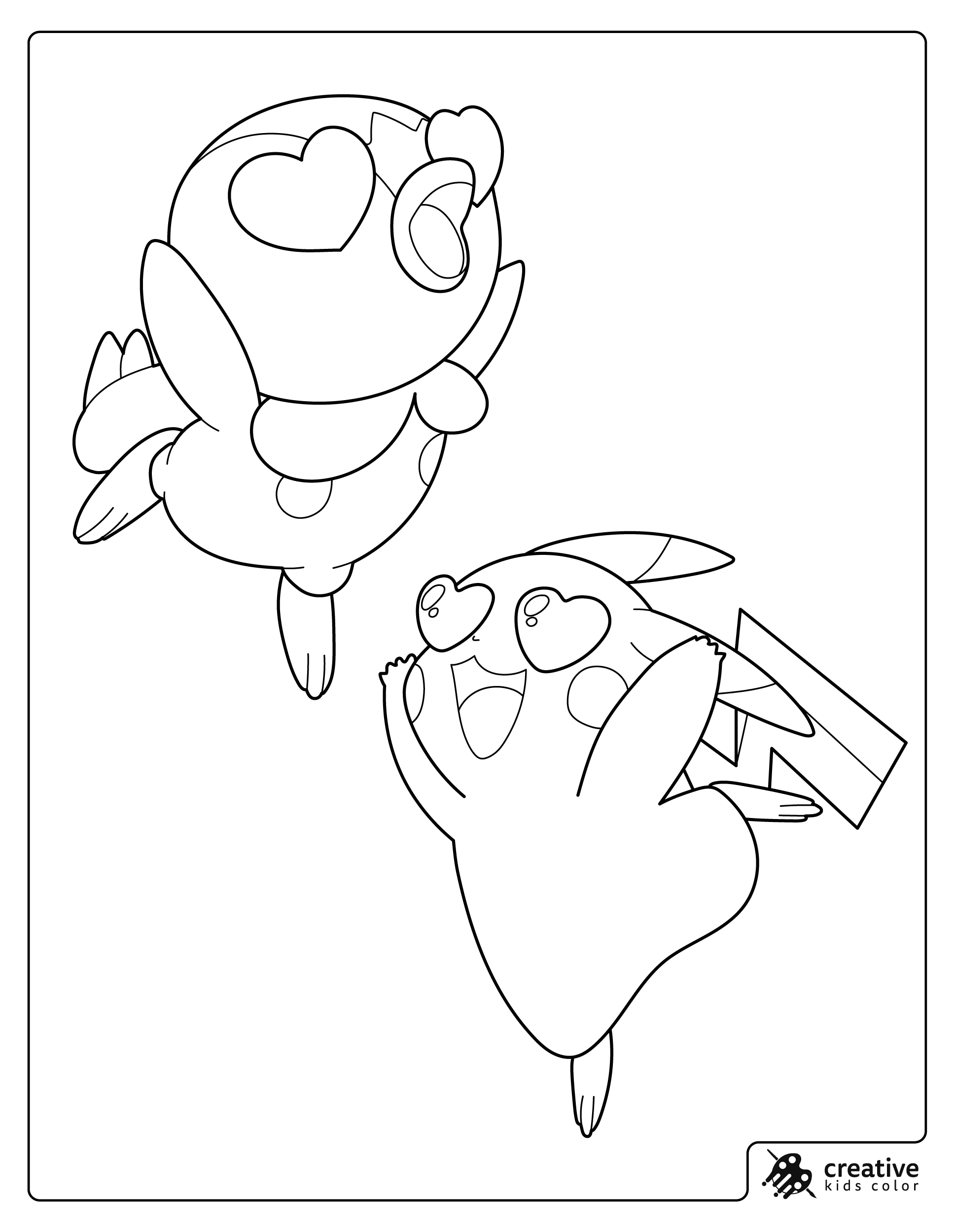
Pokemon Pikachu and Piplup Floating Happily
Pikachu and Piplup float together in the air cheerfully.
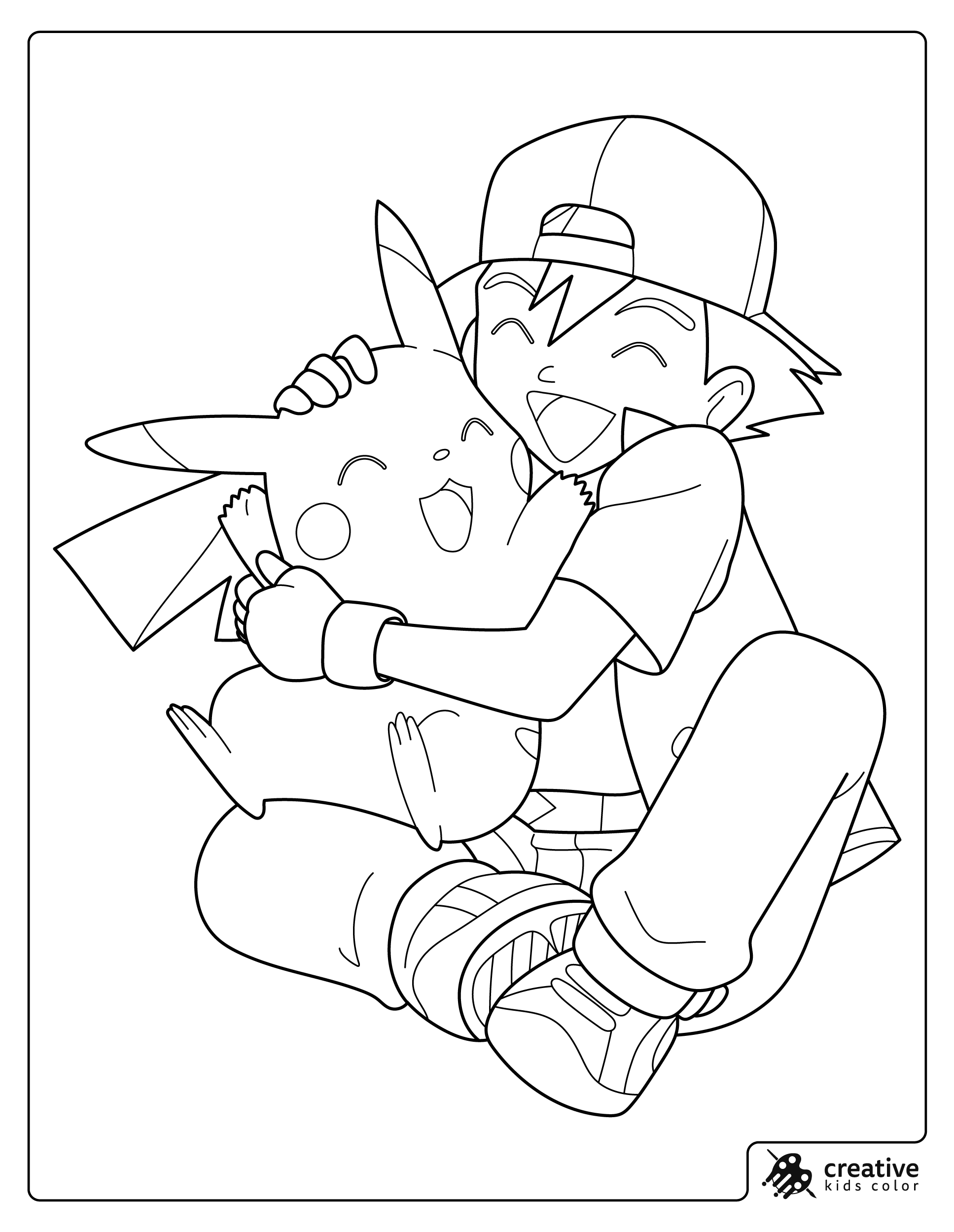
Pokemon Ash and Pikachu Hugging
Ash hugs Pikachu with a loving smile.
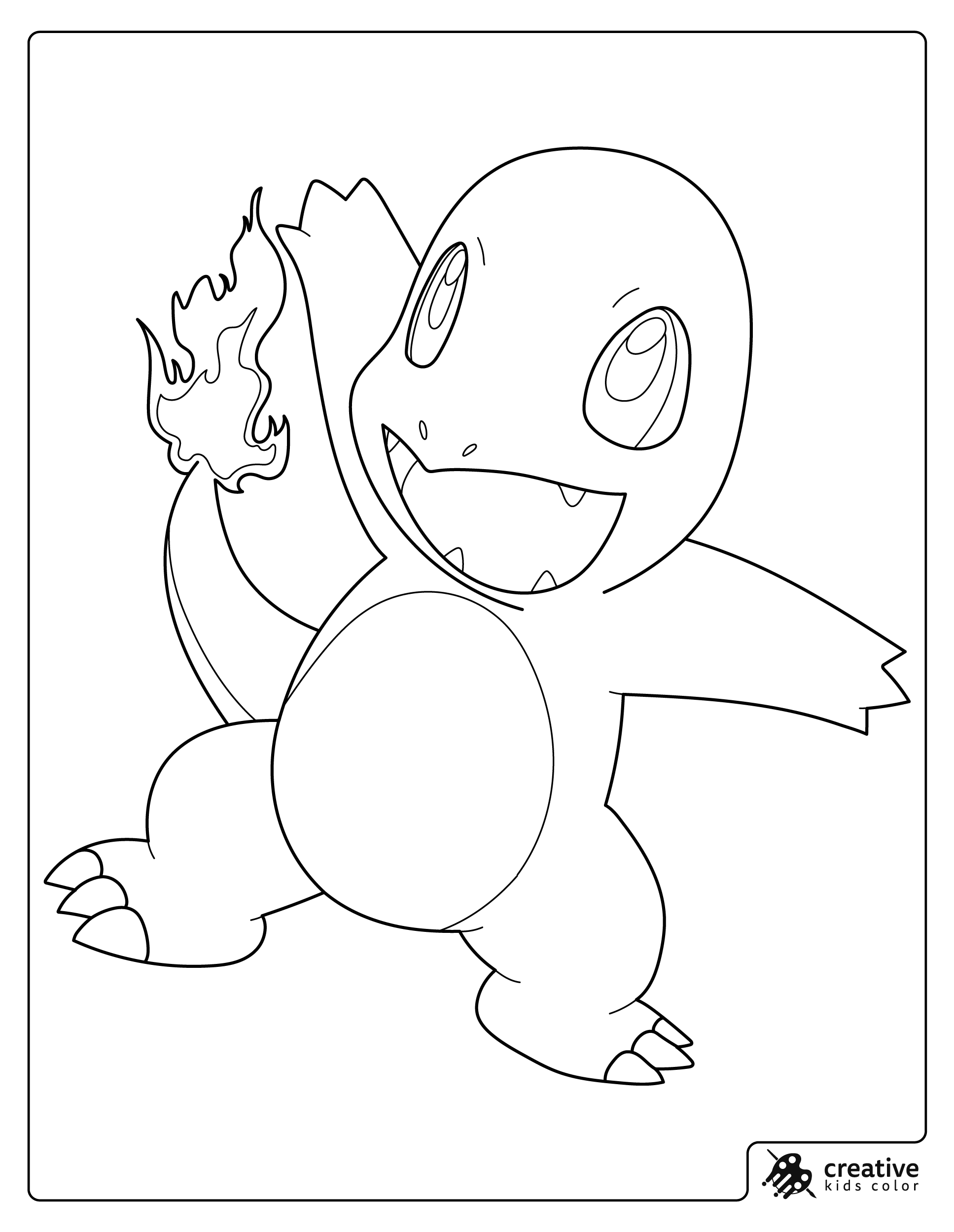
Pokemon Charmander with a Bright Flame
Charmander lifts up one of his arms while the fire at his tail blazes.
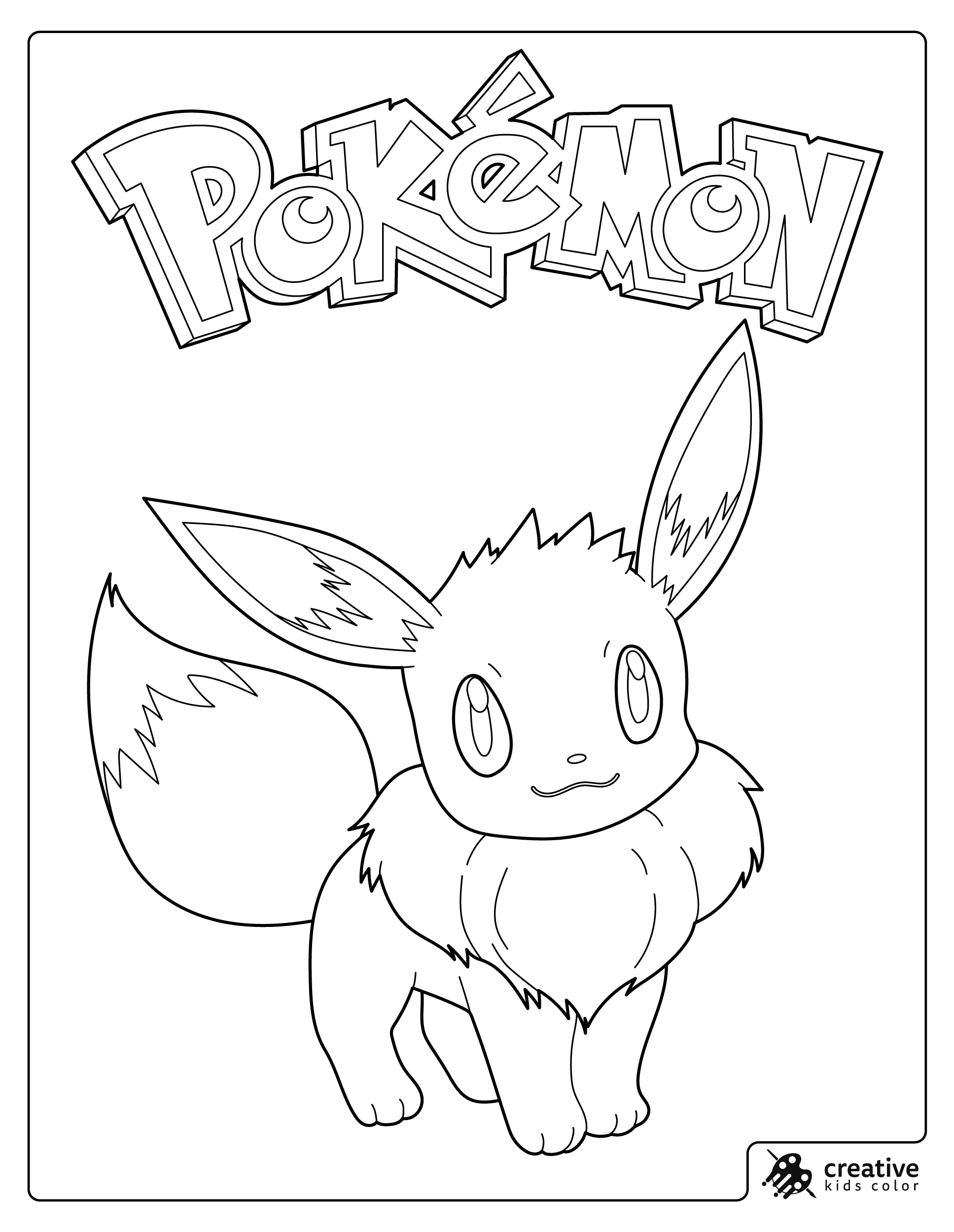
Pokemon Eevee Standing Proudly
Eevee stands proudly with his pointed ears and his bushy tail sticking behind him.
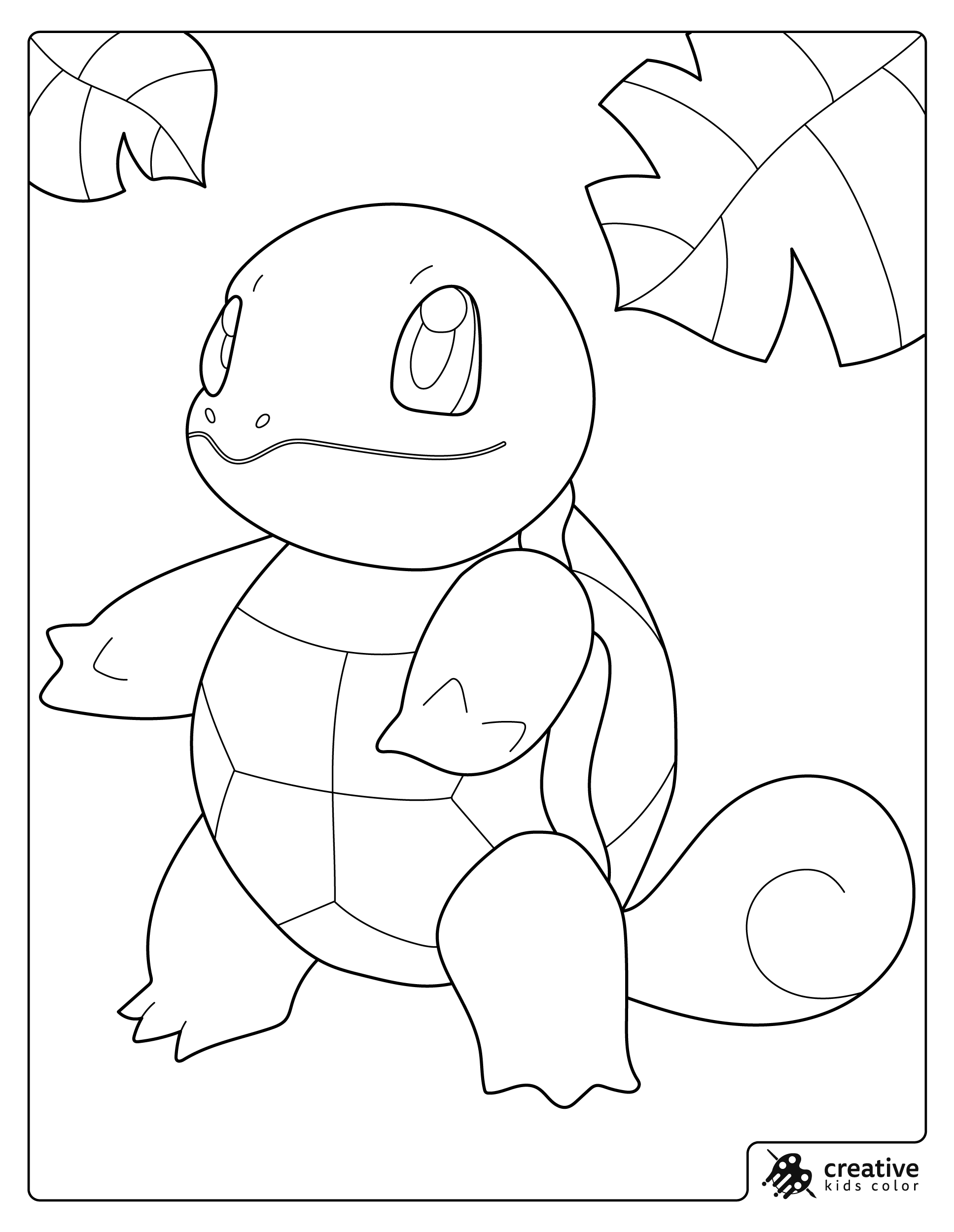
Pokemon Squirtle Under the Leaves
Squirtle stands under a bunch of leaves hanging over his head.

Pokemon Bulbasaur Smiling Forward
Bulbasaur stands proudly with a broad smile on his face while showing off the bulb on his back.
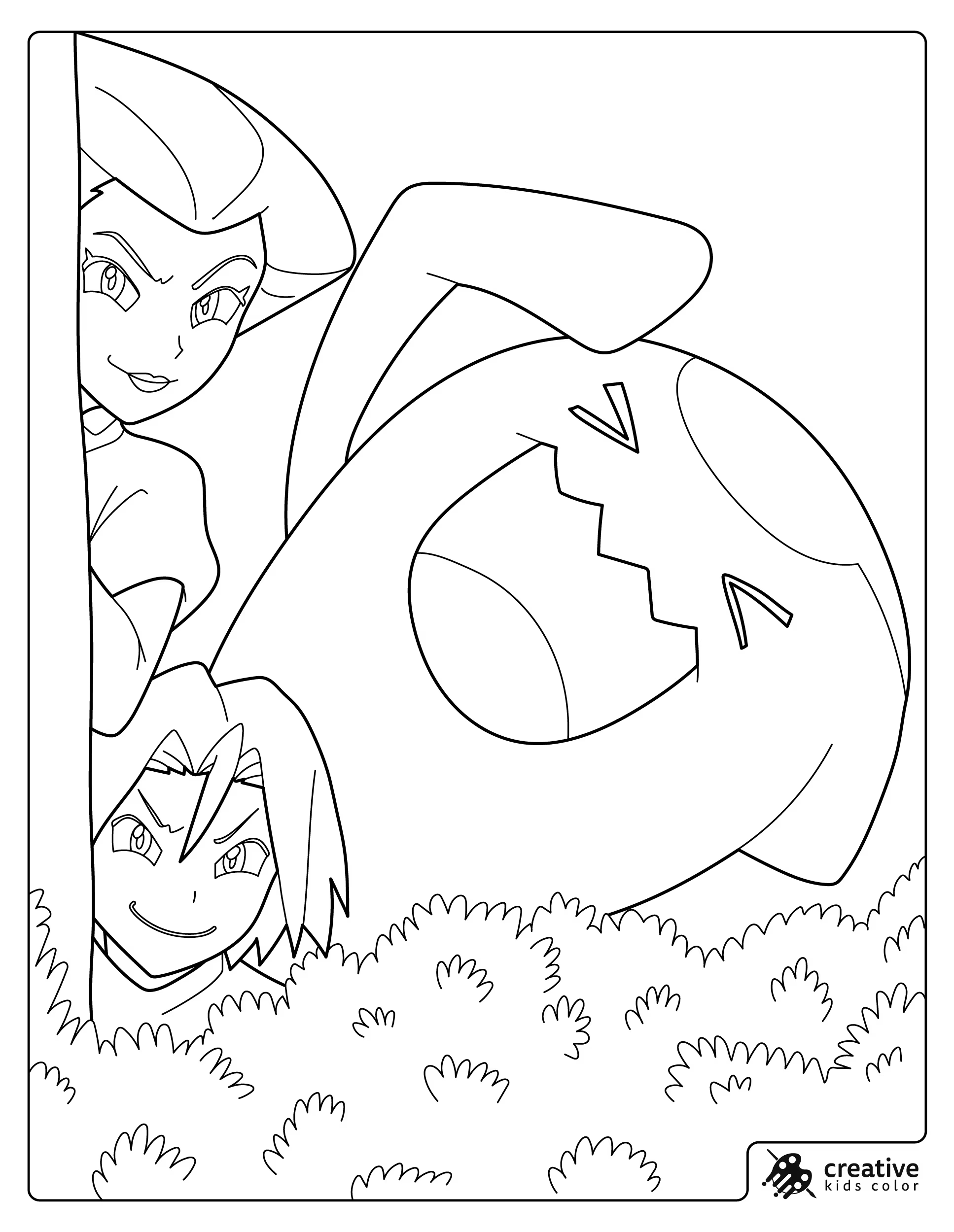
Pokemon Jessie, James and Wobbuffet Behind the Bushes
Jessie, James & Wobbuffet peak out from behind a tree and some bushes.
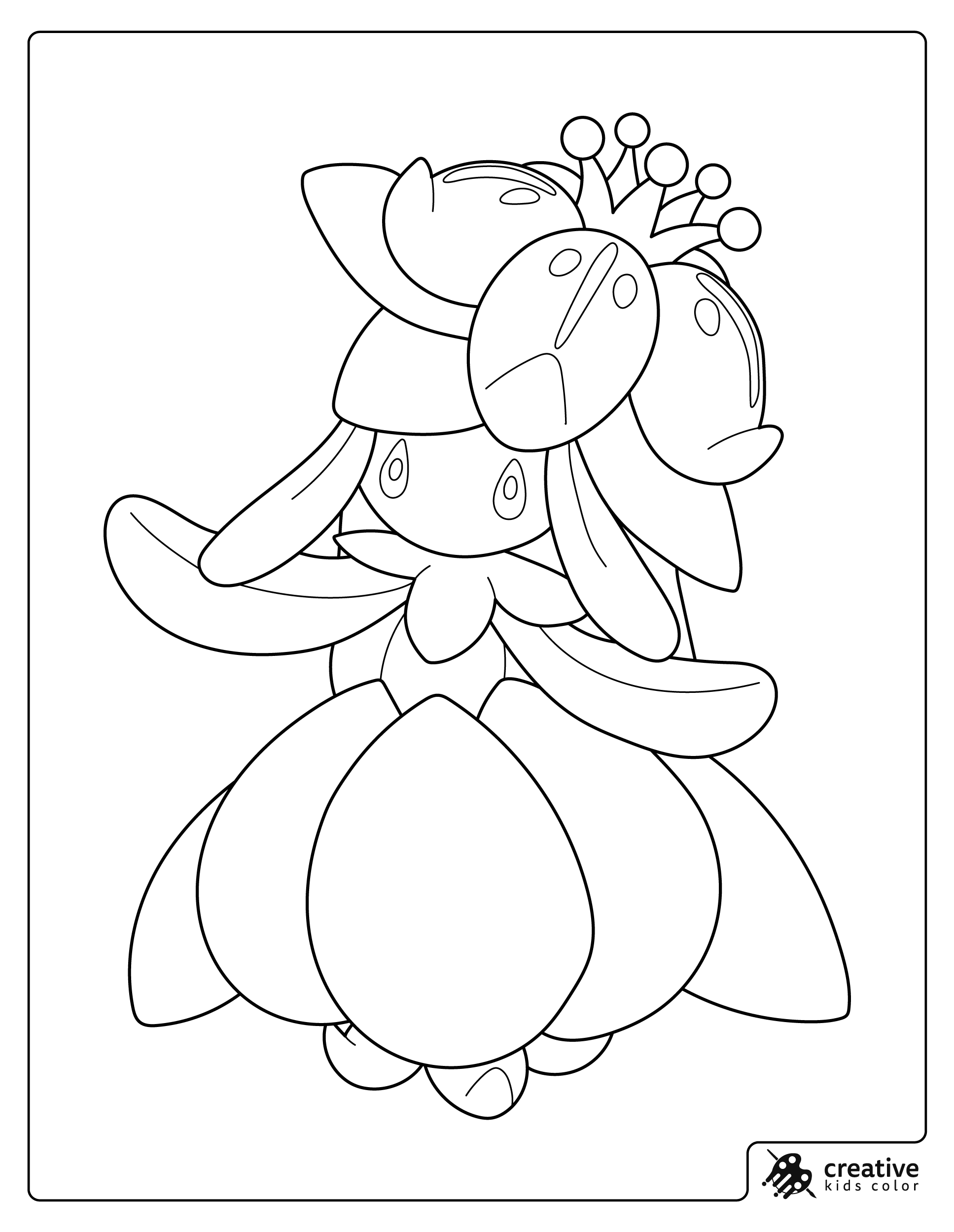
Pokemon Lilligant Standing Gracefully
Lilligant stands gracefully with the big petals on her head opening wide.
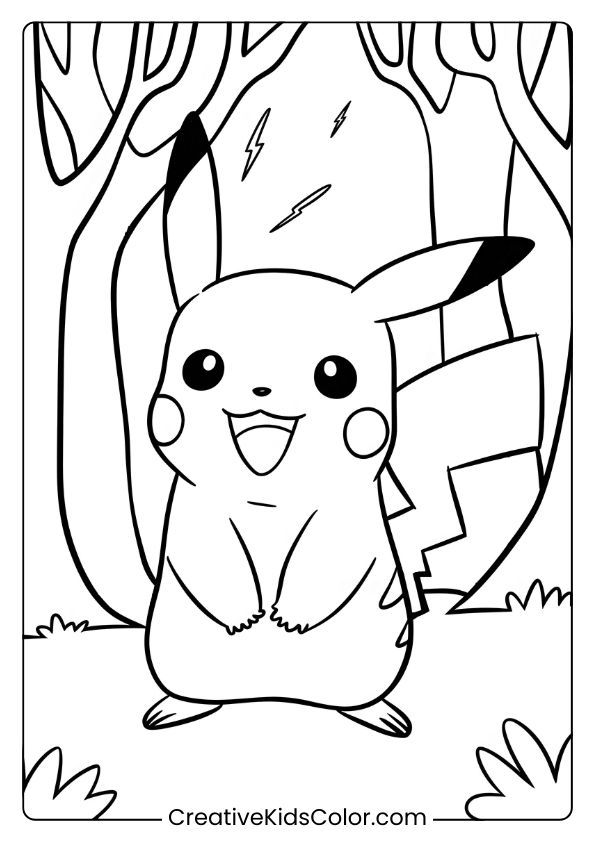
Pikachu in the Electric Forest
Pikachu stands in a forest with flashing lightning in the sky around him.
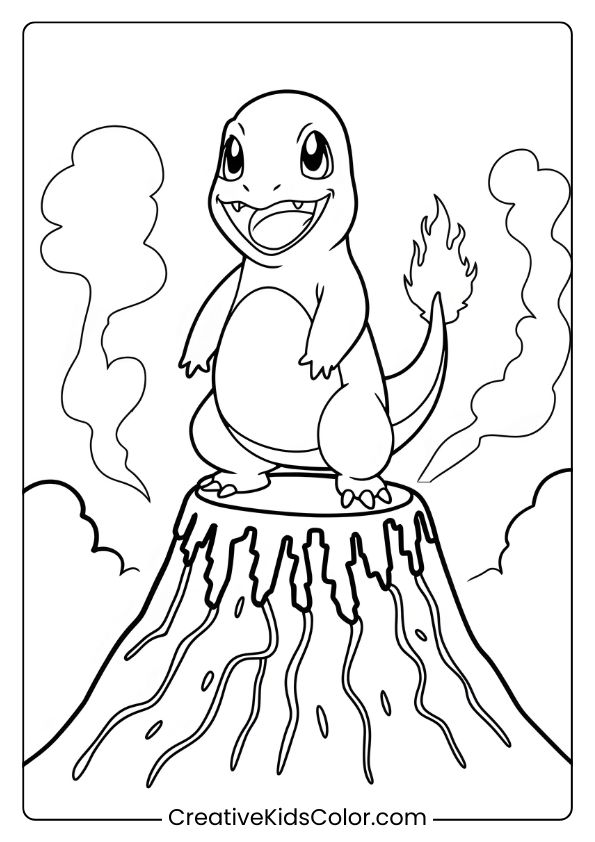
Charmander on Top of the Volcano
Charmander stands on top of a rocky volcano with his fiery tail lifting up behind him.
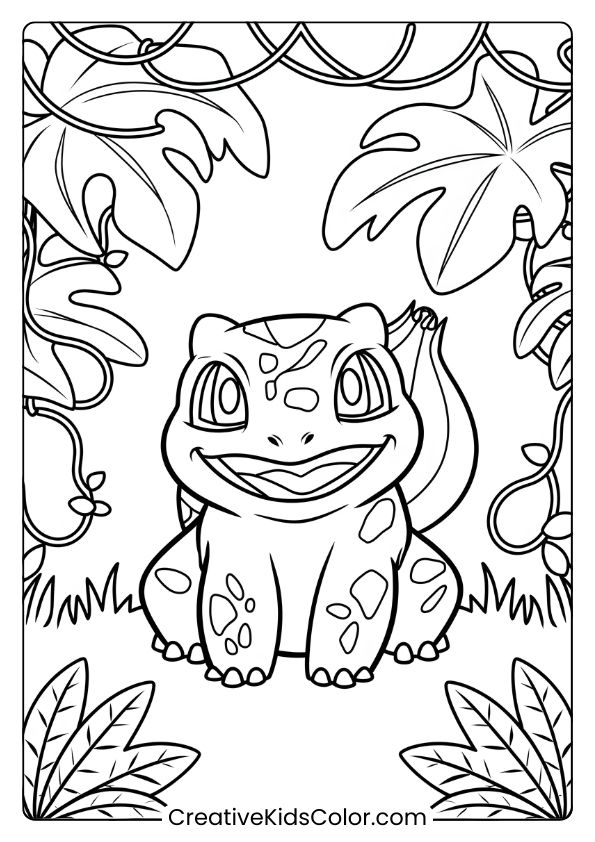
Bulbasaur in the Lush Jungle
Bulbasaur wanders around in a jungle with lots of big leaves, plants and vines.
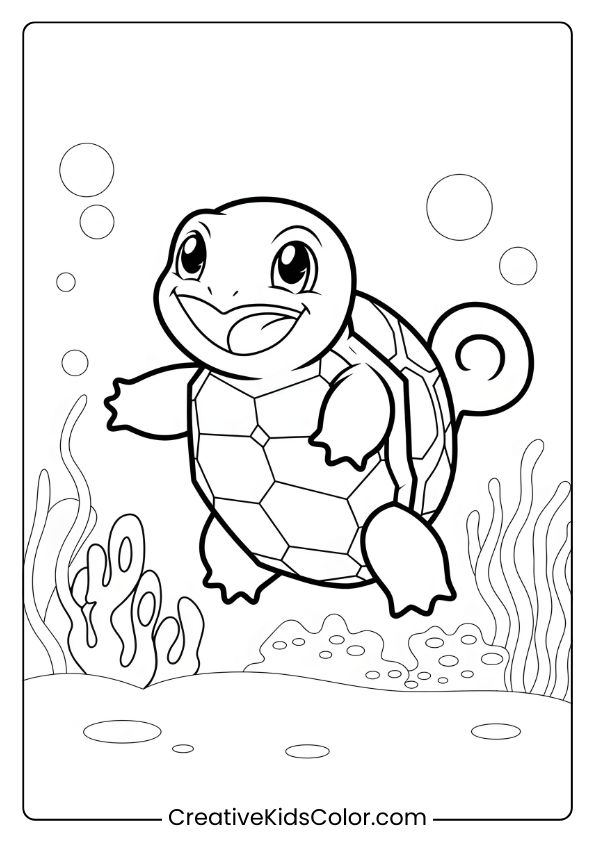
Squirtle Exploring Underwater
Squirtle swims underwater passing by bubbles, coral and seaweed.
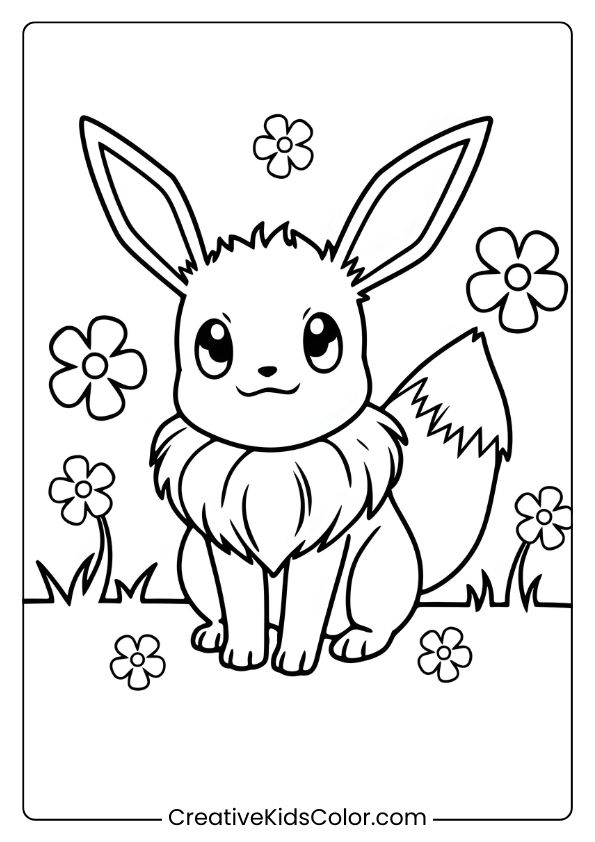
Eevee in the Flowering Meadows
Eevee sits contently in a blooming flower field with lots of blossoms.
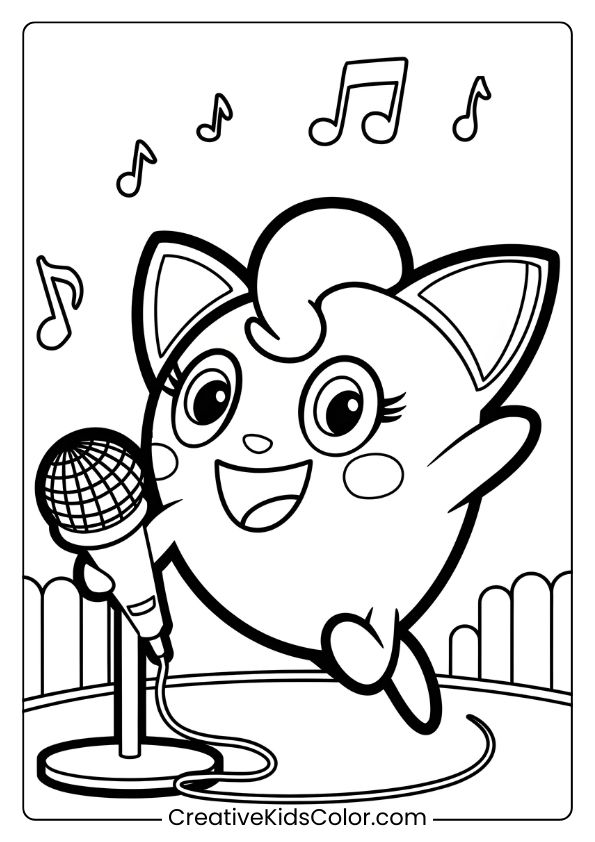
Jigglypuff Singing on the Stage
Jigglypuff sings into a microphone while dancing on a small stage.
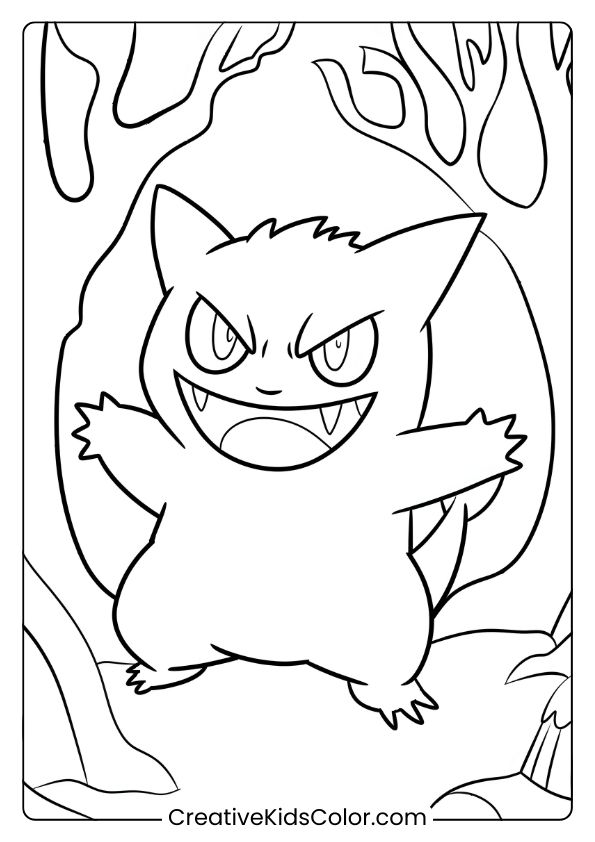
Gengar Haunting the Spooky Forest
Gengar stands behind some twisted trees in a ghostly forest with a cheeky grin.
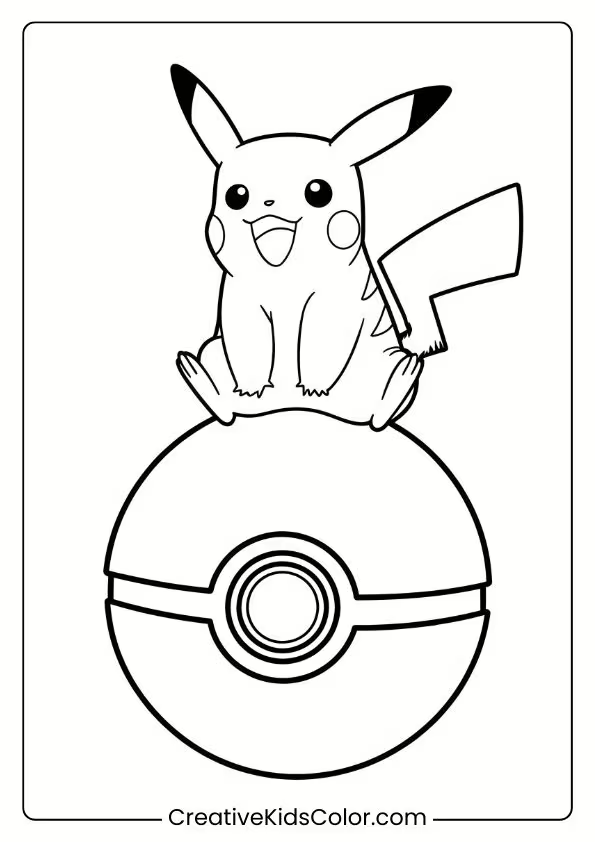
Pikachu on a Giant Pokeball
Pikachu sits on the top of a giant Poke Ball with his tail shaped like lightning sticking up.
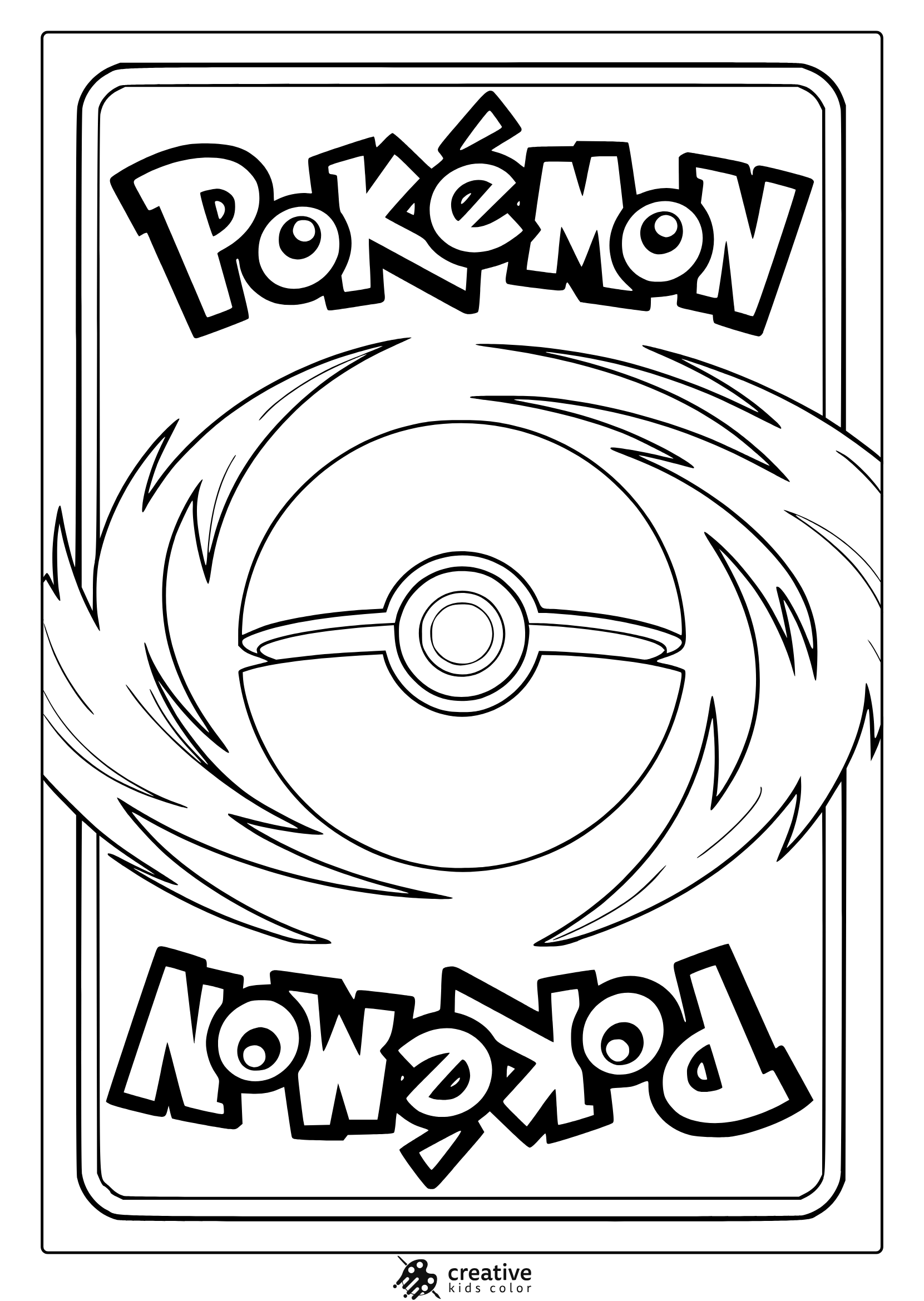
Pokemon Card Coloring Page
A giant Poke Ball sits in the middle of a fancy pokeball card with lots of powers surrounding it.
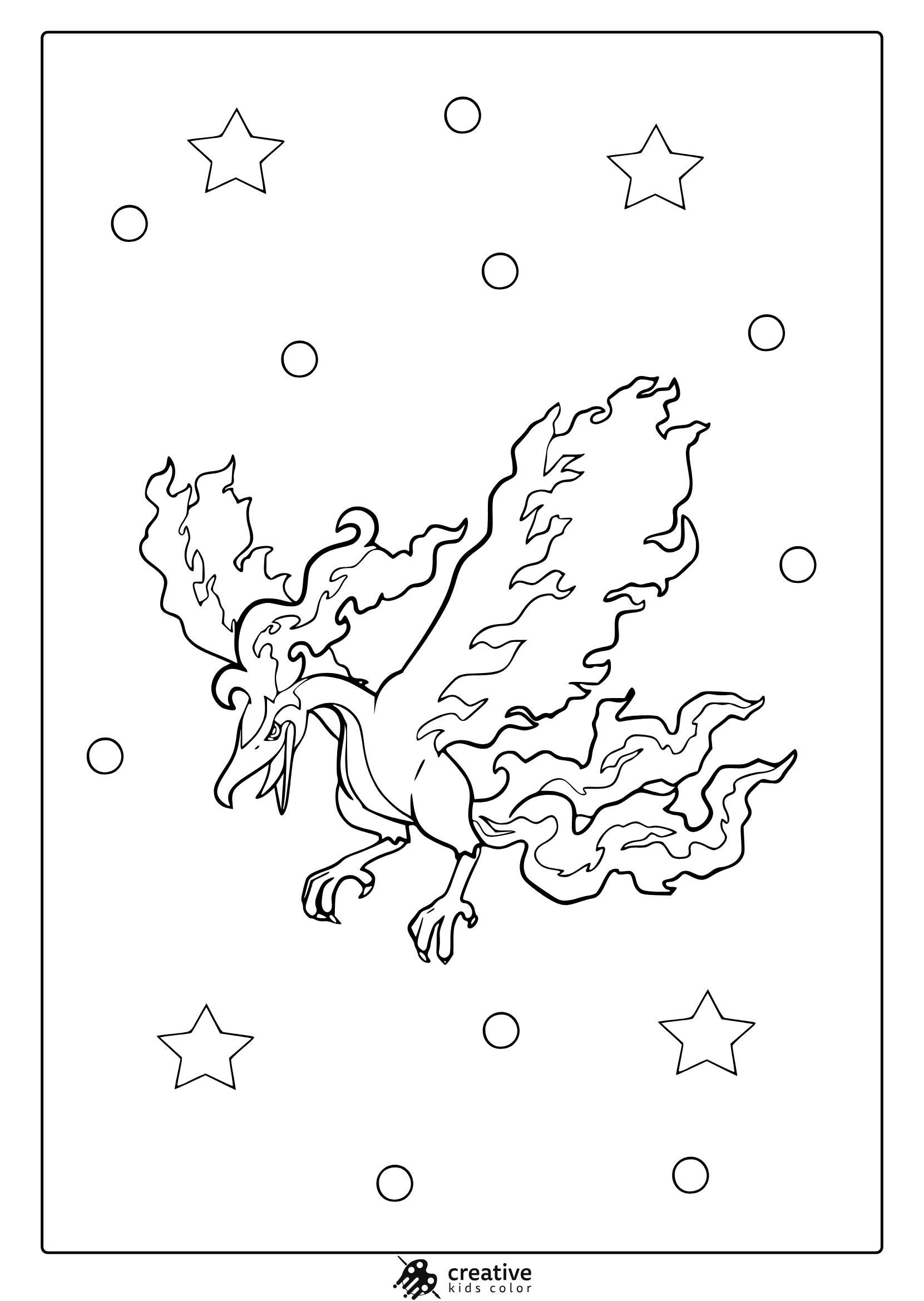
Legendary Pokemon Coloring Page (Legendary Moltres)
Legendary Moltres opens up his wings while fires surrounds his body.
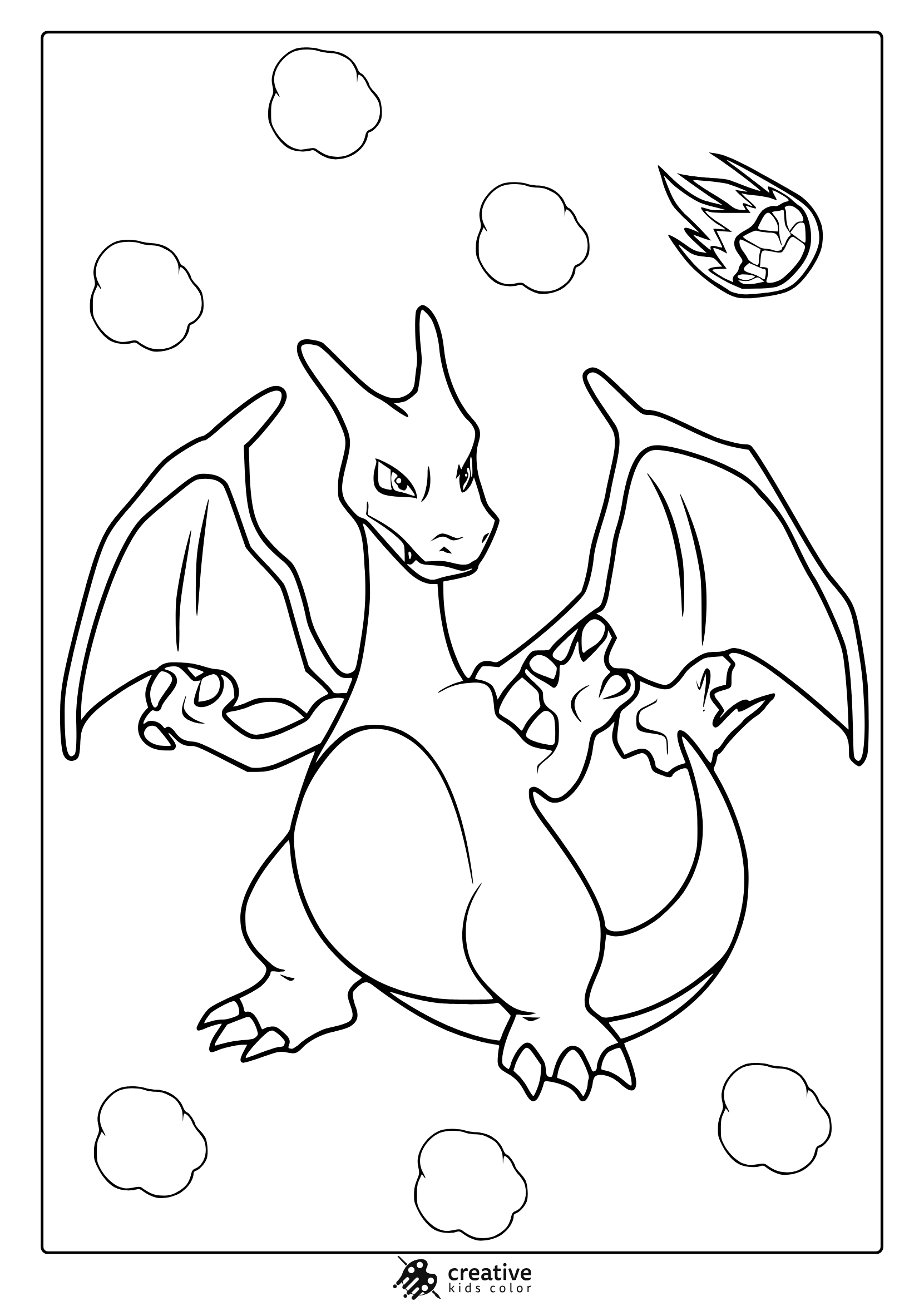
Charizard From Pokemon Coloring Page
Charizard flies through the clouds with his wings spread wide while a blazing comet passes by.
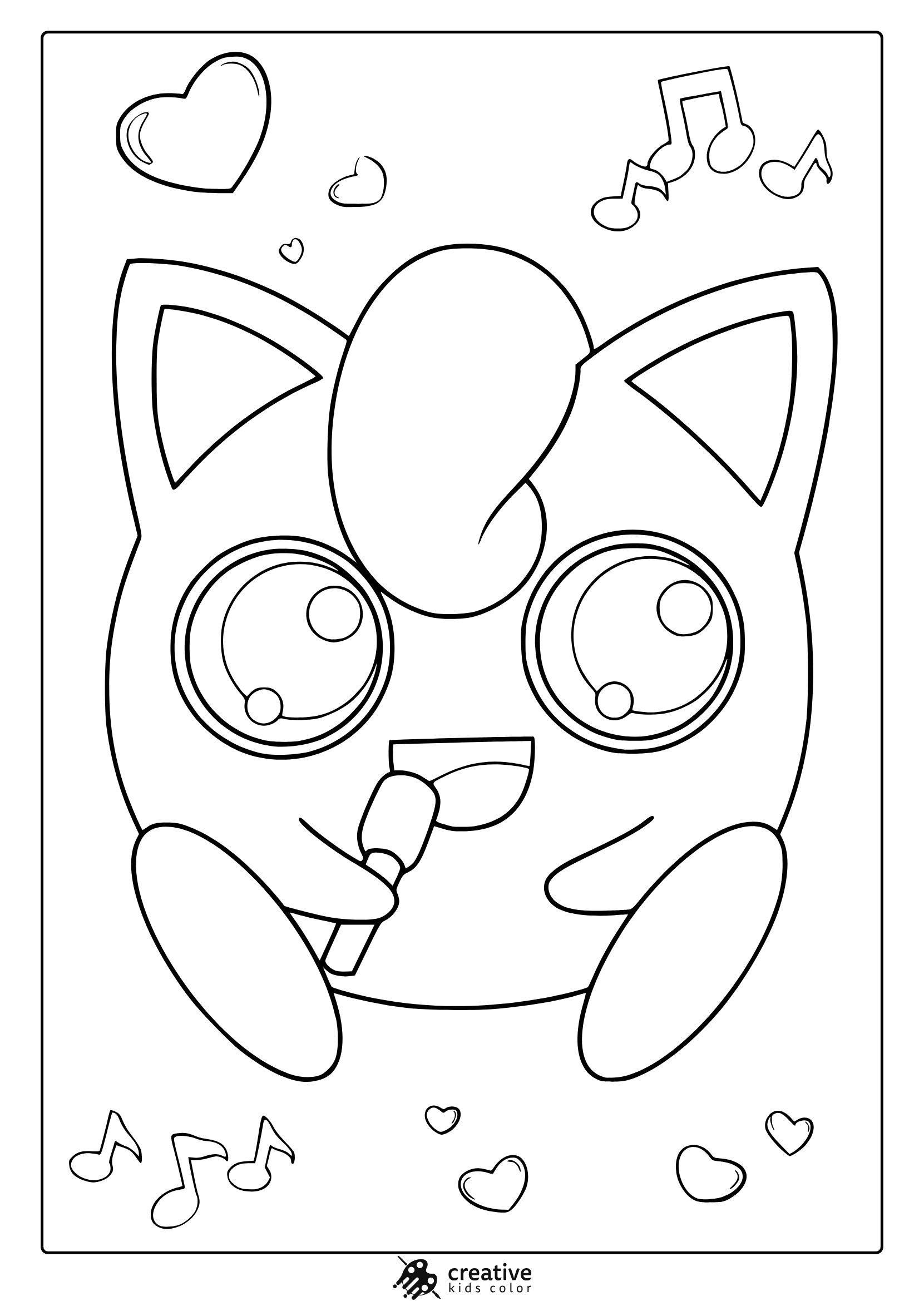
Jigglypuff From Pokemon Coloring Page
Jigglypuff uses a microphone to sing while floating around musical notes and hearts.
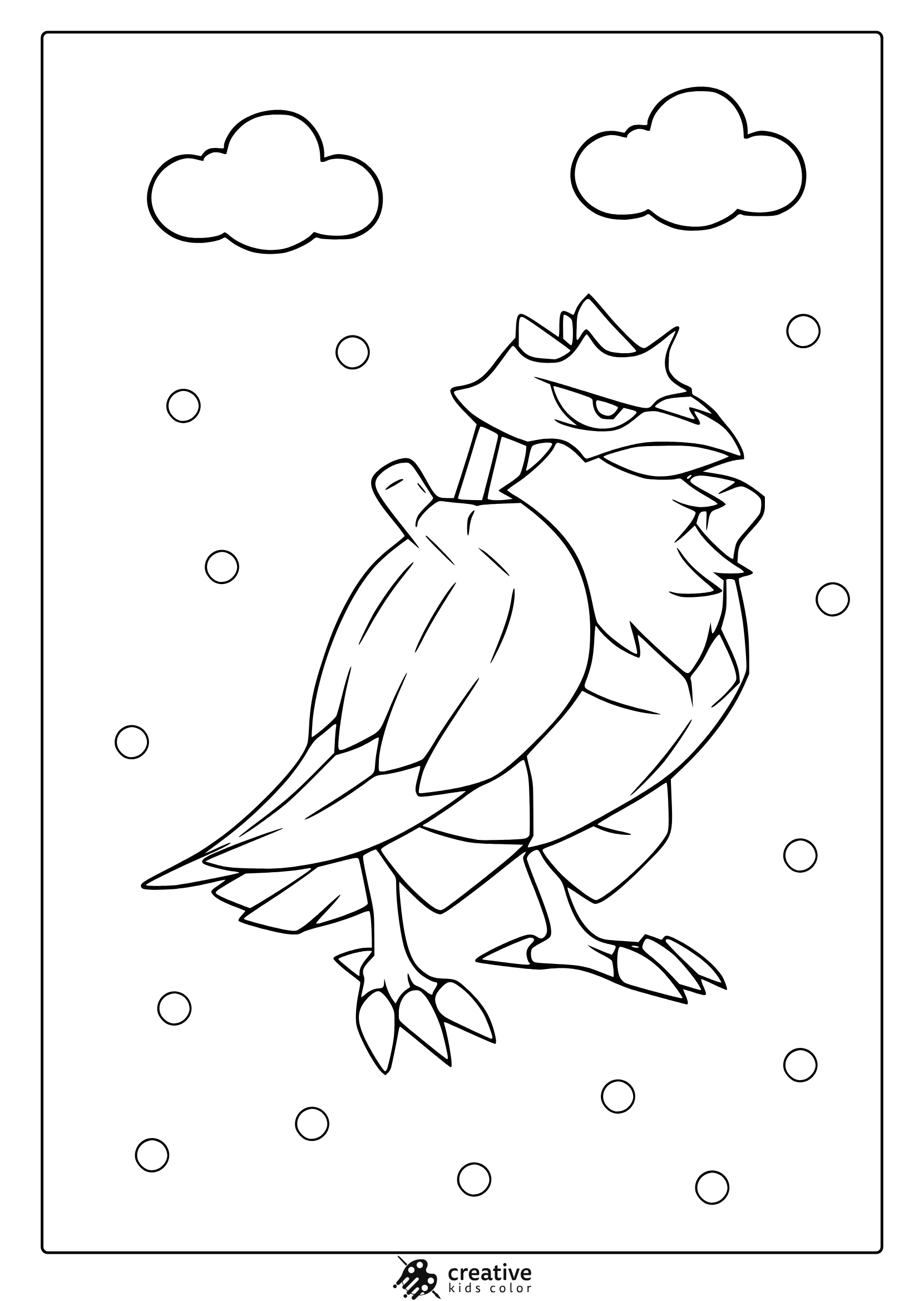
Corviknight From Pokemon Coloring Page
Corviknight stands tall under a cloudy and snowy sky with lots of feathery details.
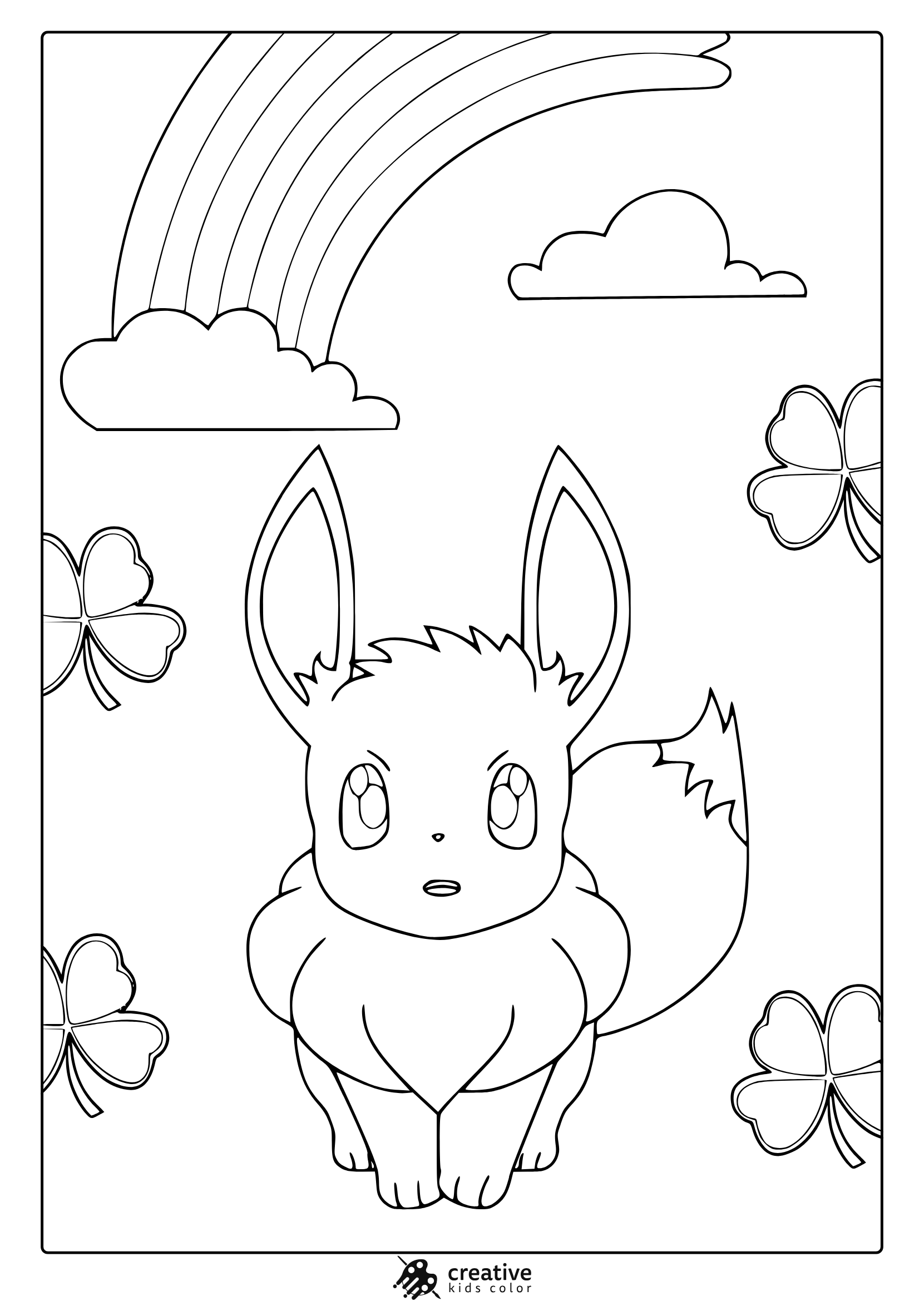
Eevee From Pokemon Coloring Page
Eevee stands underneath a rainbow with fluffy clouds and little clovers around him.
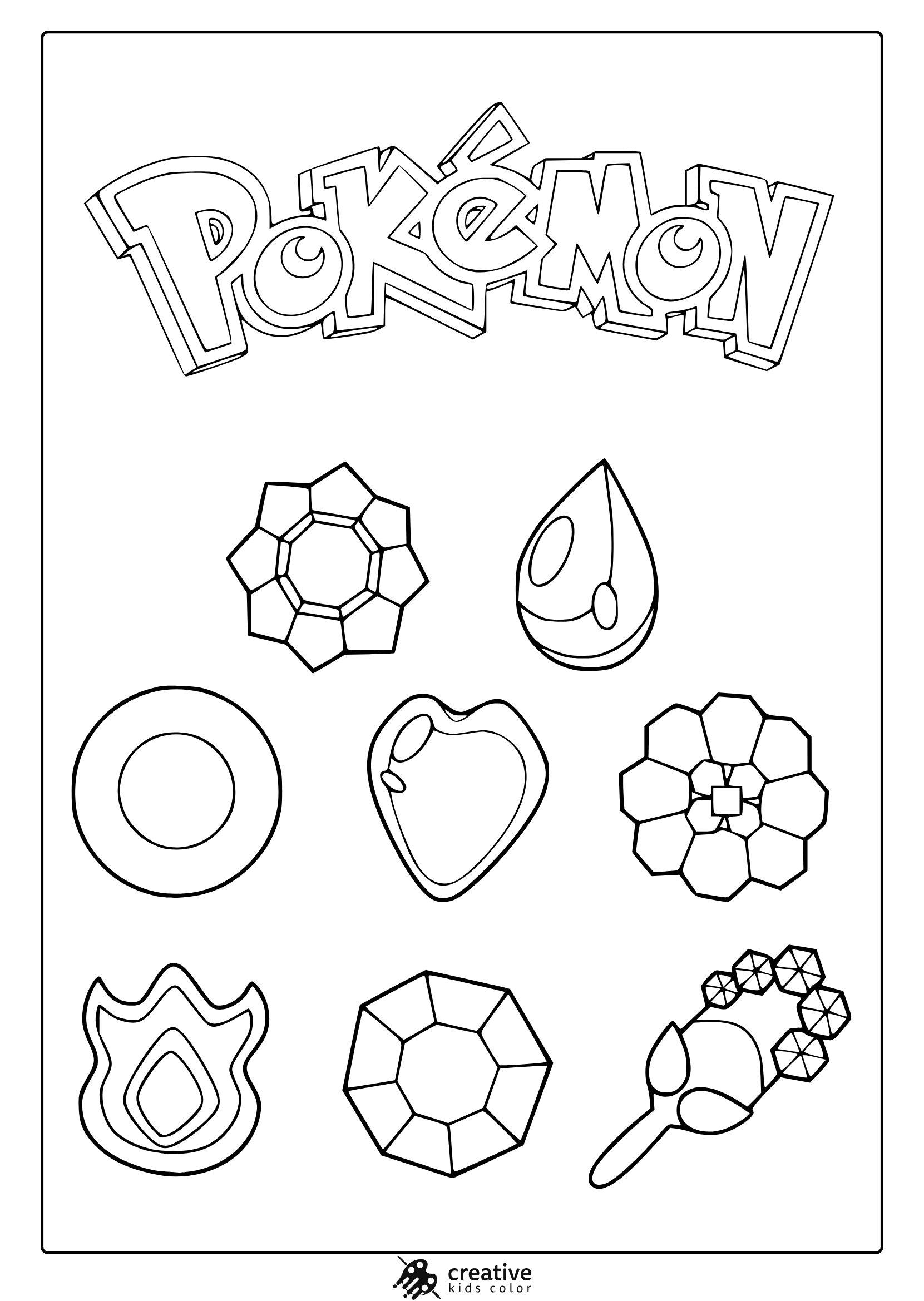
Pokemon Badges And Logo Coloring Page
The pokemon logo shines above a collection of fancy crystals and pyramids.
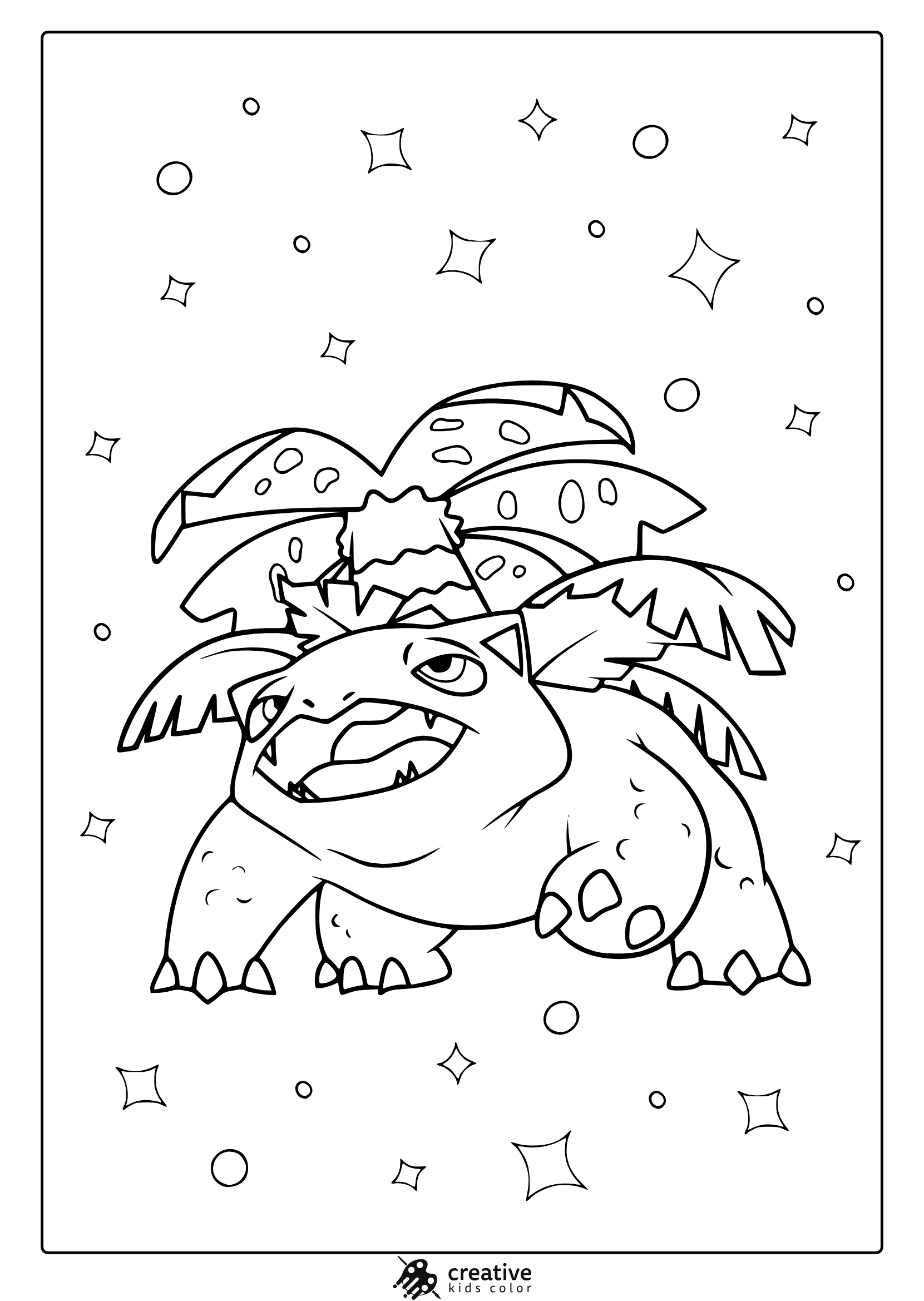
Venusaur From Pokemon Coloring Page
Venusaur stands proudly with the big flower on his back while stars surrounds his body.
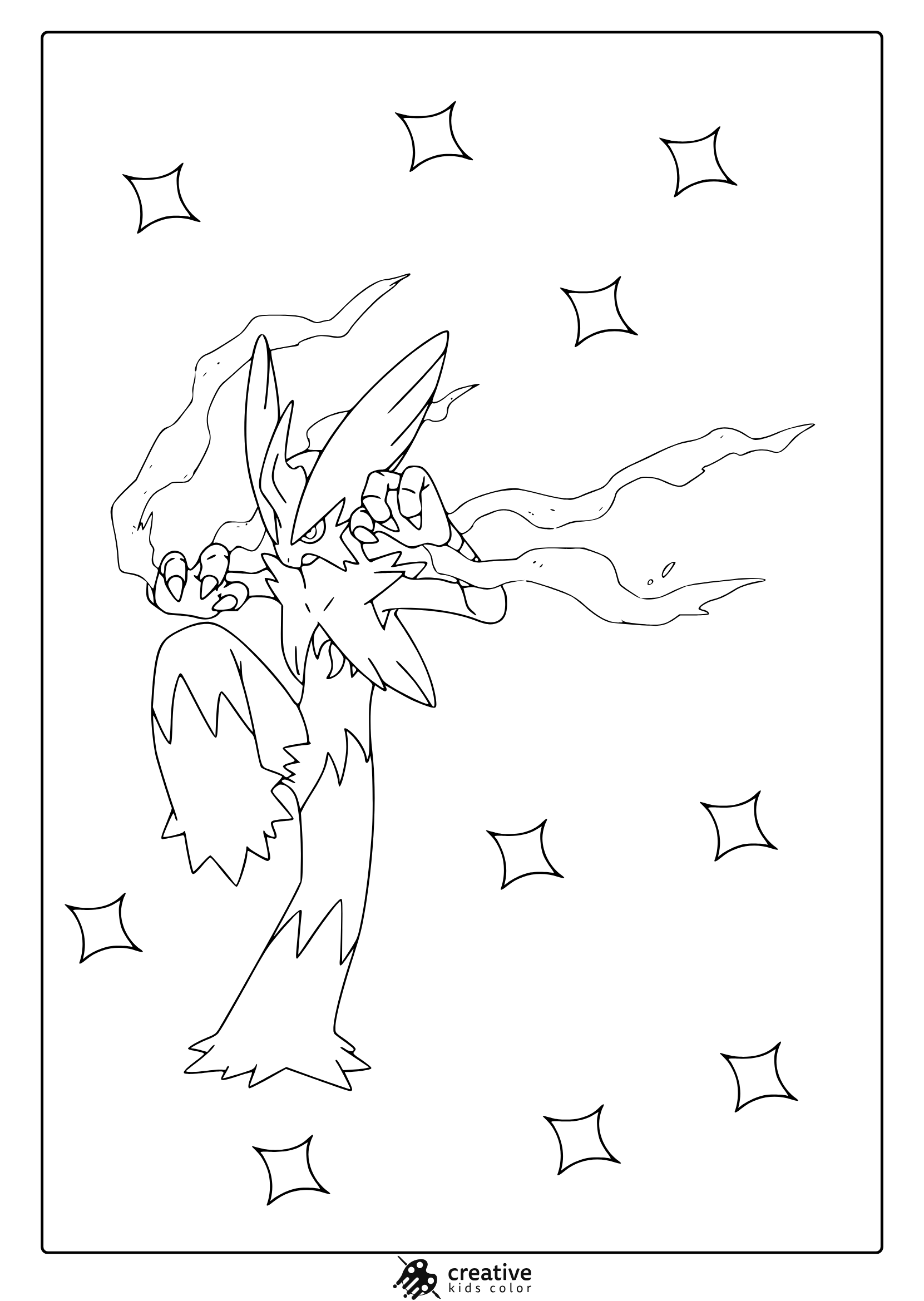
Blaziken From Pokemon Coloring Page
Blaziken strikes a strong fighting pose while flames and sparkles surrounds him.
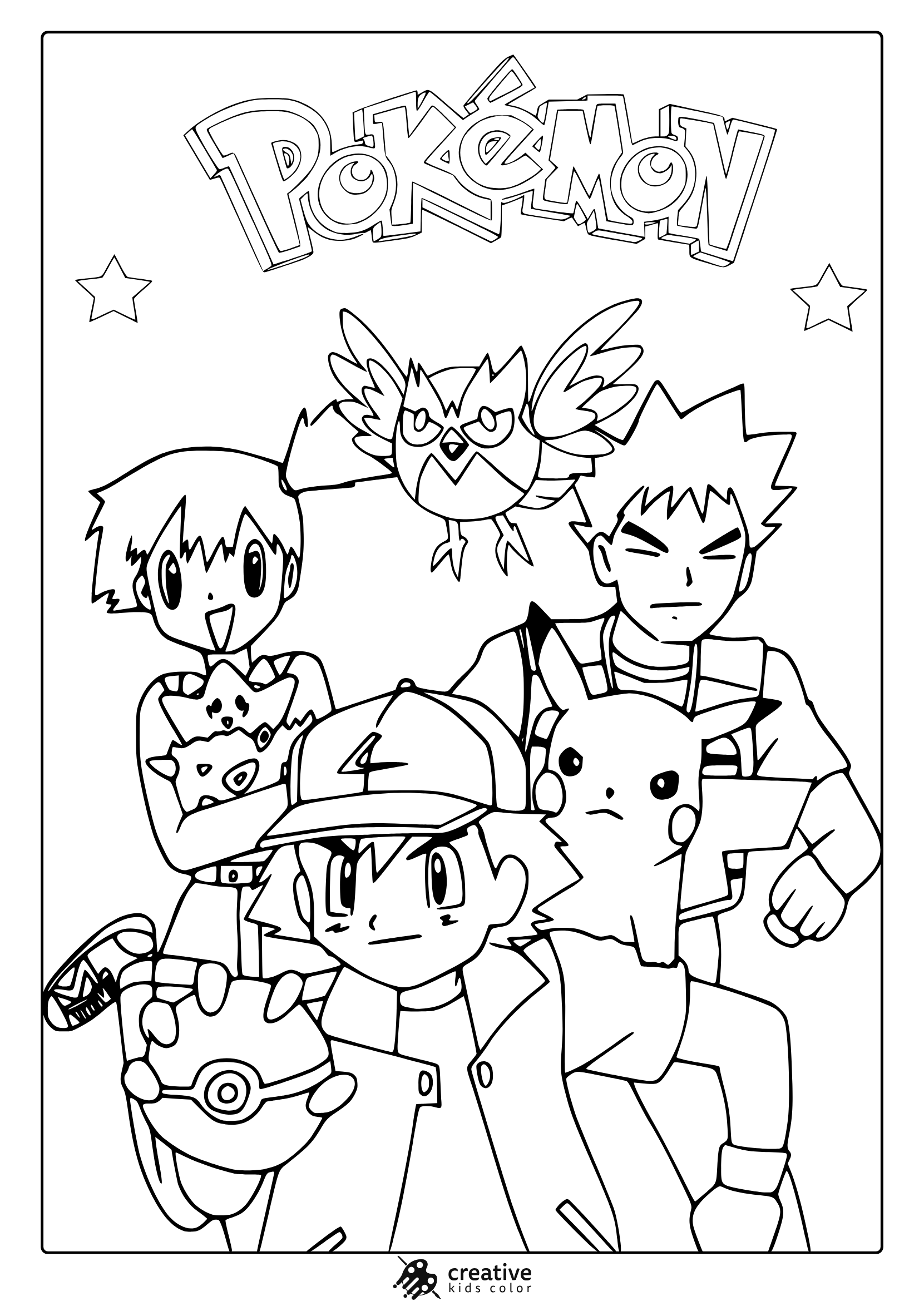
Ash with Brock and Misty From Pokemon Coloring Page
Ash, Brock, Misty & Pikachu all strike a happy group pose together with Pikachu.
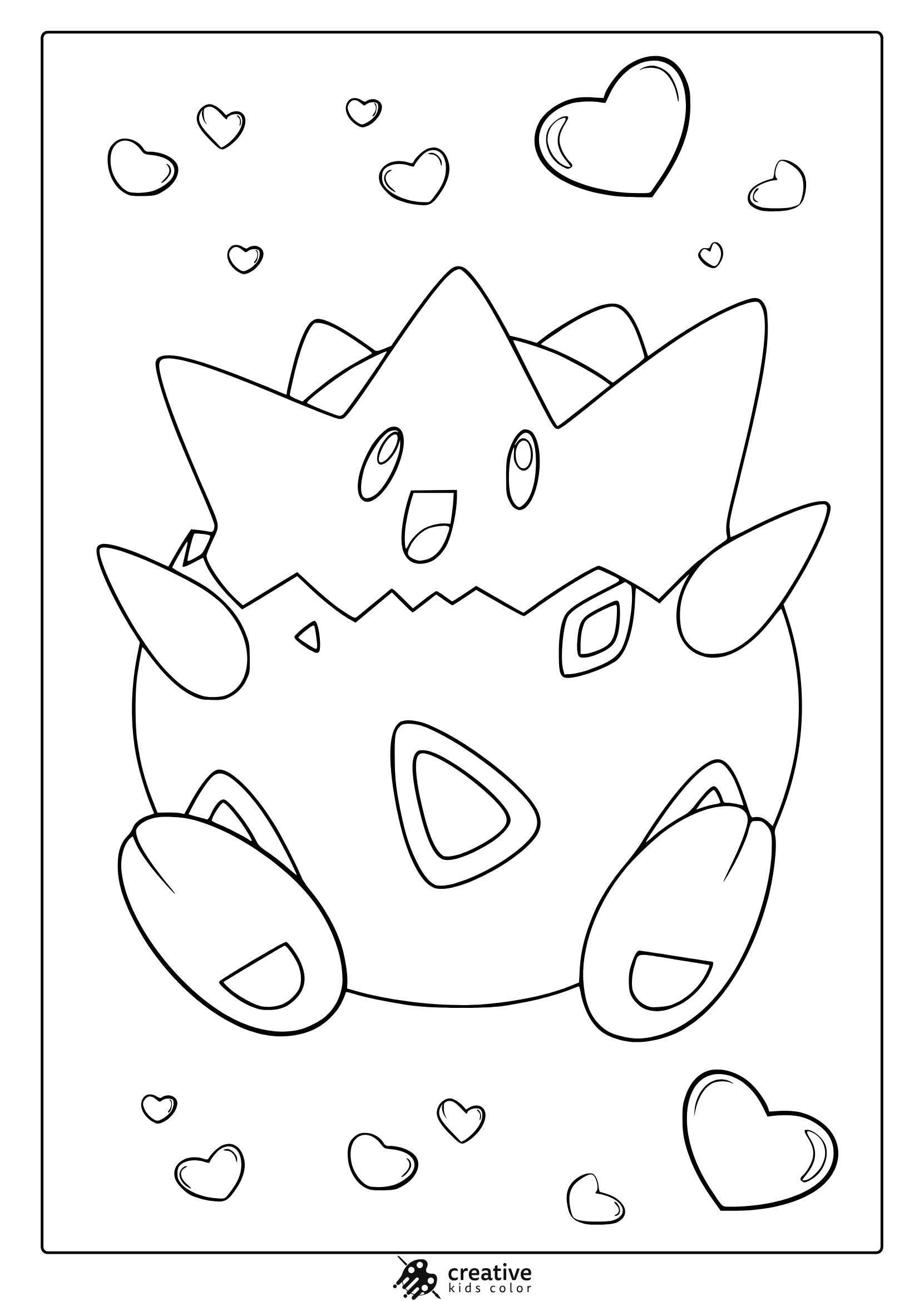
Togepi From Pokemon Coloring Page
Togepi smiles happily while lots of little hearts surrounds him.
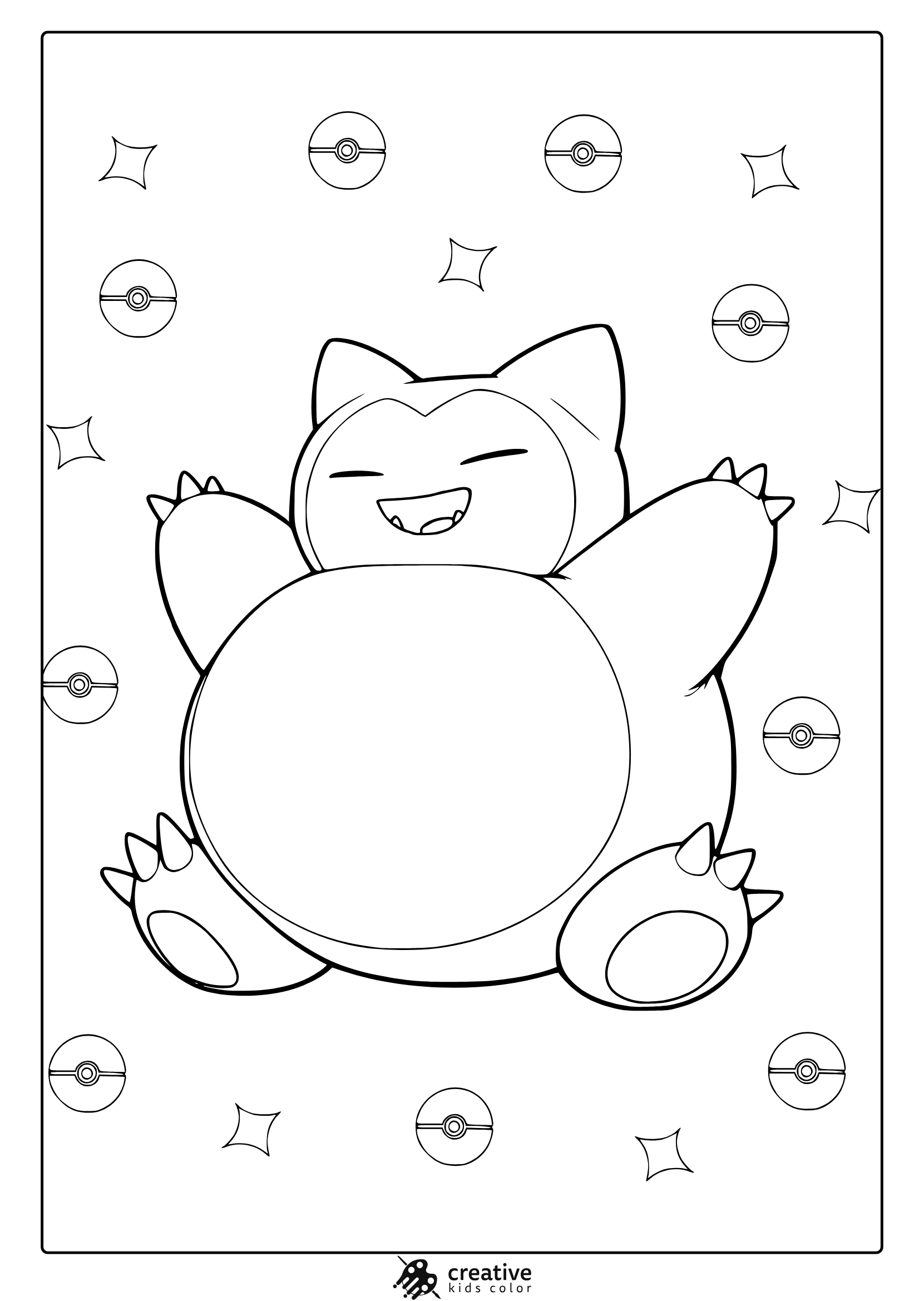
Snorlax From Pokemon Coloring Page
Snorlax sits comfortably among pokeball symbols and sparkling stars.
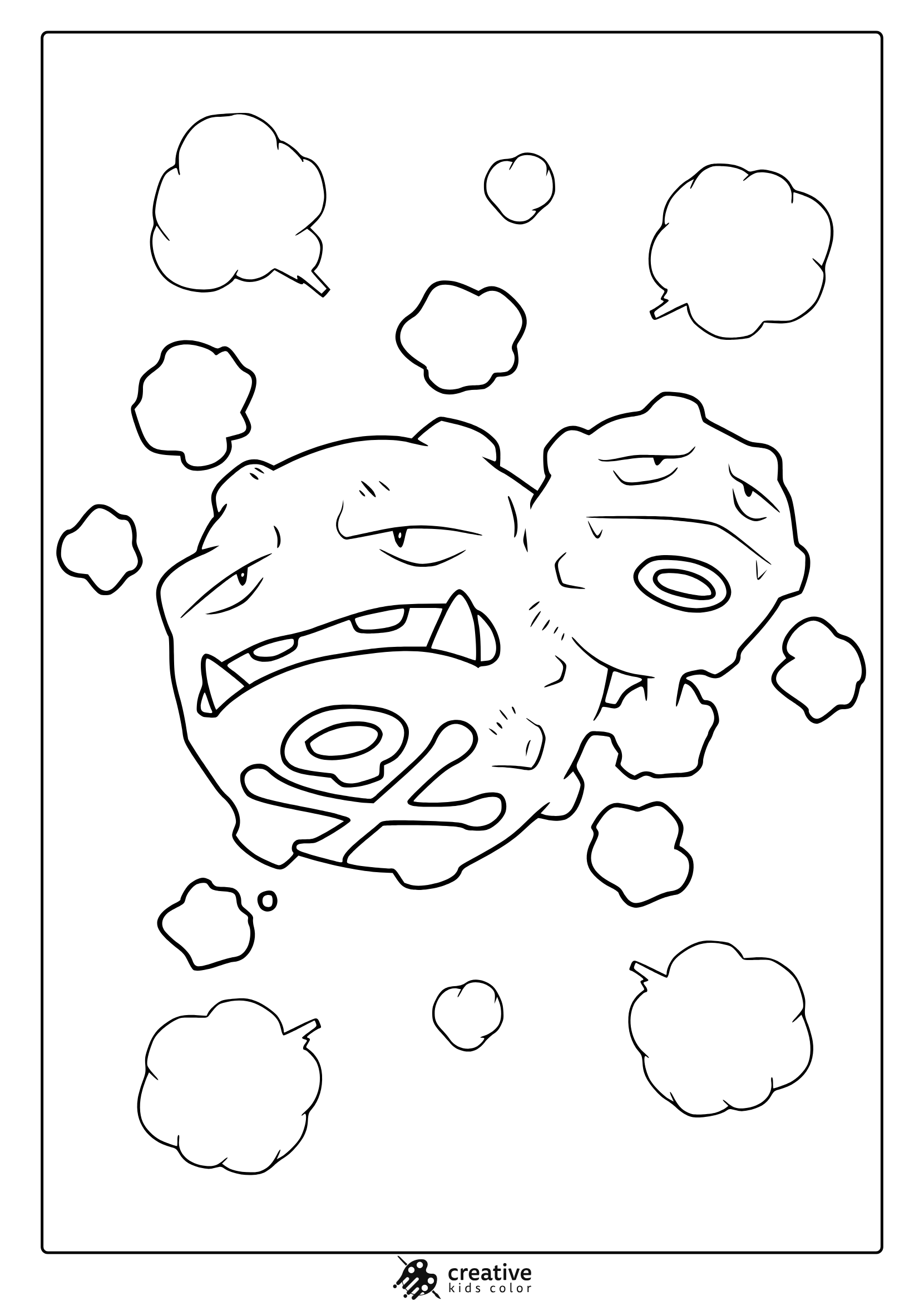
Koffing From Pokemon Coloring Page
Two Koffings faces lifts up from a giant bubbling mass cloud.
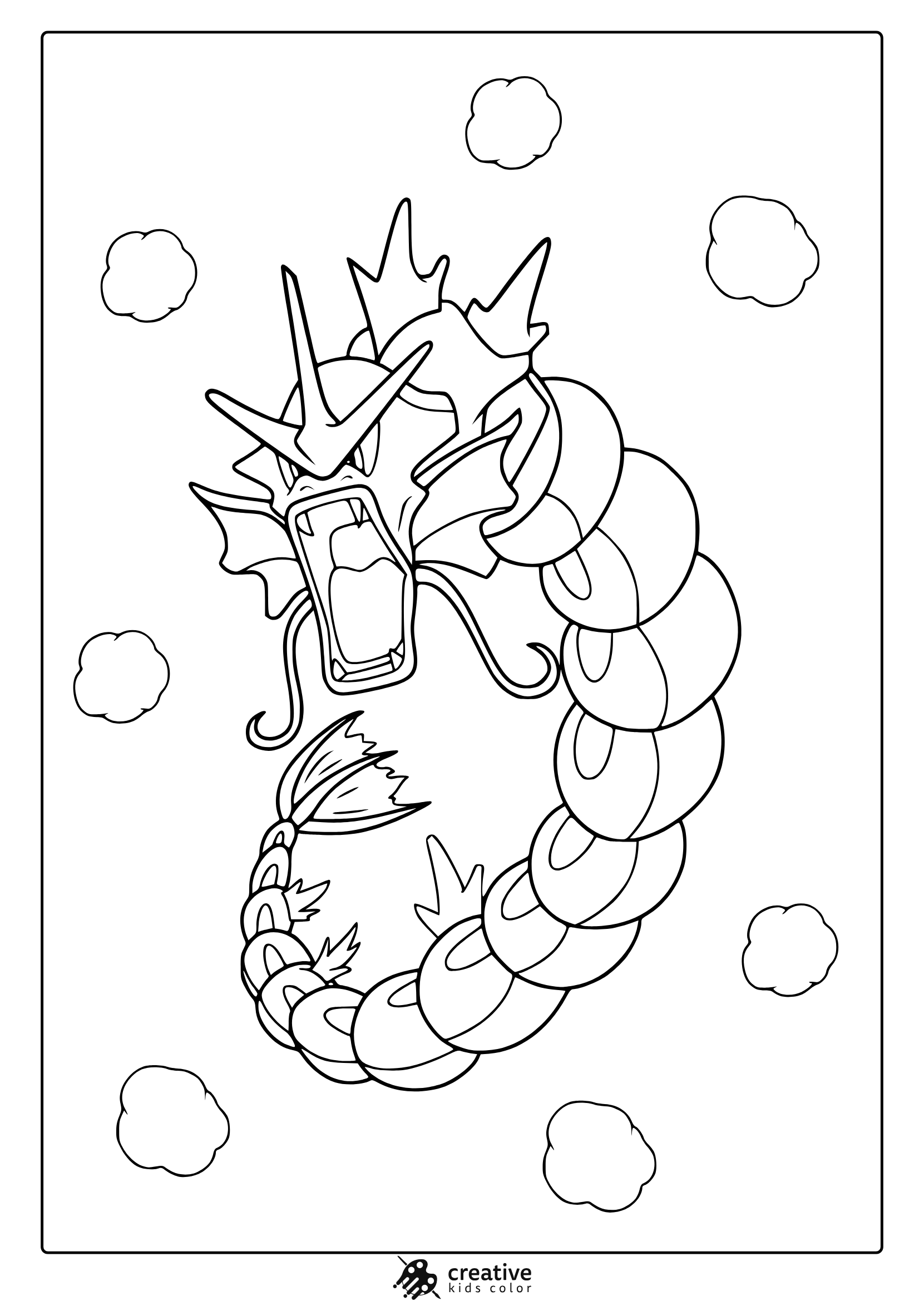
Gyarados From Pokemon Coloring Page
Gyarados snakes through the clouds with lots of mechanical parts on his head.
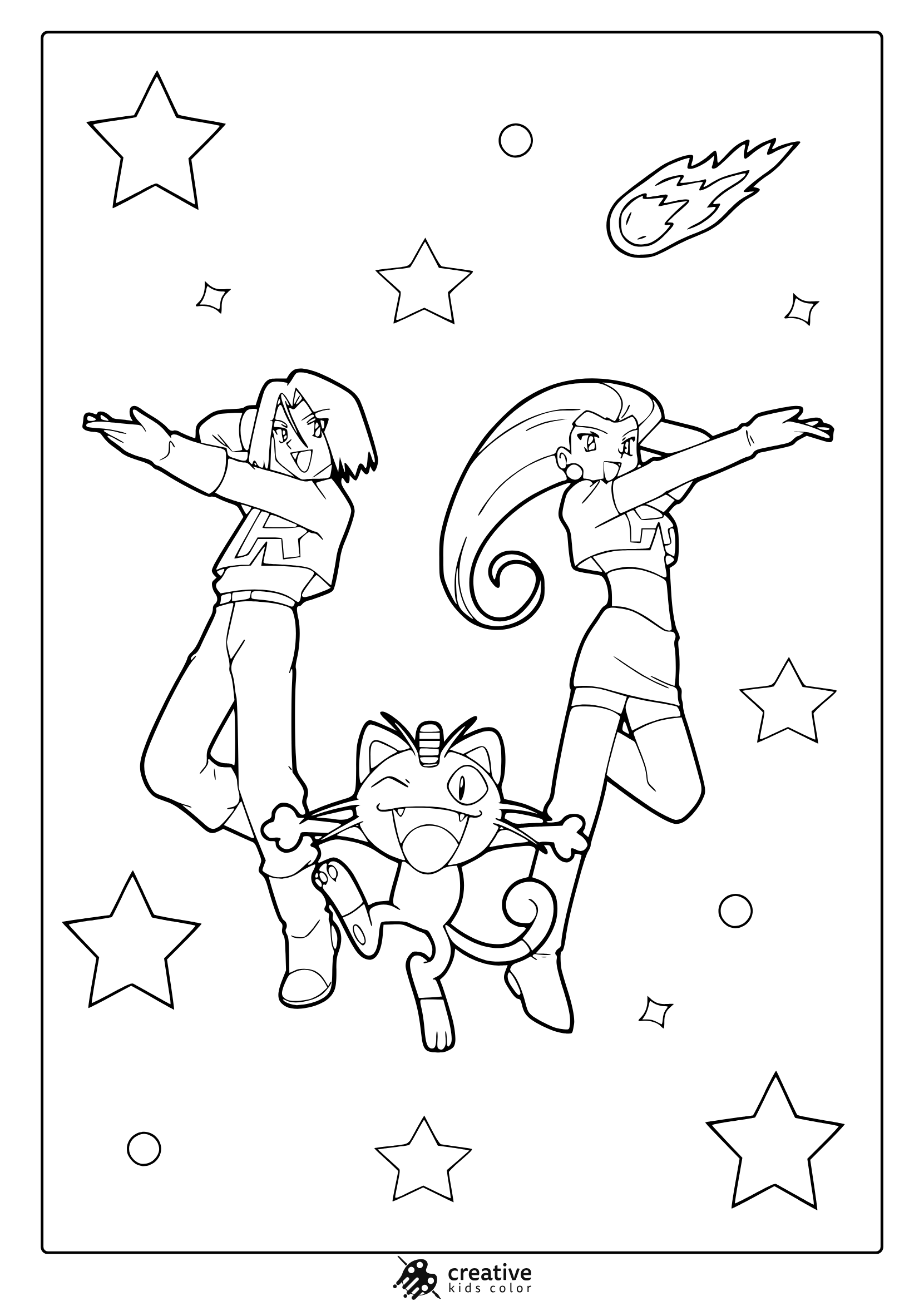
Team Rocket Jessie, James, and Meowth From Pokemon Coloring Page
Jessie, James & Meowth all jump happily in the air with stars and a comet around them.
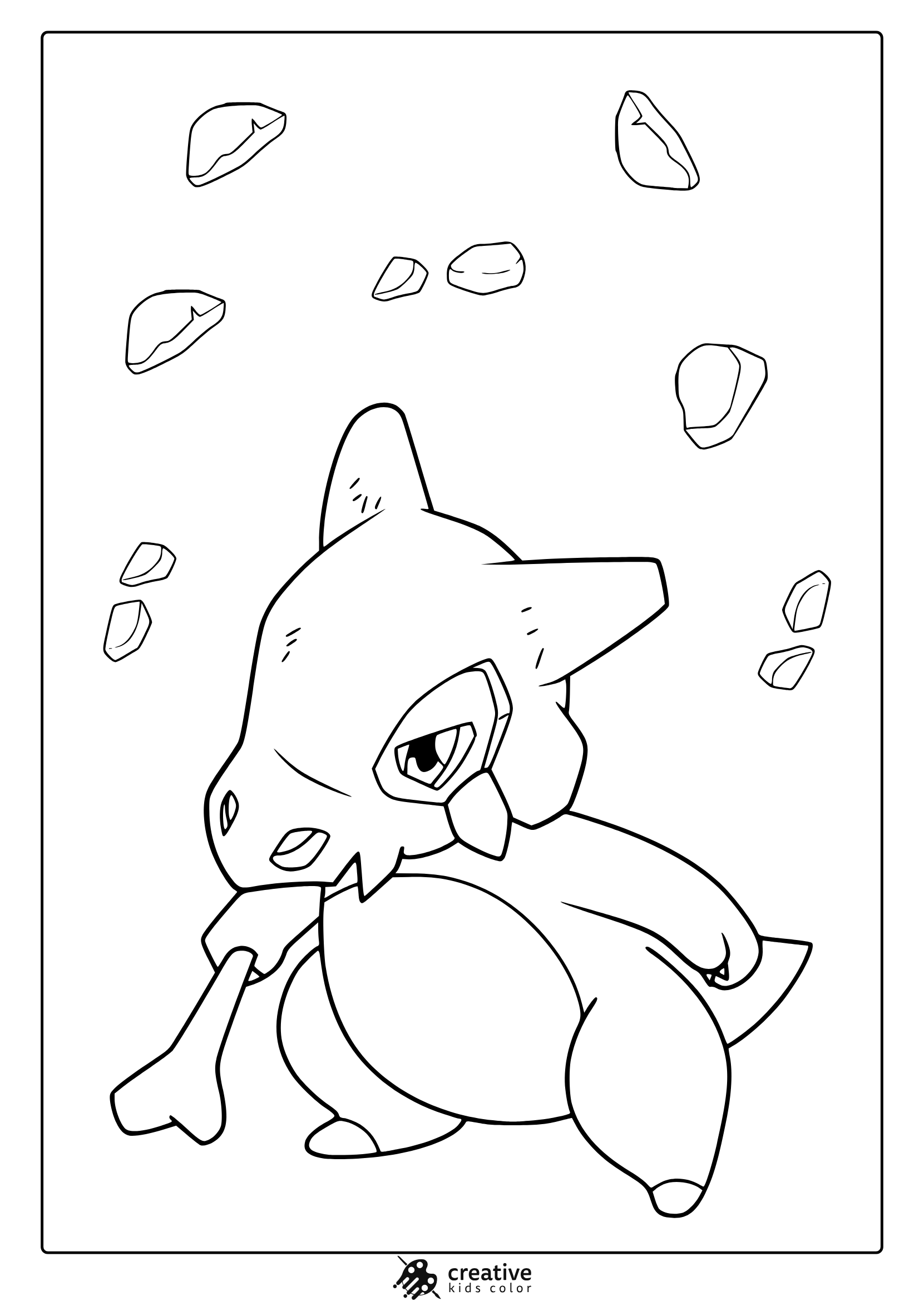
Cubone From Pokemon Coloring Page
Cubone stands calmly sideways with lots of little rocks floating around him.
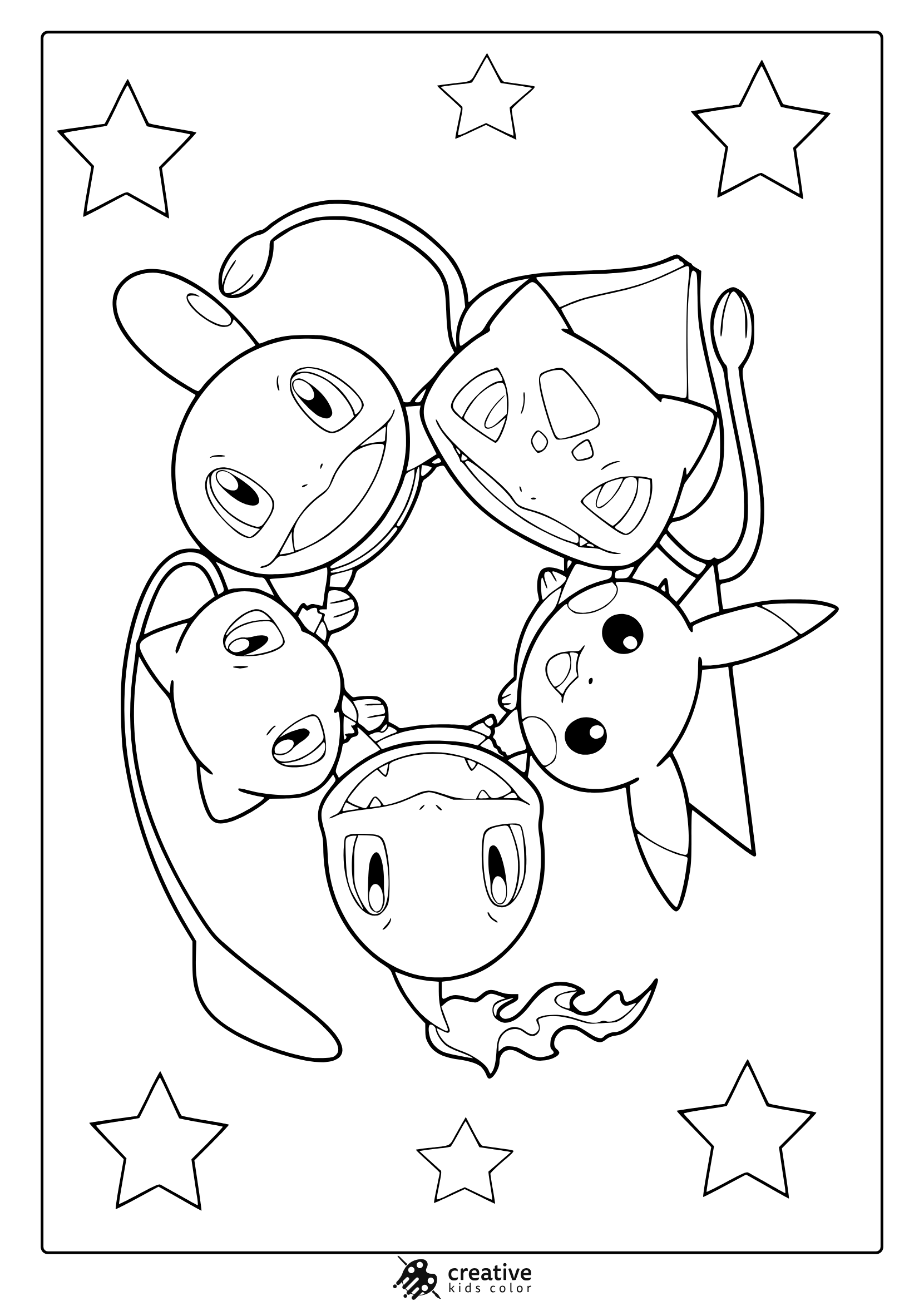
Cute Pokemon Coloring Page
Five little cute pokemon characters all sit together in a circle with stars around them.
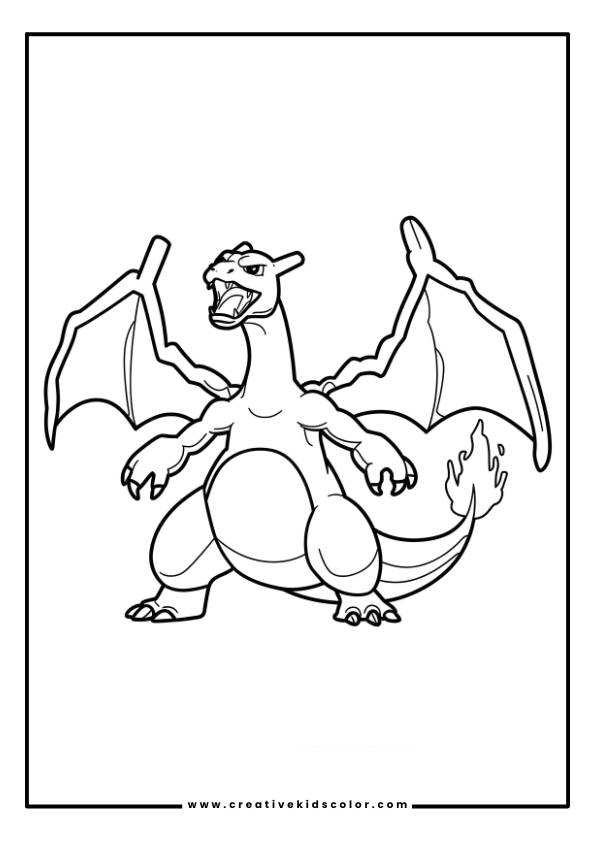
Charizard Pokemon Coloring Page
Charizard strikes a fierce pose with his wings open, big claws and a flaming tail.
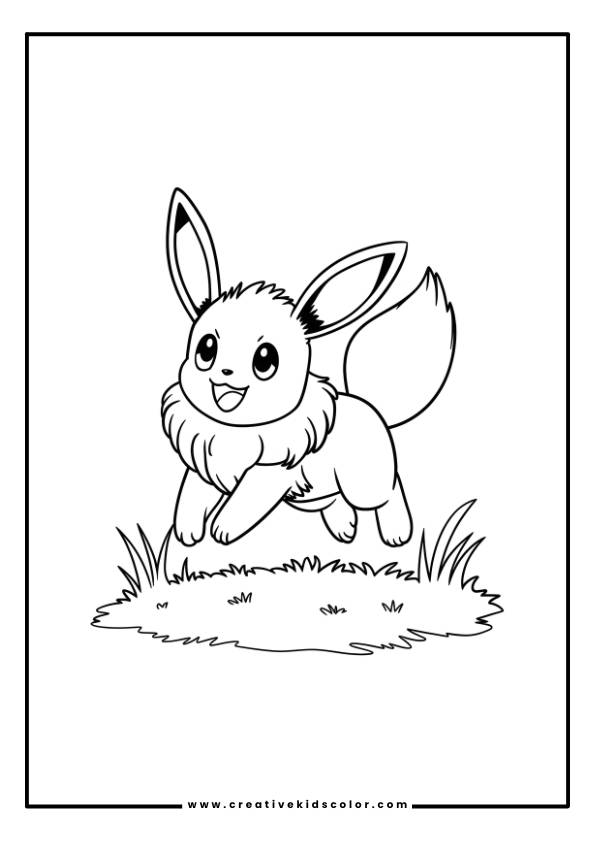
Eevee Pokemon Coloring Page
Eevee jumps over the grass cheerfully with big eyes and his bushy tail up in the air.
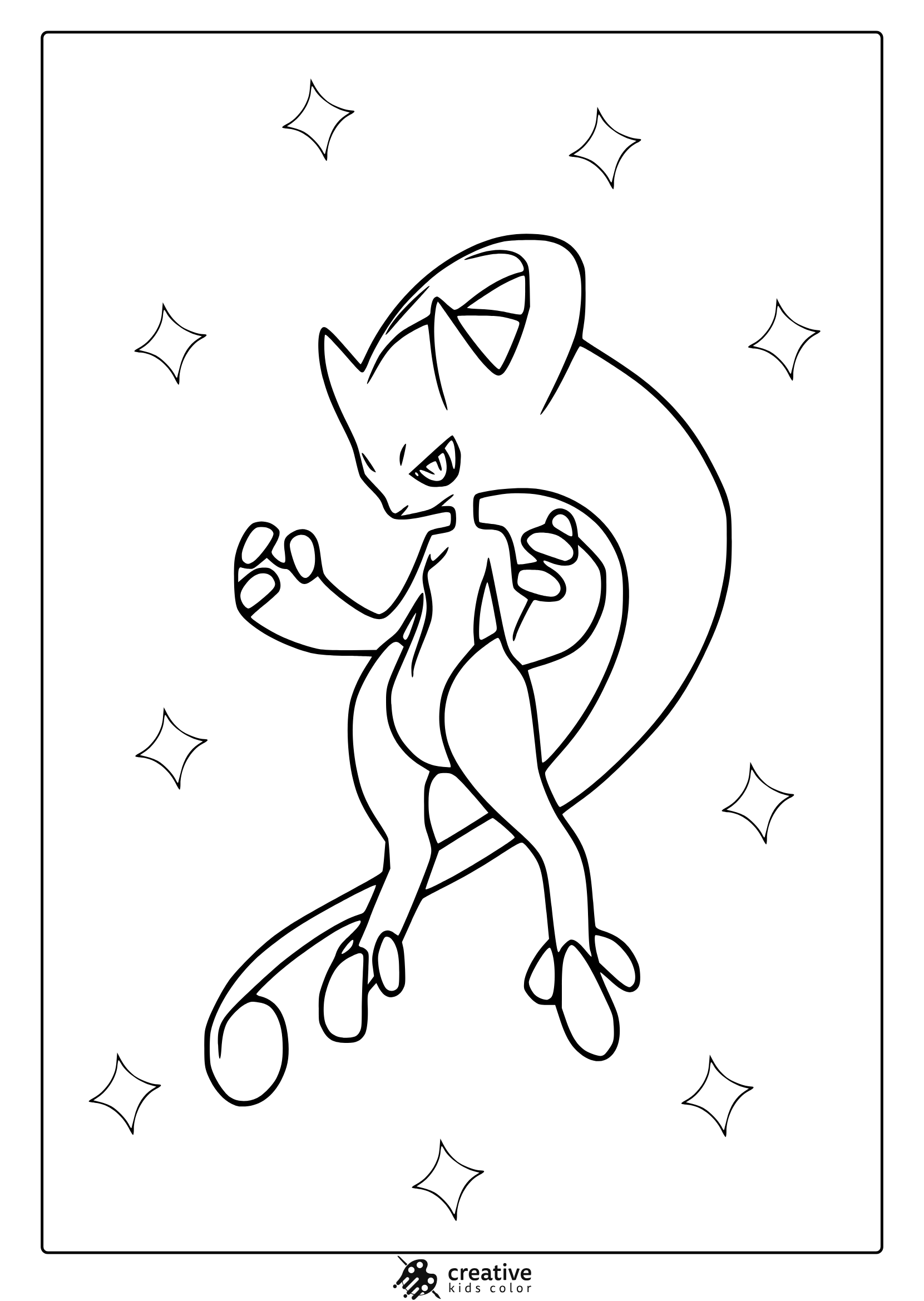
Mega Pokemon Coloring Page (Mega MewTwo)
Mega Mewtwo strikes a strong fighting pose getting ready to battle.
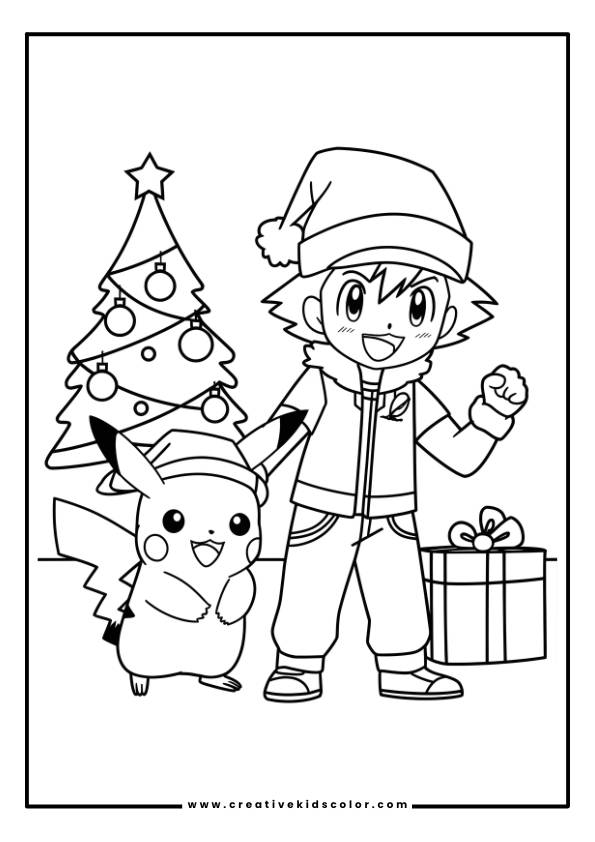
Pokemon Christmas Coloring Page
Ash and Pikachu both wear santa caps next to a christmas tree and some gifts.
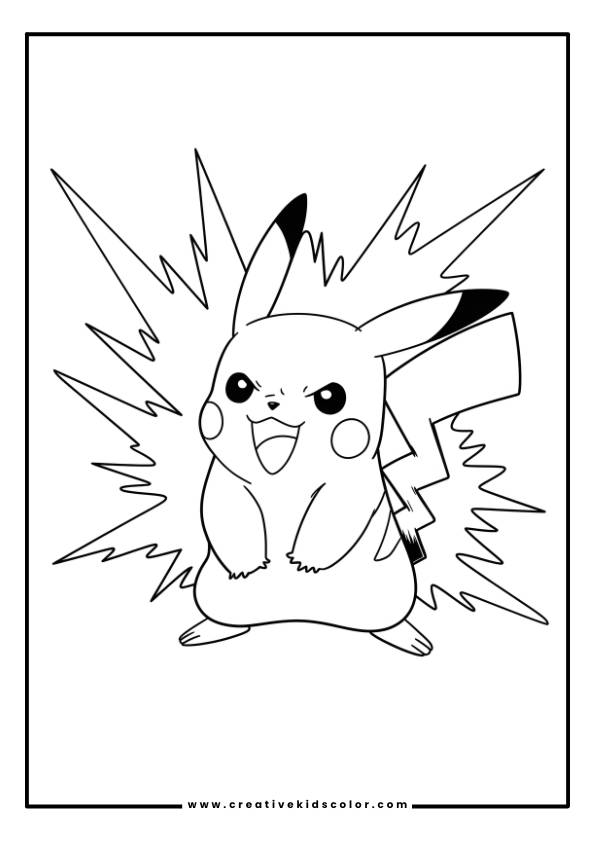
Pokemon Coloring Page Pikachu
Pikachu strikes a super pose while powerful lightning surrounds his body.
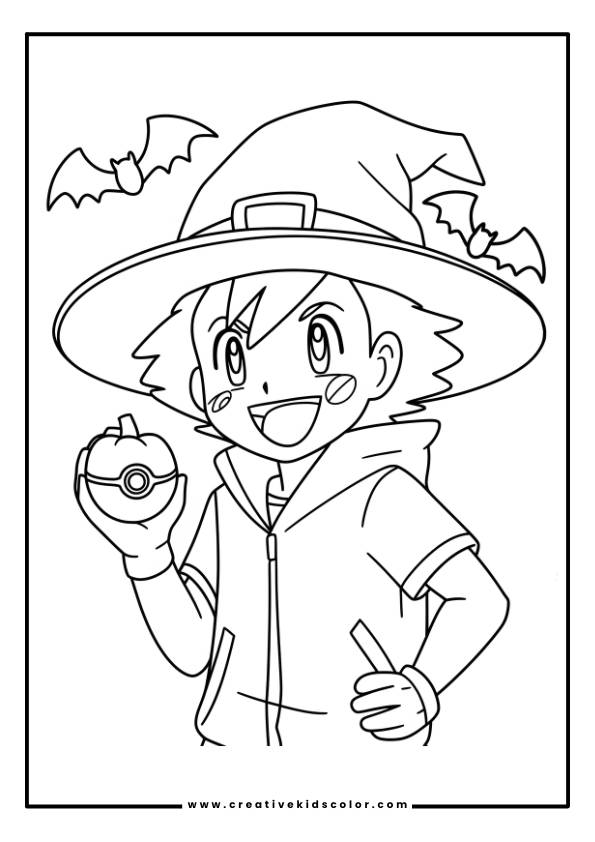
Halloween Pokemon Coloring Page
Ash wears a big wide brimmed hat while holding a round creature with one eye, bats fly by him.
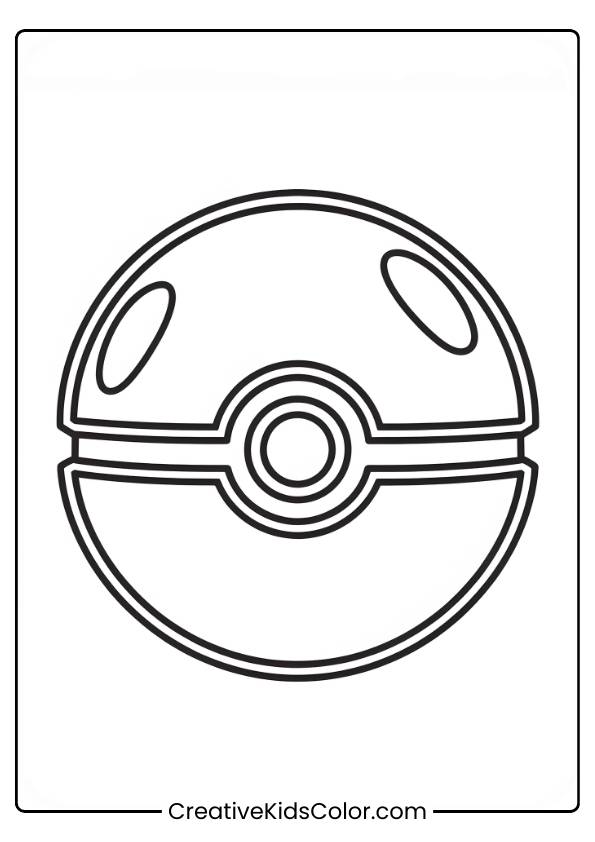
Pokemon Ball Coloring Page
A giant classic pokeball sits in the middle of the page with the round pokeball on it.
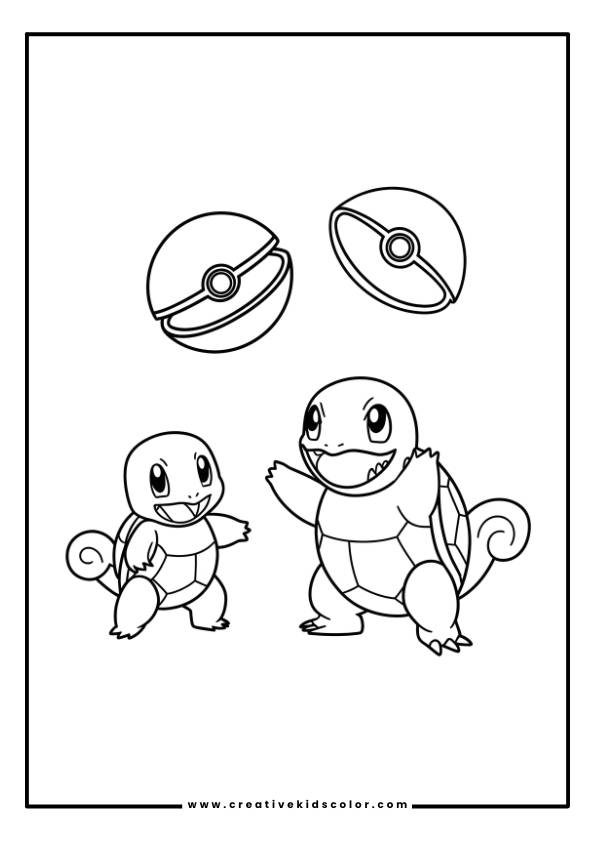
Pokemon Squirtle Coloring Page
Two Squirtles stands together one on his back legs and one on all four legs with pokeballs floating above them.
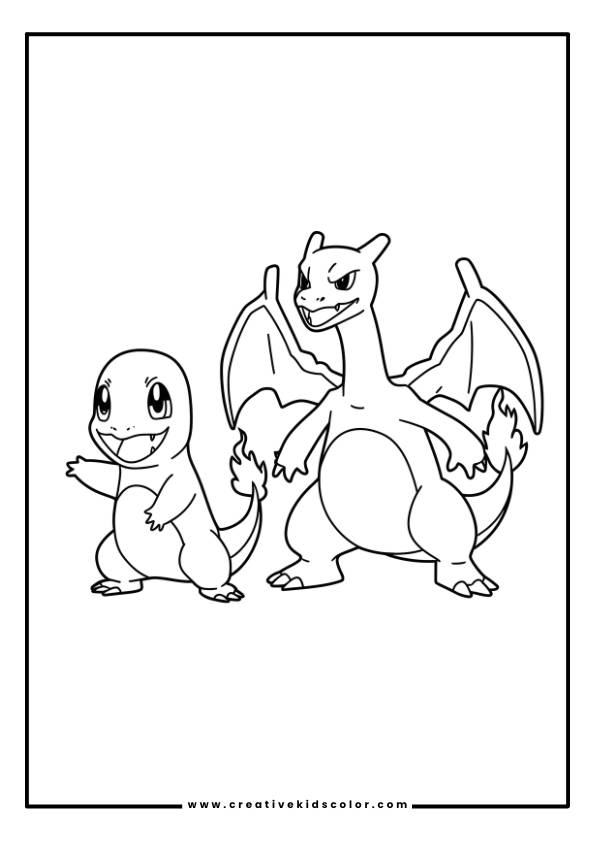
Charmander Pokemon Coloring Page
Charmander and his evolved form Charizard stands together side by side with flames at their tails.
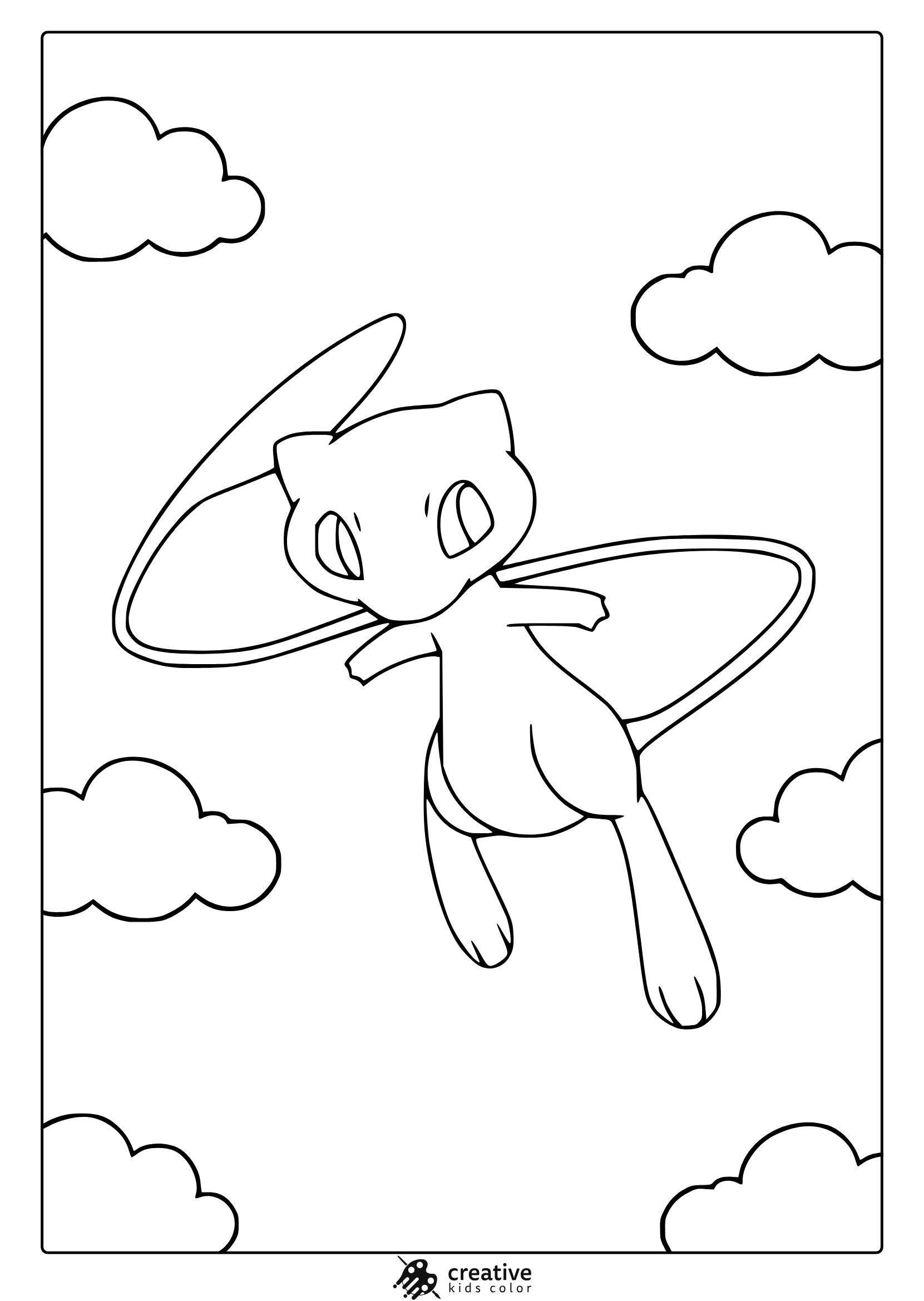
Mew Pokemon Coloring Page
Mew floats peacefully through a fluffy dreamy sky surrounded by clouds.
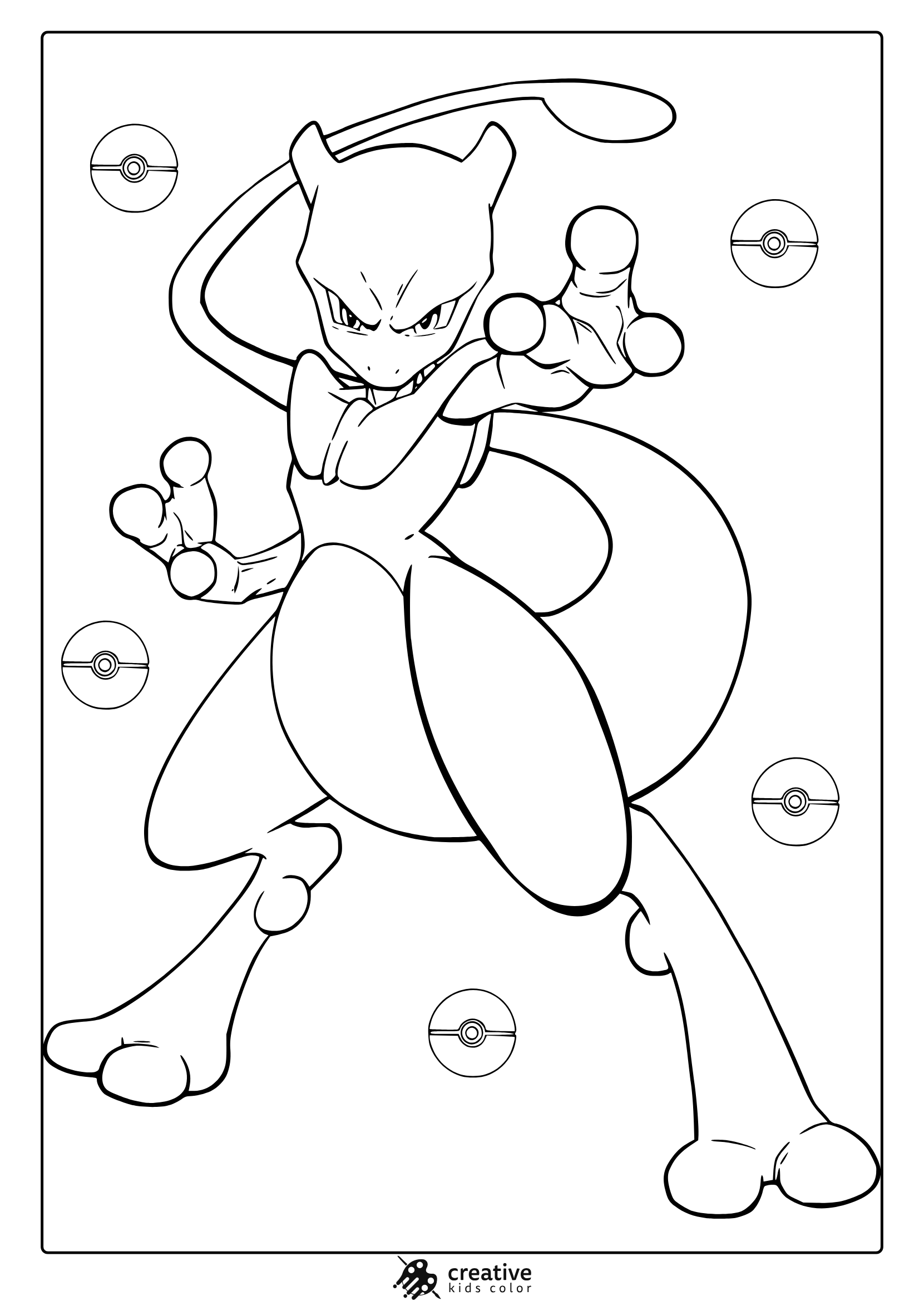
Mewtwo Pokemon Coloring Page
Mewtwo strikes a fierce pose while lots of pokeballs surrounds his body.
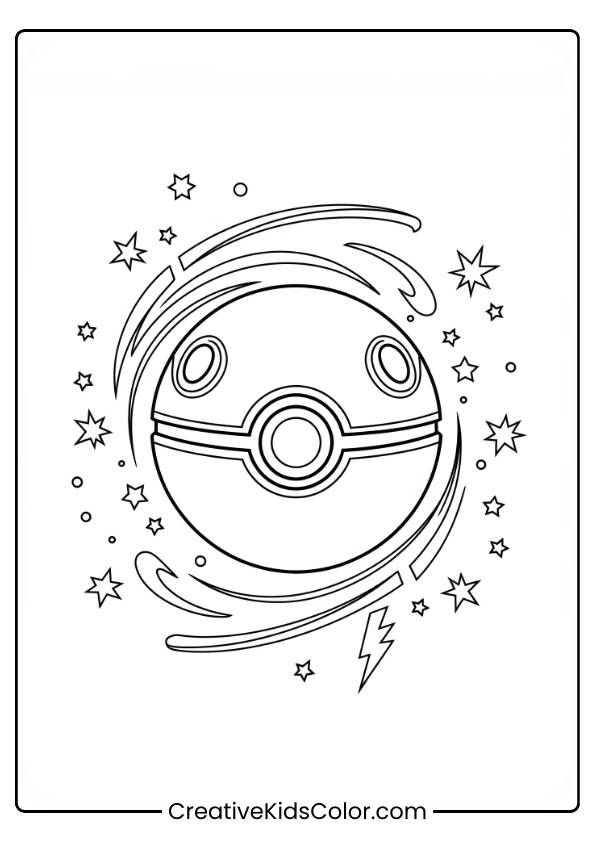
Pokemon Adult Coloring Page
A giant pokeball sits in the middle of an intricate design with lots of swirling patterns.
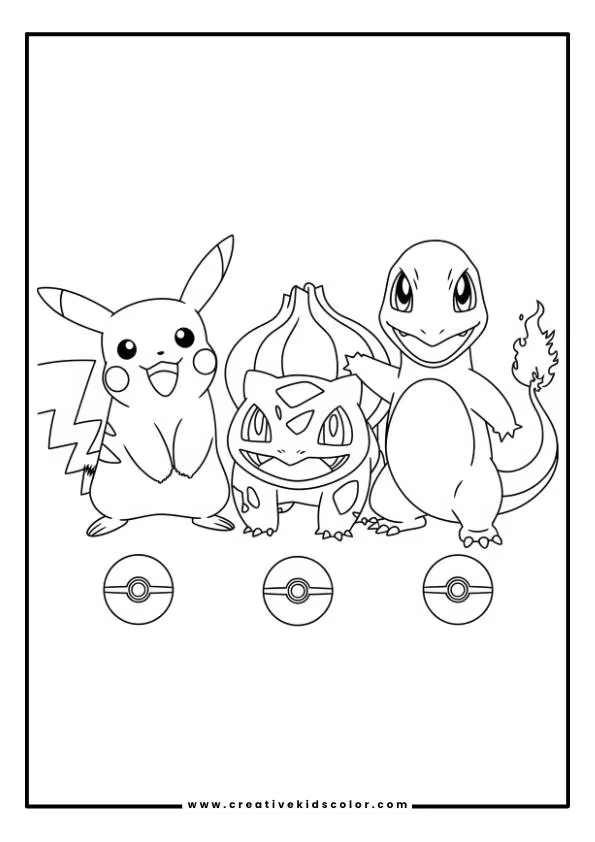
Pokemon Characters Coloring Page
Pikachu, Bulbasaur and Charmander all stand together in a group.
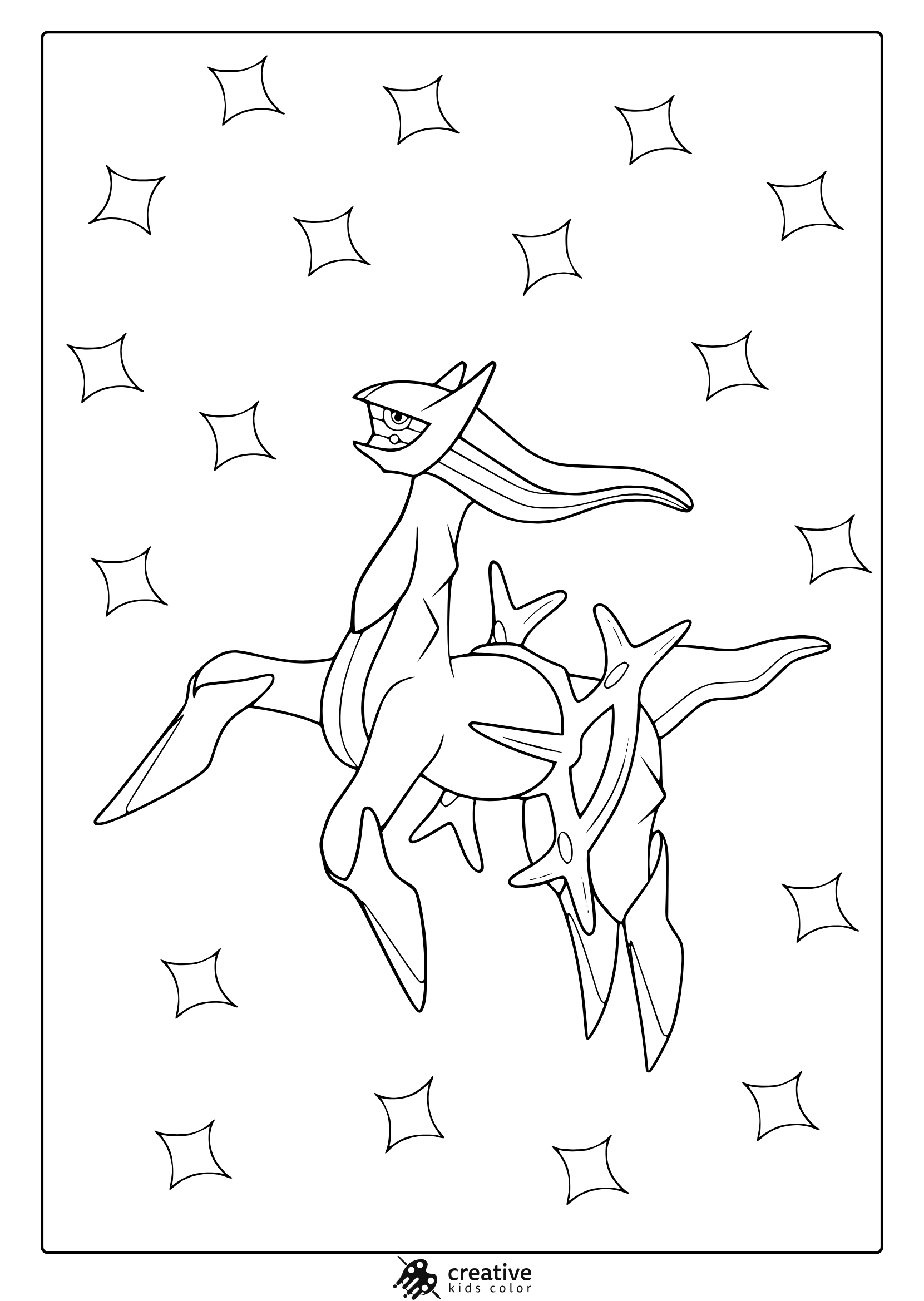
Arceus Pokemon Coloring Page
Arceus stands sideways with stars and powerful forces surrounding his body.
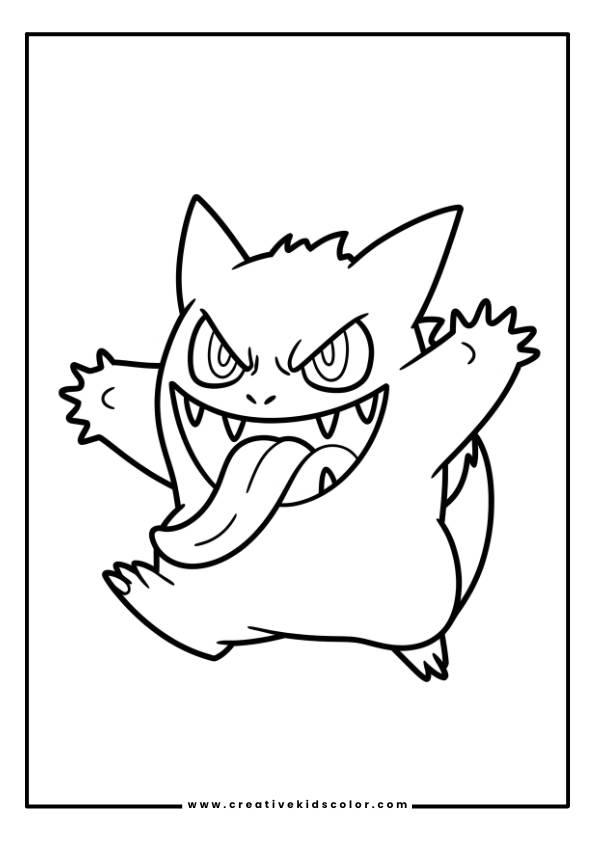
Gengar Pokemon Coloring Page
Gengar plays around with glowing eyes, pointy teeth and a wide grin.
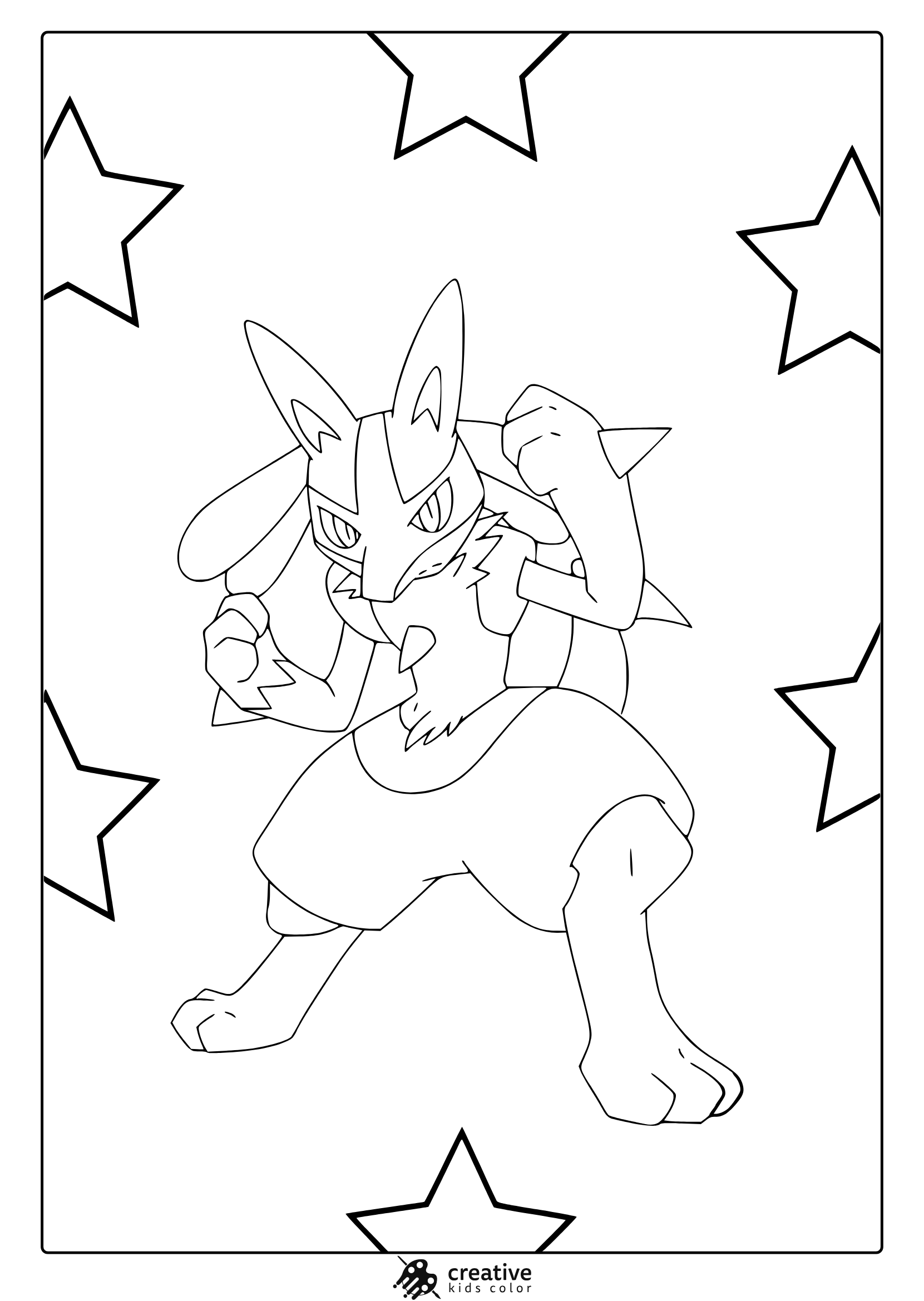
Lucario Pokemon Coloring Page
Lucario strikes a dynamic fighting pose while lots of stars surrounds him.
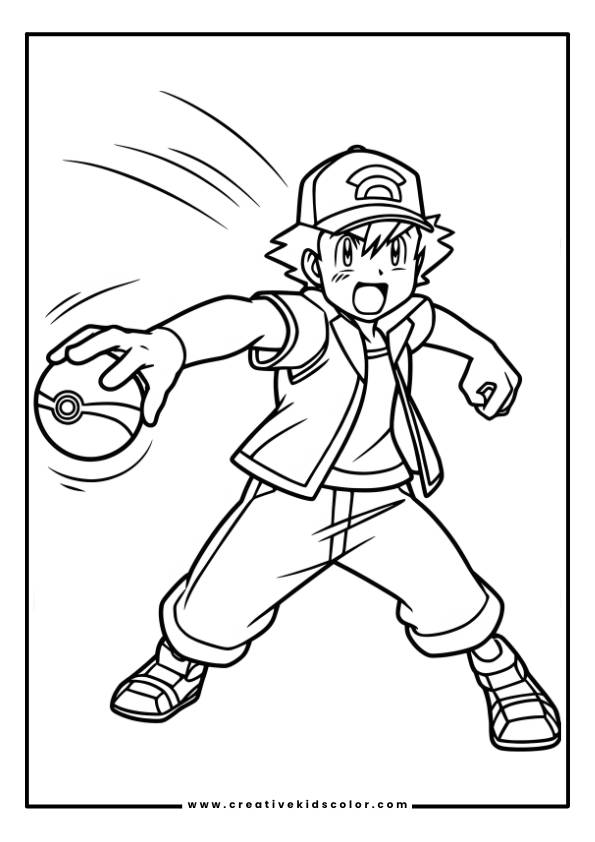
Pokemon Coloring Page Pokeball
Ash wears his cap and gets ready to throw a pokeball in a powerful pose.
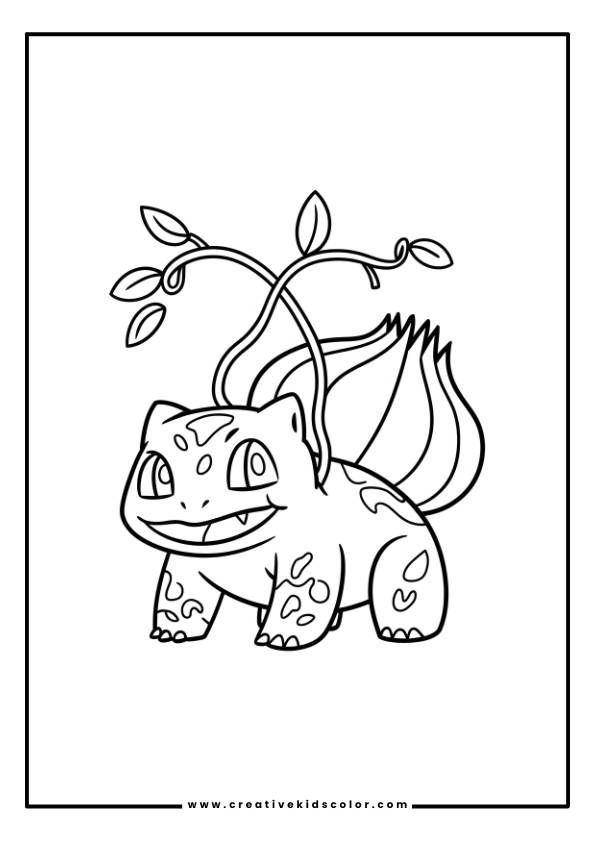
Bulbasaur Pokemon Coloring Page
Bulbasaur stands there with a round body, big eyes and a broad happy smile.
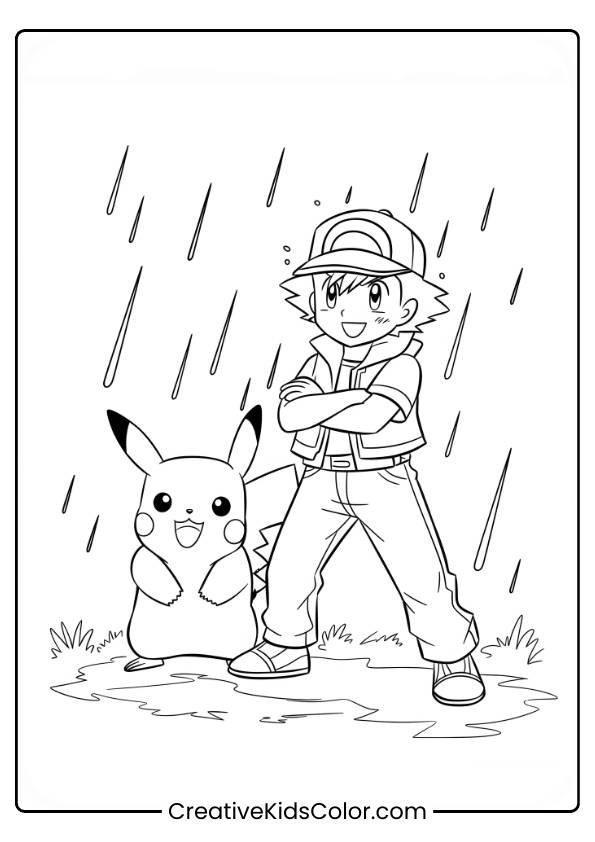
Ash Pokemon Coloring Page
Ash stands proudly next to Pikachu outside with raindrops falling around them.
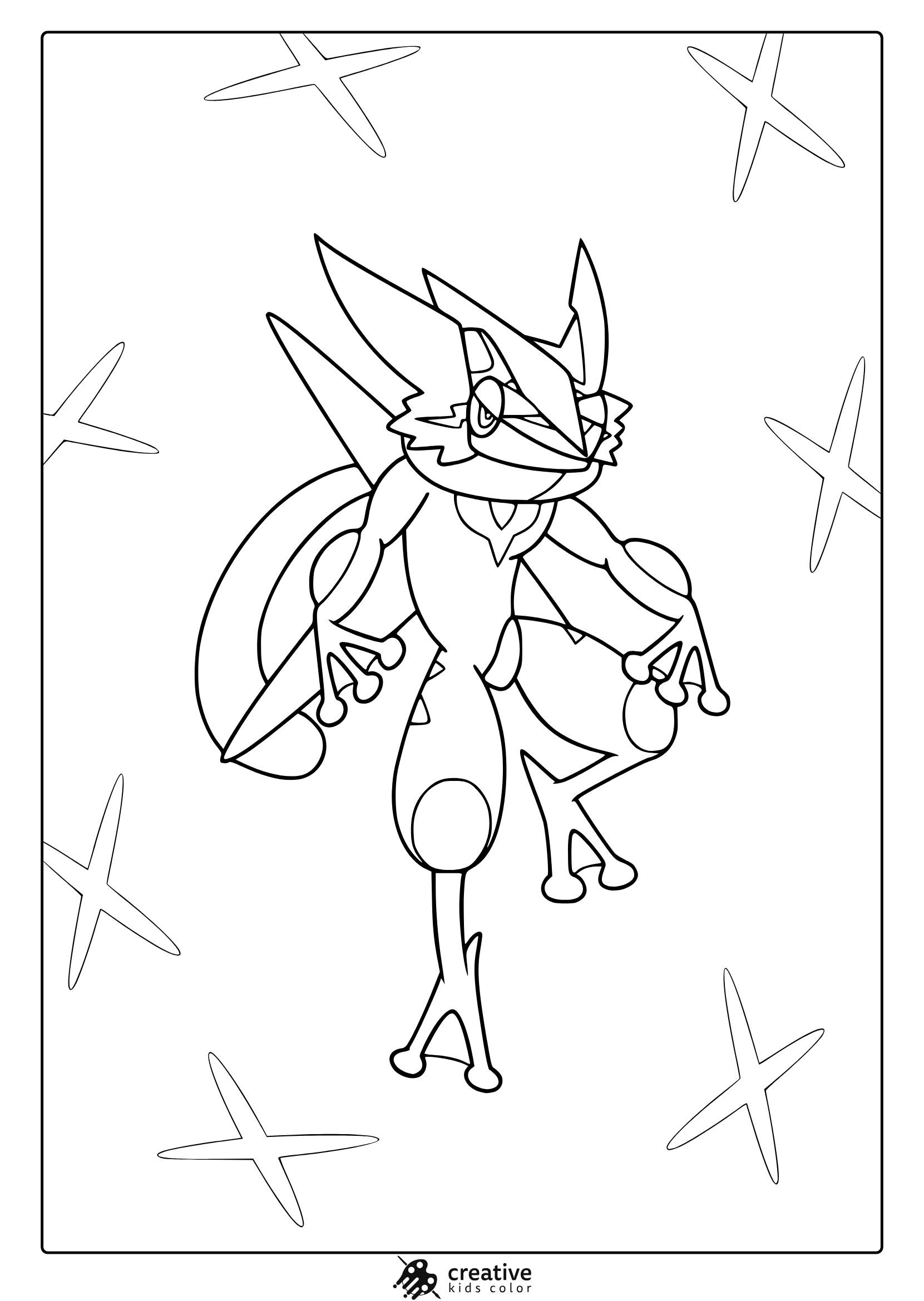
Greninja Pokemon Coloring Page
Greninja strikes a sleek fighting pose with lots of patterned shapes in the background.
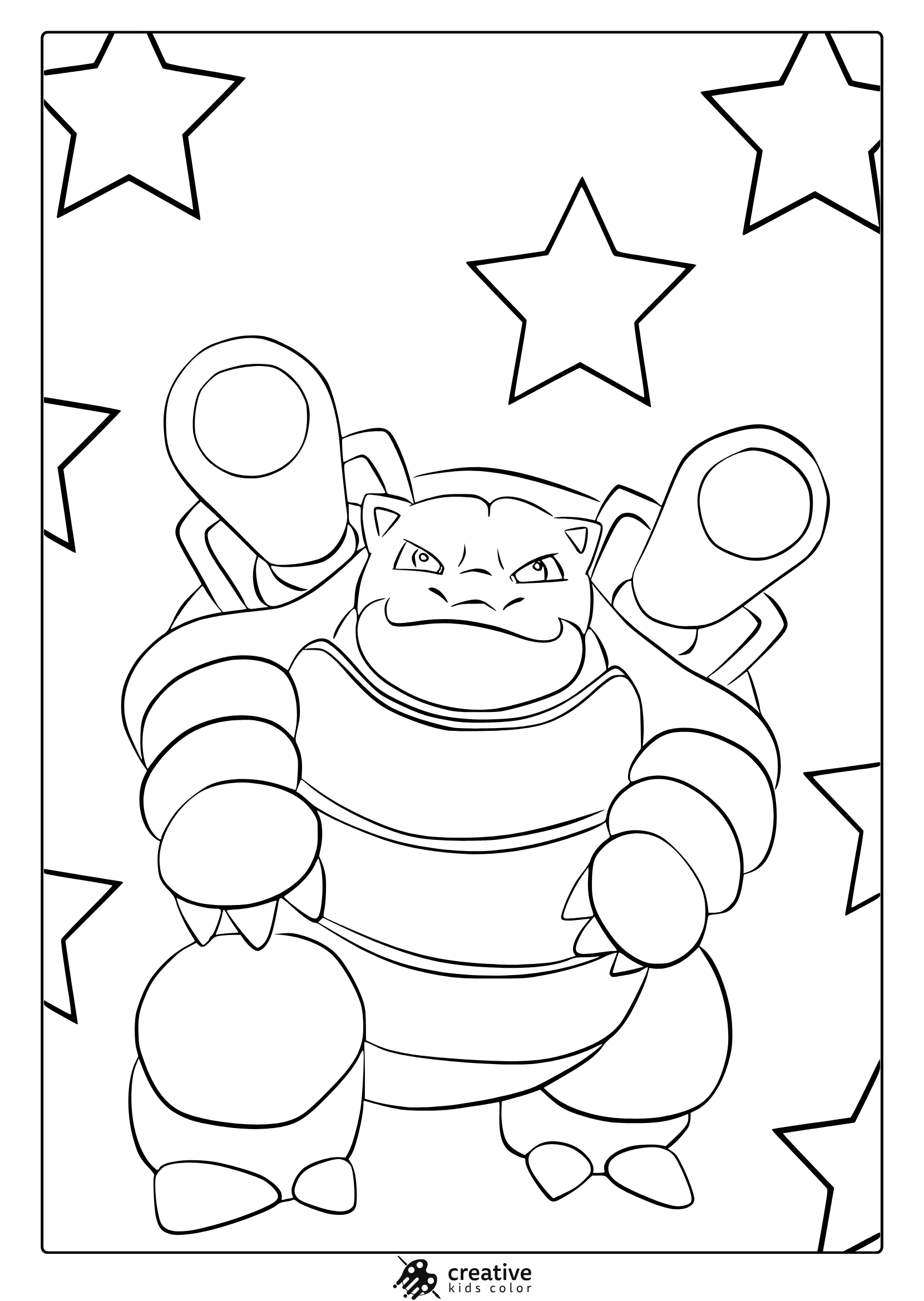
Blastoise Pokemon Coloring Page
Blastoise stands tall in a bold frame decorated with spiral patterns and stars.
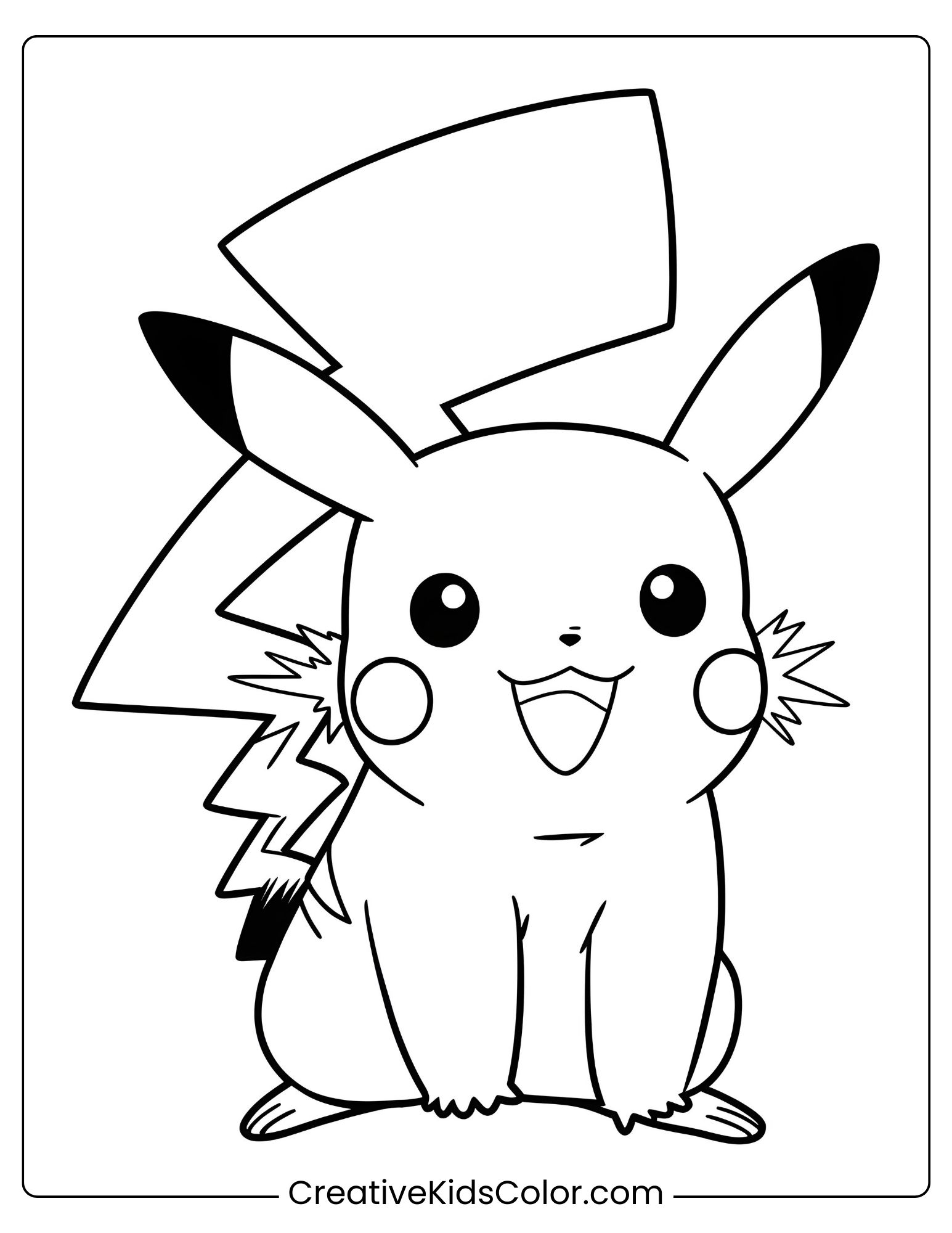
Pokemon Pikachu Coloring Page
Pikachu sits there cheerfully with a long tail shaped like lightning sticking up behind him.
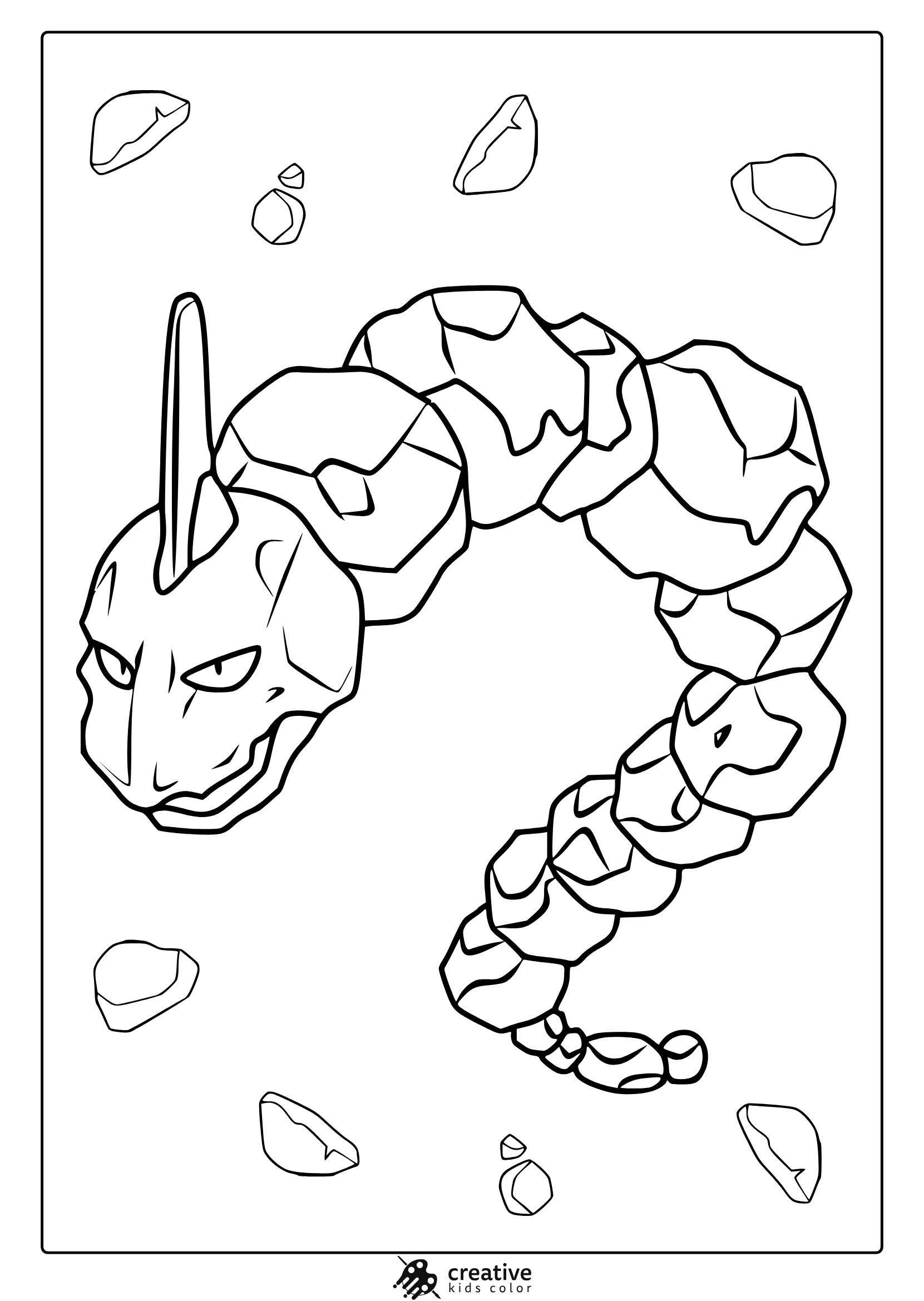
Pokemon Onix Coloring Page
Onix winds his long snake like body around some floating rocks.
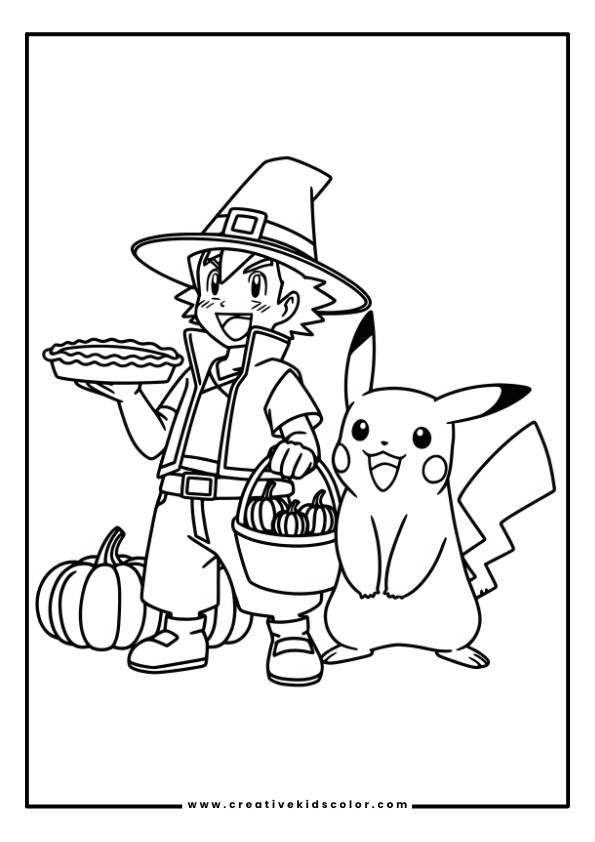
Pokemon Thanksgiving Coloring Page
Ash wears a wizard hat and holds a pie beside Pikachu and a bunch of giant pumpkins.
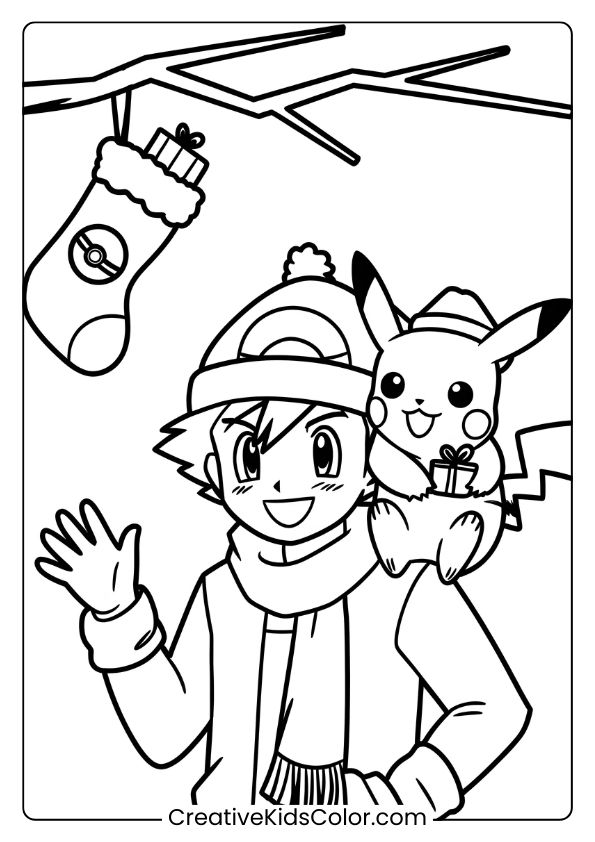
Christmas Pokemon Coloring Page
Ash & Pikachu celebrates christmas day with warm clothing and a holiday stocking nearby.
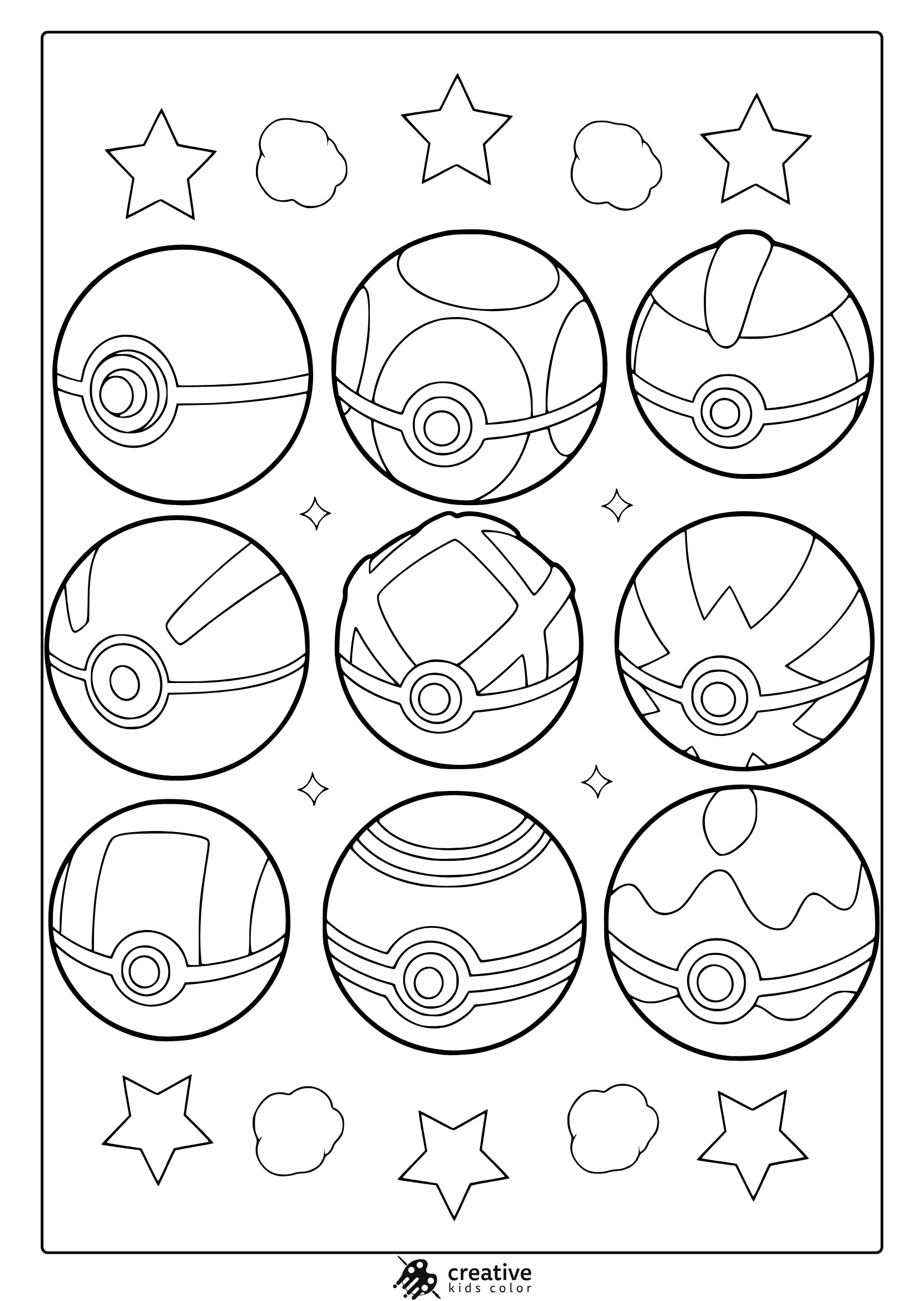
Pokeballs From Pokemon Coloring Page
Nine different pokeballs hangs around in a square formation with stars and clouds surrounding them.
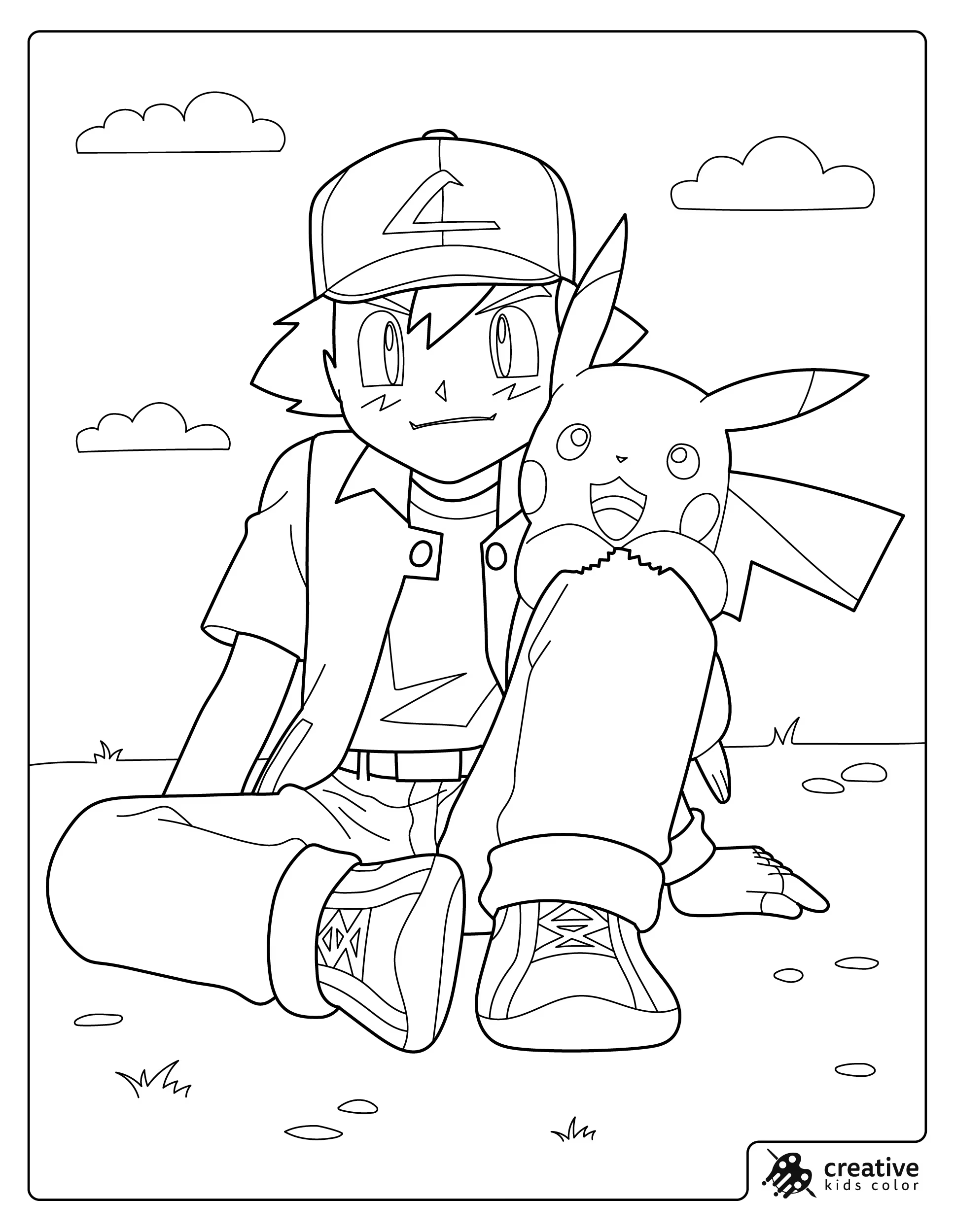
Ash and Pikachu Coloring Page
Ash & Pikachu sits together on the grassy floor enjoying the sunny day.
Coloring Your Favorite Pokemon
Due to their bold and colorful designs, many Pokemon have become iconic throughout the franchise. However, that does not mean you are locked into those colors either! With some different colors, you could create a version of the character that is uniquely yours!
In many cases, there is just one specific thing that defines a Pokemon, so it is always a good idea to start with those details! These could include things like Pikachu’s cheeks, Charmander’s flame, or Bulbasaur’s spots. Once you have those set, you can move on to the bigger parts of their design and the background.
With the more complex designs, it is a good idea to start with the big parts first and leave the faces and intricate details for later. That way, you can ensure that the outlines are much easier to see in the final result, especially on Pokemon like Charizard, Lucario, and Greninja.
If you enjoyed these free Pokemon coloring pages, be sure to share the post on your favorite social media platform or leave a comment below! We would also appreciate any recommendations for future coloring sheets, as we always want to leave room for one more in the Pokédex!
I like your color pages