Spongebob Coloring Pages
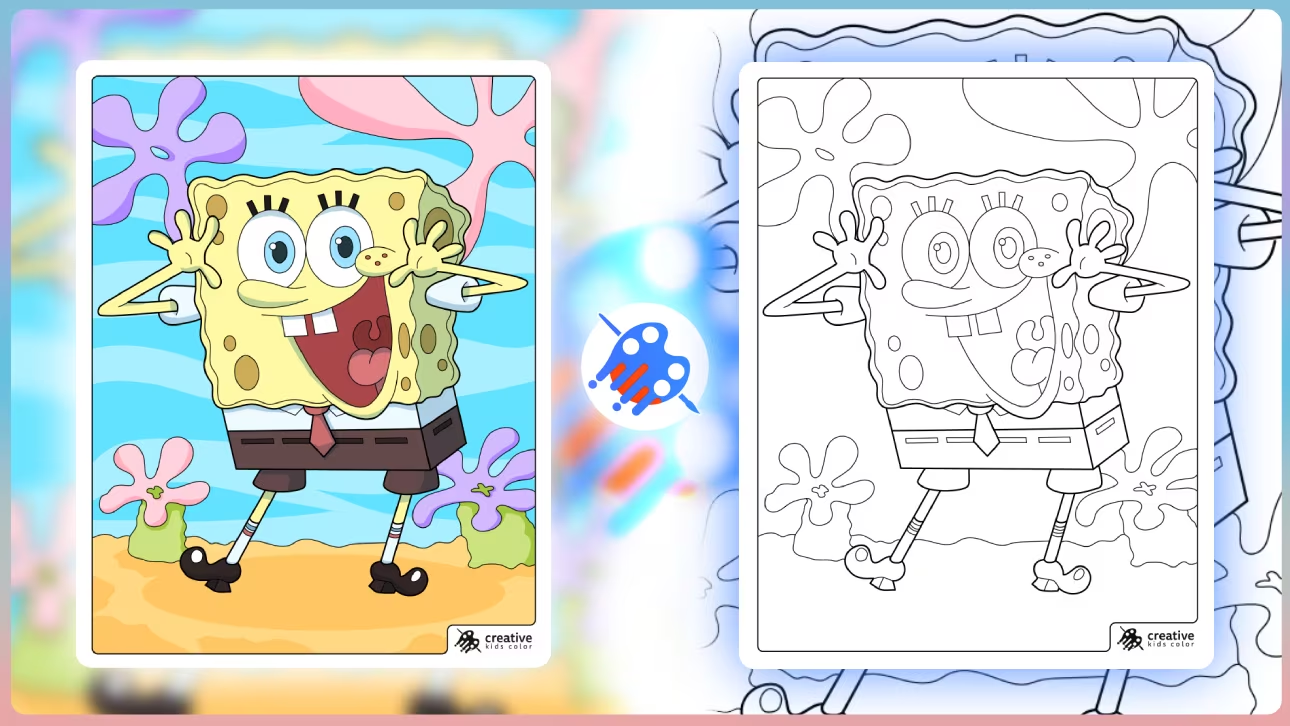
Life in Bikini Bottom can always throw some surprises before SpongeBob even leaves his pineapple house. Be it jellyfishing, working at the Krusty Krab or getting tricked by one of Patrick’s ideas, all of that may turn SpongeBob’s day completely upside down! Are you ready to have your own adventure?
We have captured some of these fun moments in more than 35 SpongeBob printable coloring pages for kids and adults. From simple drawings to those full of intricate details, you will find pages with various levels of detail that include many beloved characters as well as bubbles, jellyfish, coral and other amazing things found in Bikini Bottom!
You will find Patrick, Squidward, Sandy, Mr. Krabs, Plankton, Gary, Pearl and many other familiar faces. Not to forget about King Neptune, the Flying Dutchman, Larry the Lobster and other inhabitants of Bikini Bottom! Are you going to start your coloring page adventure right at the Krusty Krab or maybe in the Jellyfish Fields?
So, put down that jellyfishing net and get your coloring tools ready, because we have a fun filled printable SpongeBob coloring page waiting for you! Just choose the image you like and click on it or on the PDF download button below to get the full size version of this SpongeBob printable coloring page! You can print the image right away or save it on your device. All of our free printable SpongeBob coloring pages are perfect for US Letter size, and will also print beautifully on A4 paper.
Free Printable SpongeBob Coloring Pages
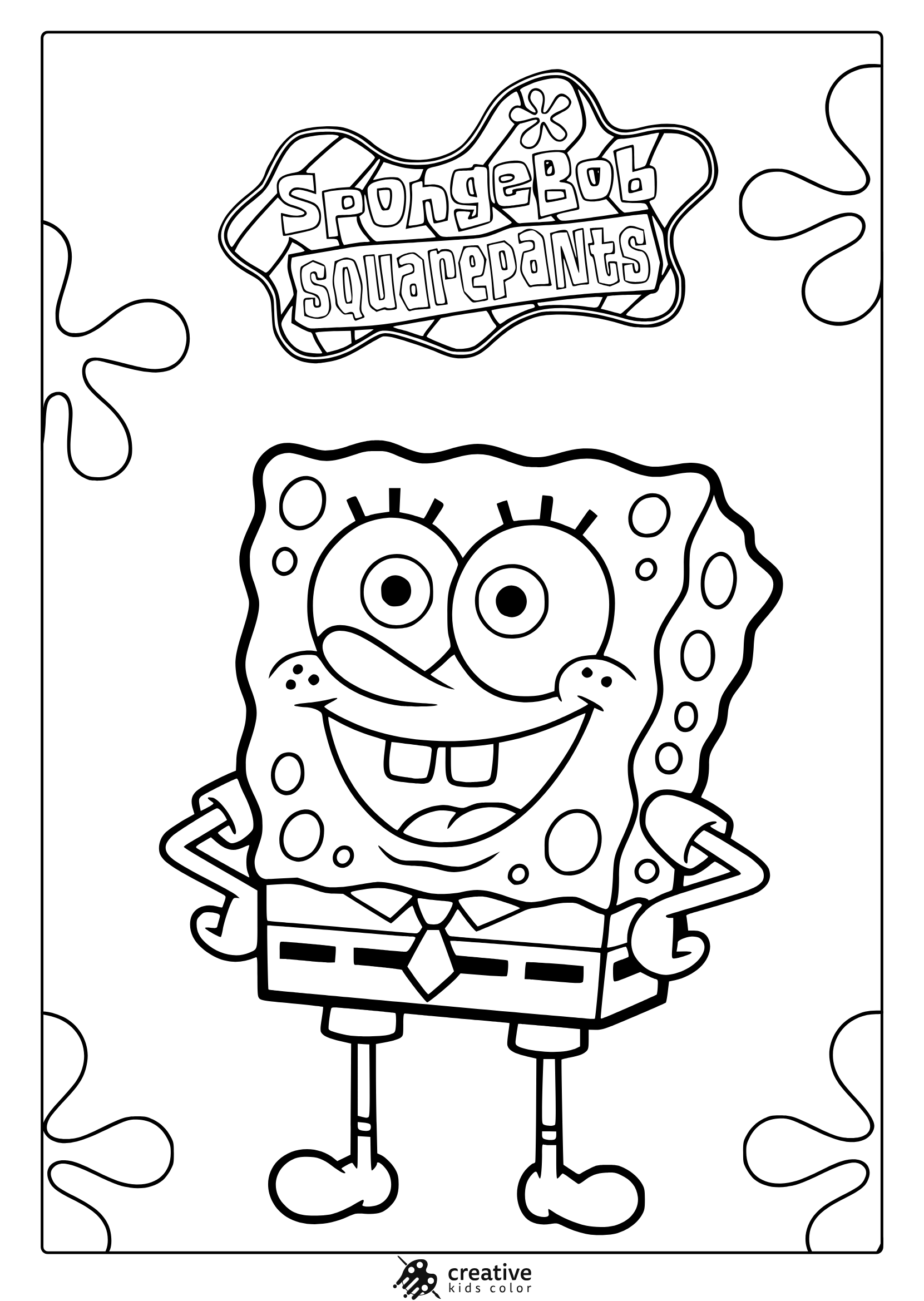
SpongeBob SquarePants Coloring Page
Bring home the beloved SpongeBob character in this classic pose.
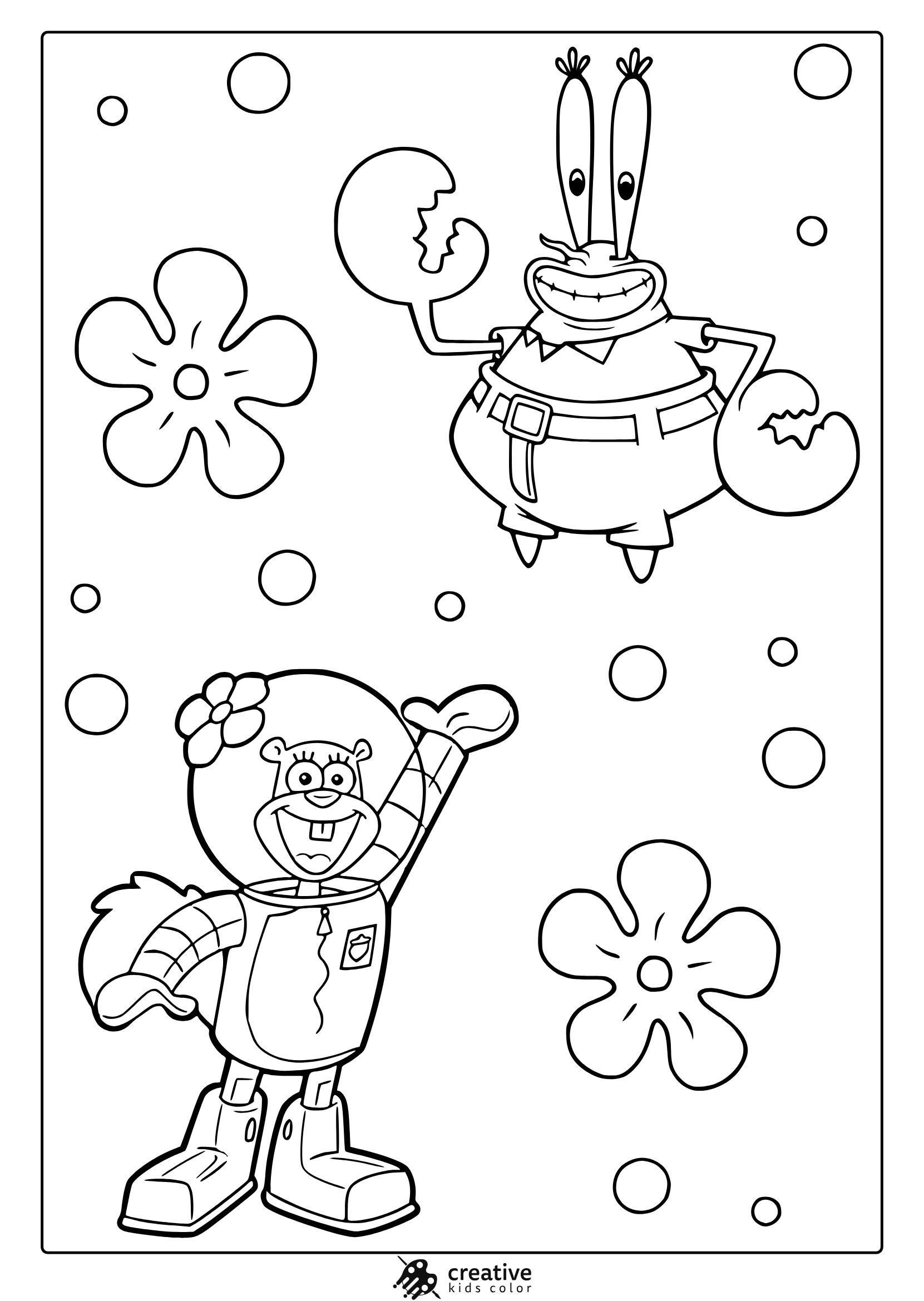
Sandy The Squirrel and Mr. Krabs Coloring Page
Sandy and Mr. Crabs can be seen adding flavor and energy to this fun SpongeBob themed image.
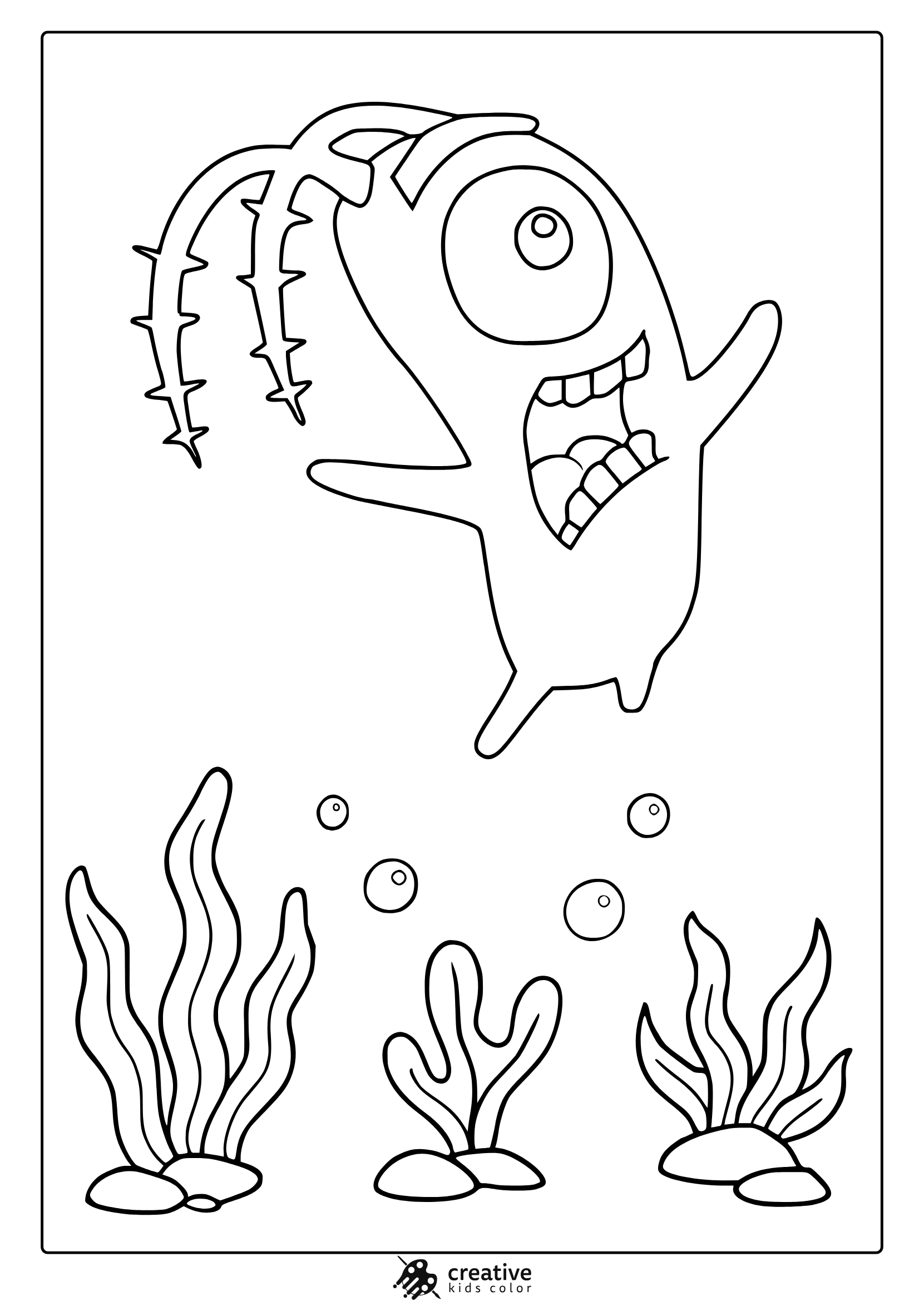
Plankton Coloring Page
Join Plankton in the deep waters of the sea with bubbles and seaweed surrounding him.
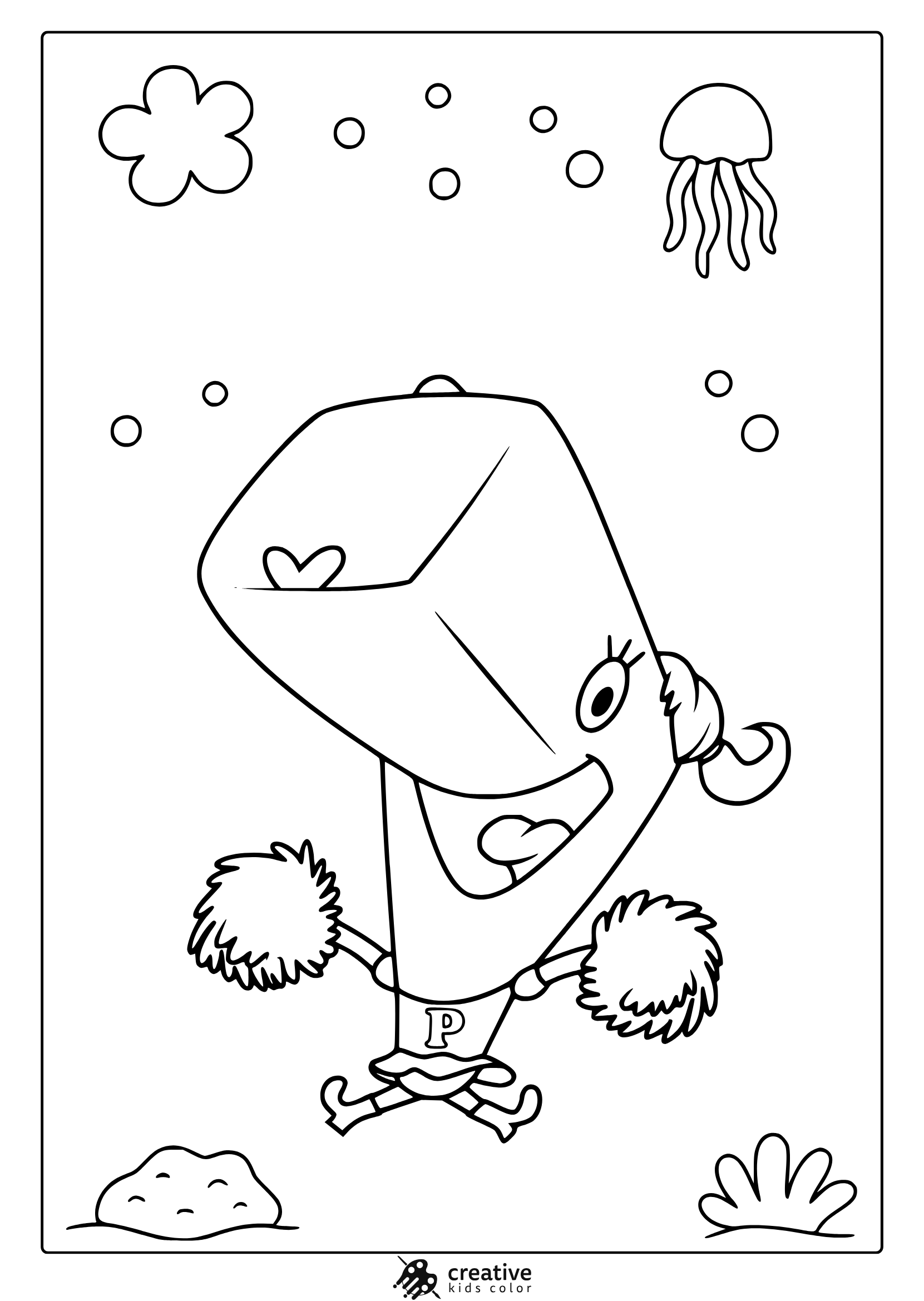
Pearl Krabs Coloring Page
Give Pearl Krabs some color in this fun underwater scene with bubbles and jellyfish.
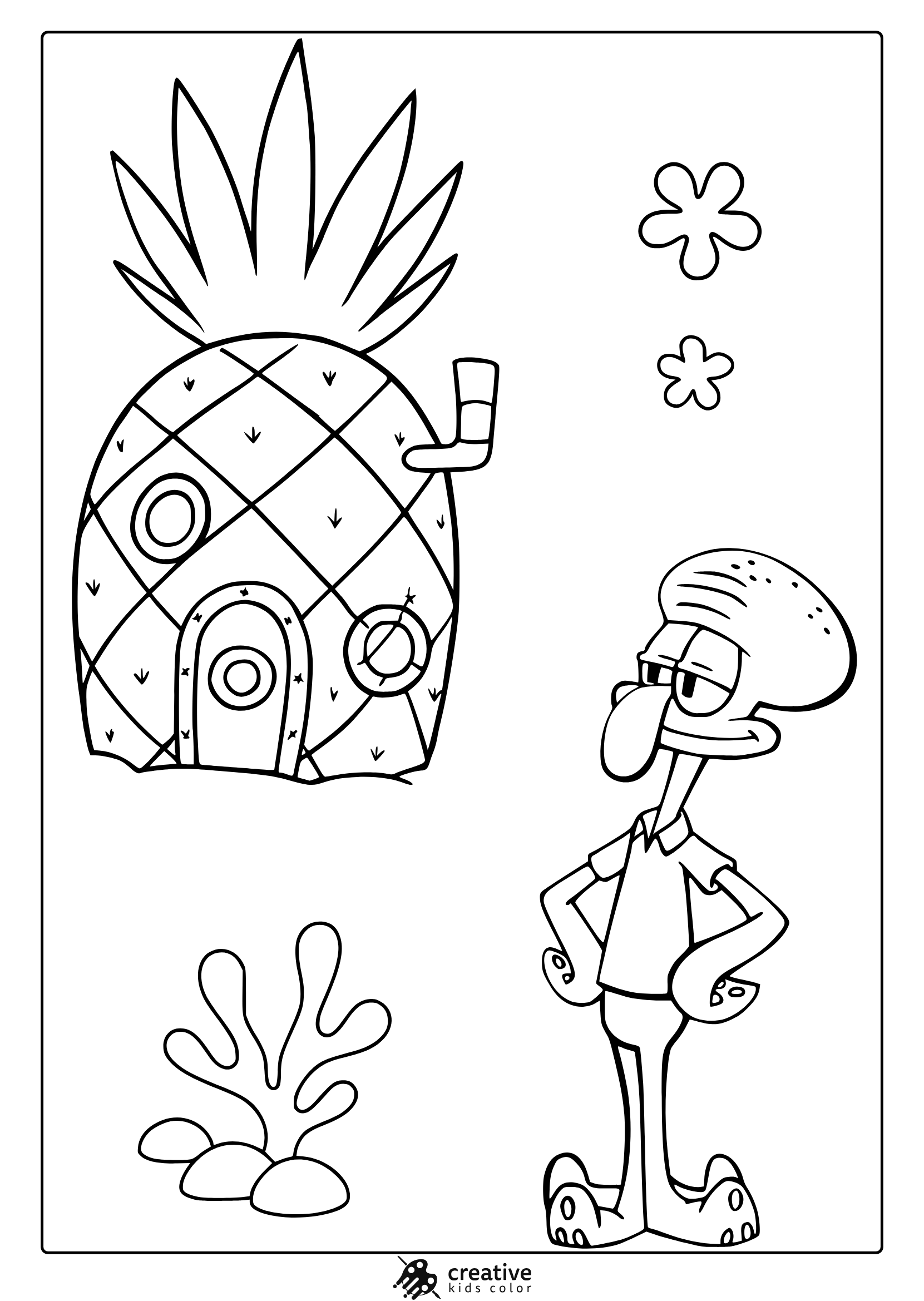
Squidward and Pineapple House Coloring Page
Discover the fun world of Squidward just outside of SpongeBob’s pineapple home in the famous Bikini Bottom.
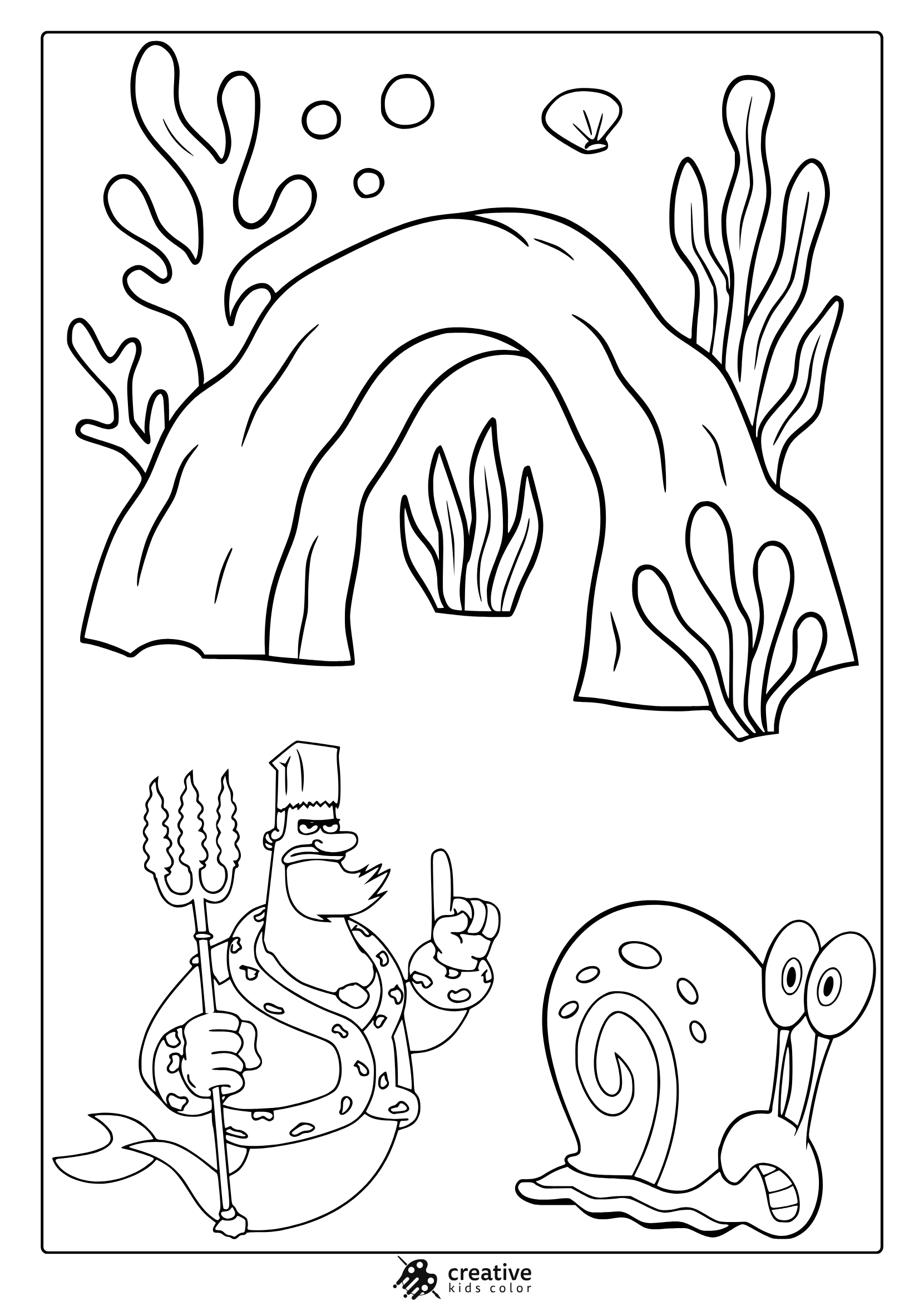
Angry King Neptune and Gary The Snail Coloring Page
Have fun bringing King Neptune’s moody look and Gary the snail’s lovable look to life under the sea.
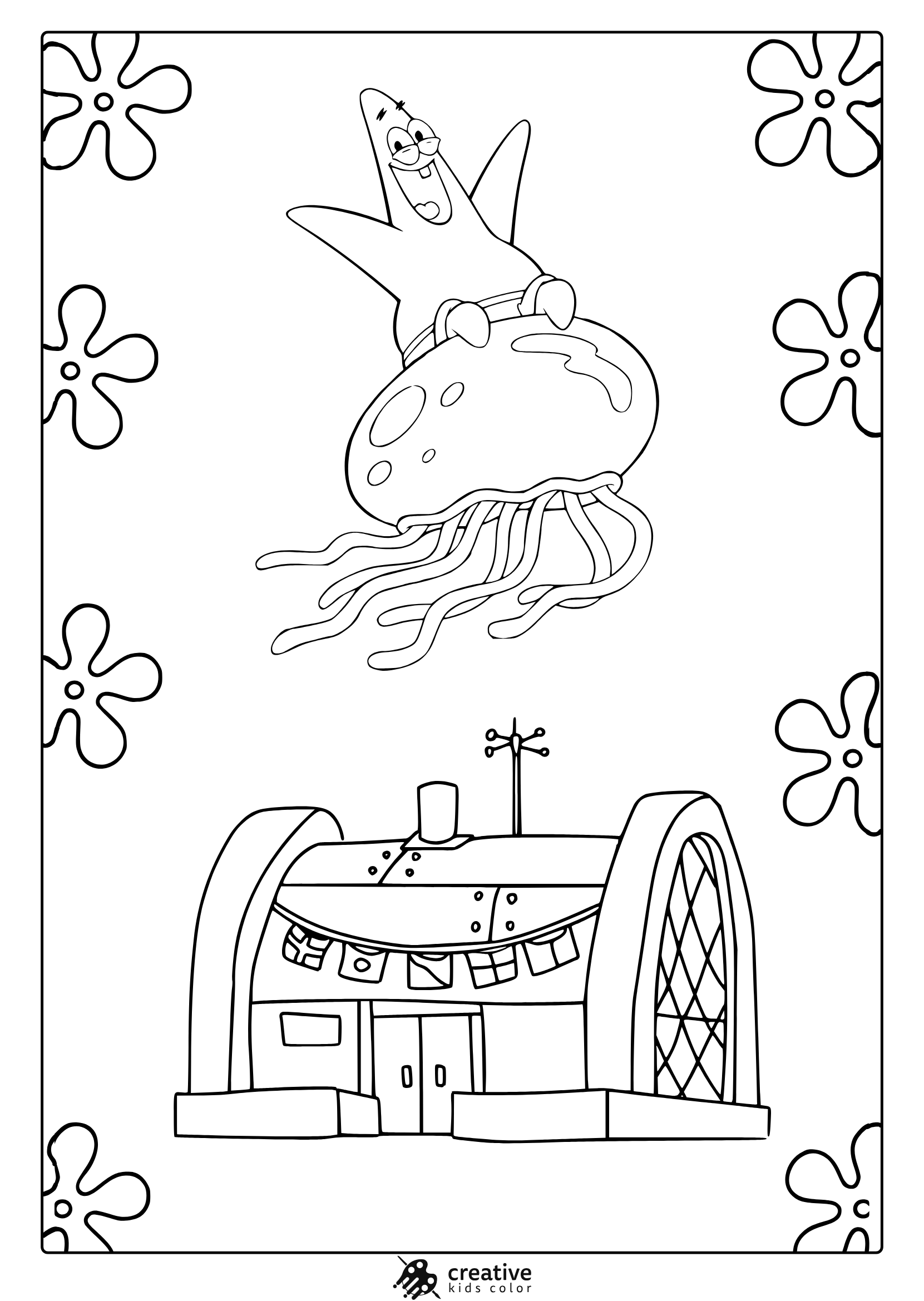
Patrick The Starfish and Krusty Krab Restaurant Coloring Page
Enjoy this picture of Patrick floating above the Krusty Krab with all the color needed for a fun filled day.
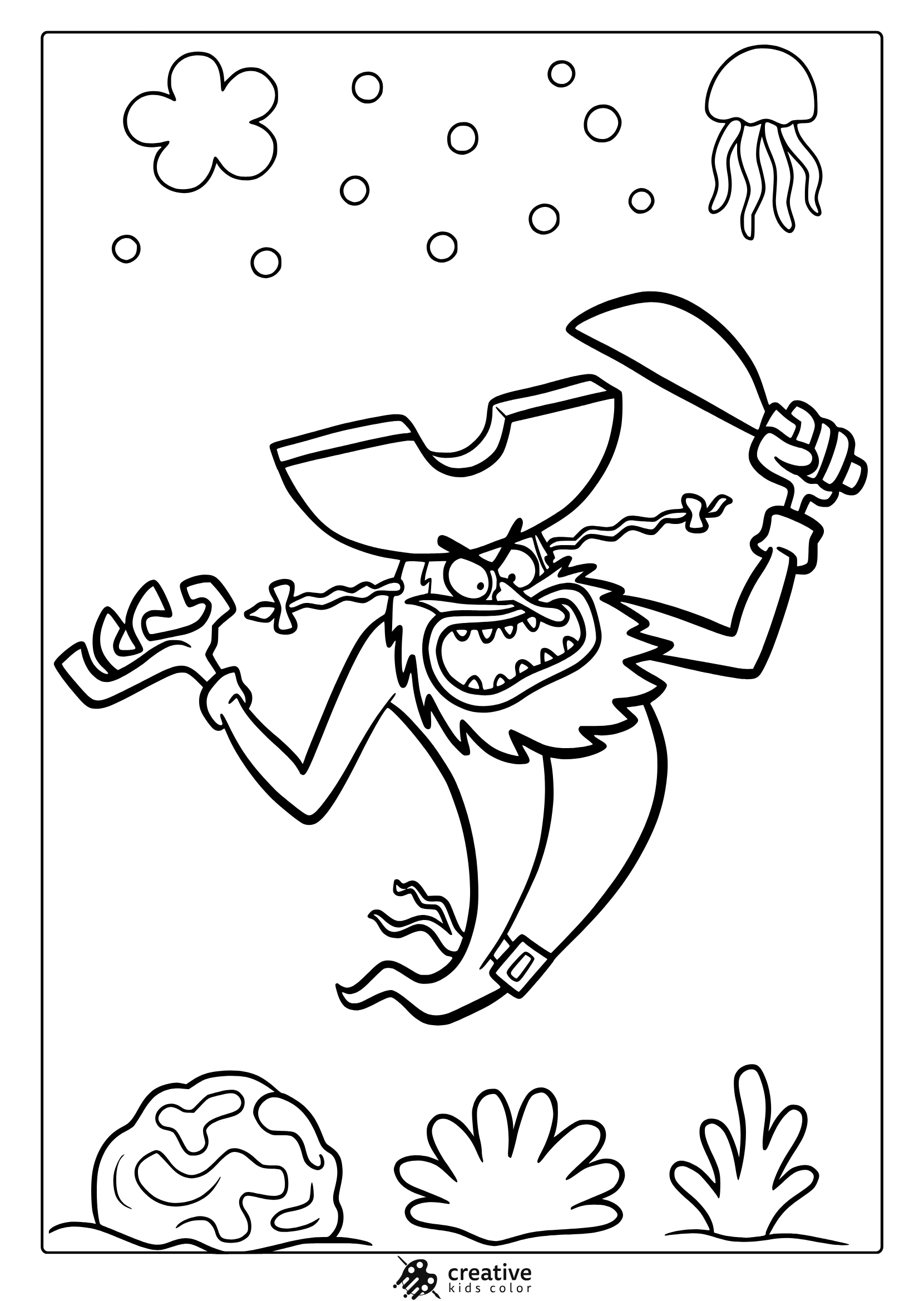
Flying Dutchman Coloring Page
This exciting pirate inspired scene gives you the chance to bring the Flying Dutchman to life in the deep waters of the sea.
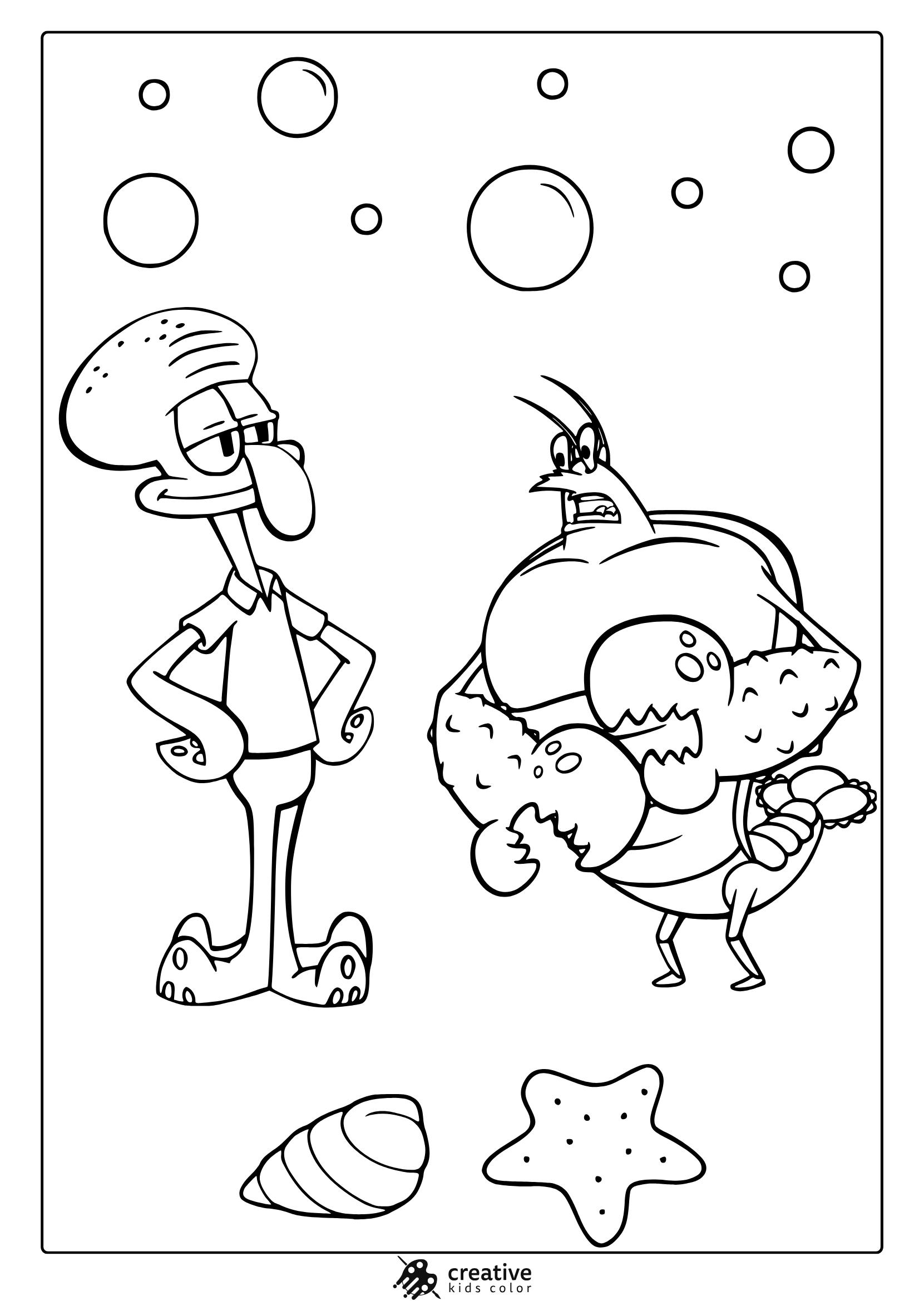
Larry The Lobster and Squidward Coloring Page
Get ready to have fun underwater with Larry the Lobster and Squidward in this fun coloring adventure.
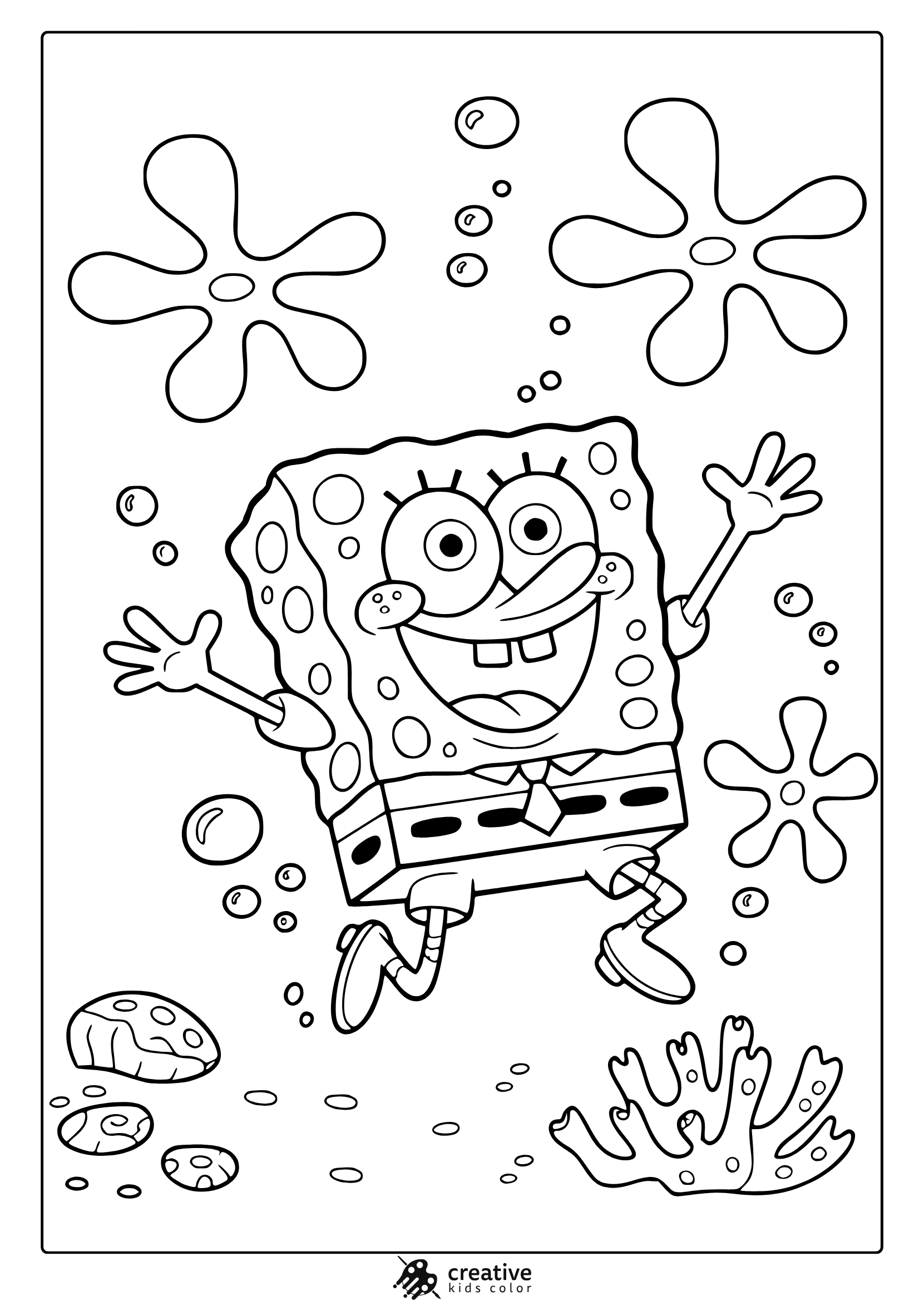
Cute Spongebob Coloring Page
This fun SpongeBob image provides hours of enjoyment with its excitement and energy.
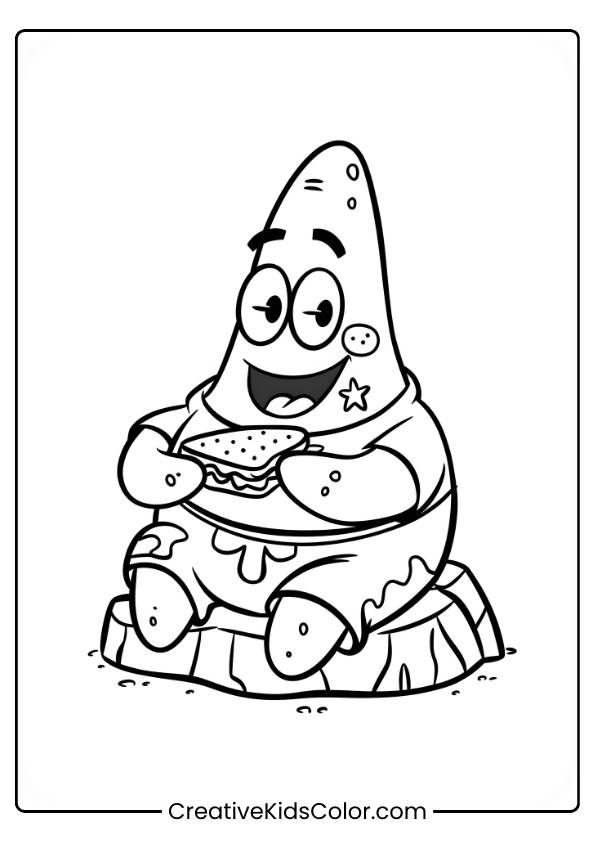
Coloring Page Of Patrick The Starfish Enjoying A Snack
Enjoy this picture of Patrick sitting on a rock eating a sandwich.
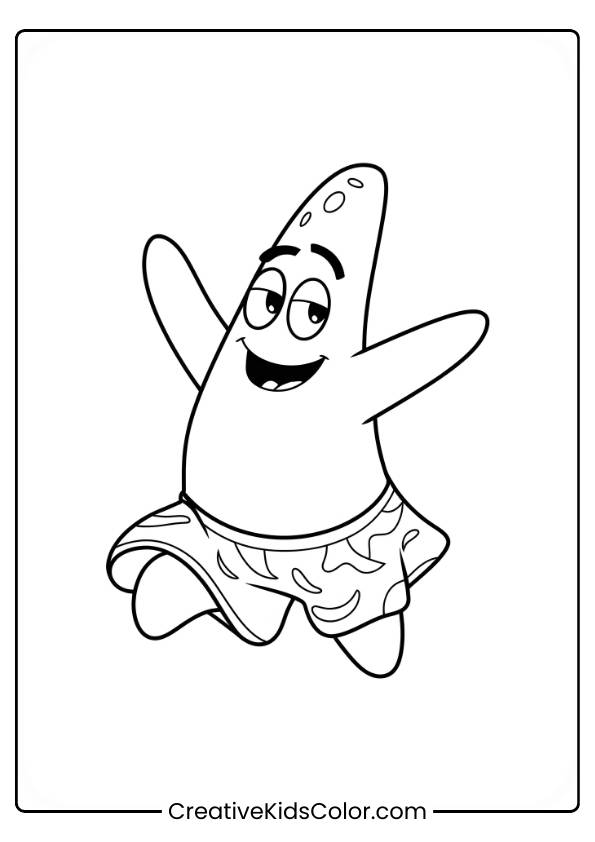
Patrick The Starfish Dancing Coloring Sheet
Watch as Patrick dances with his arms wide open in this fun SpongeBob image.
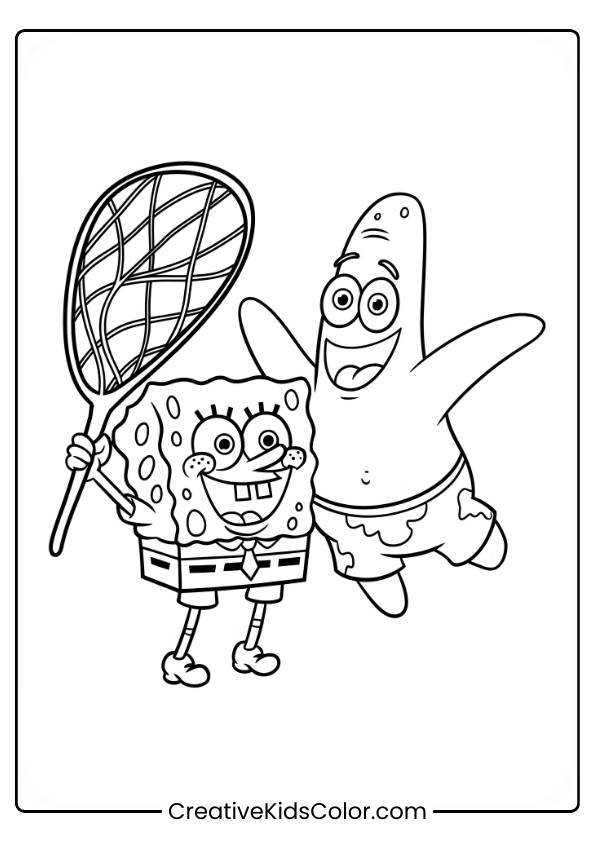
SpongeBob And Patrick Having Fun Coloring Page
See SpongeBob holding the net while Patrick has the confetti in this busy picture.
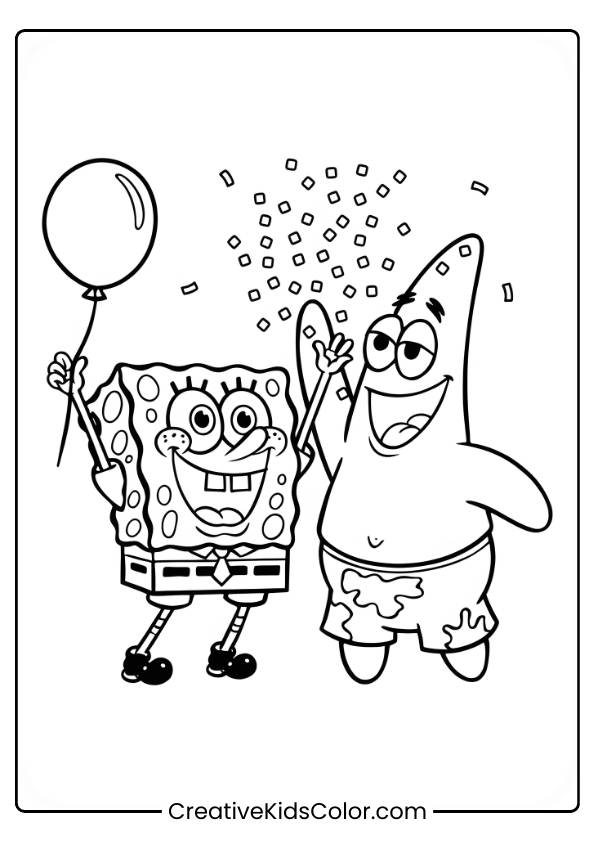
SpongeBob And Patrick Celebrating A Party Coloring Page
SpongeBob and Patrick are having fun with balloons as the confetti rain comes down around them.
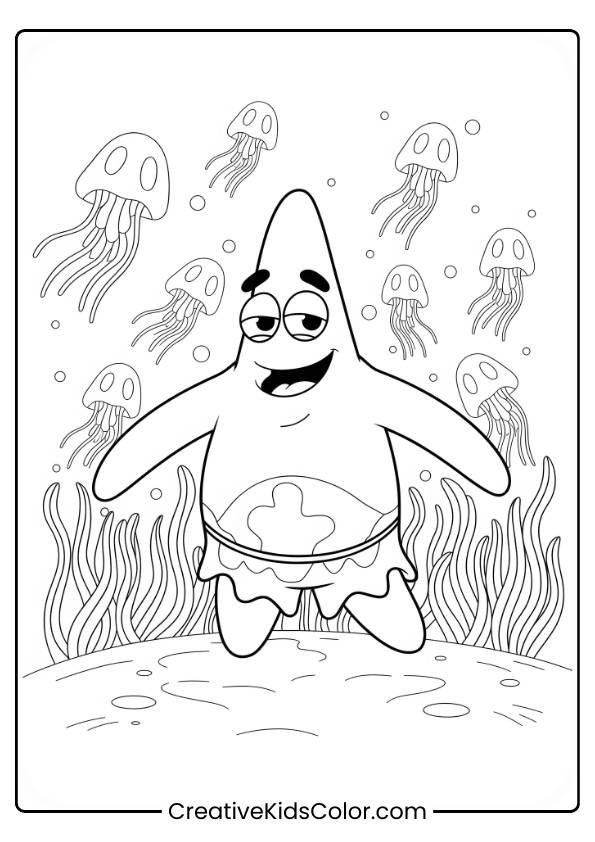
Patrick In Jellyfish Fields Coloring Sheet
Join in on the fun as Patrick is surrounded by jellyfish underwater.
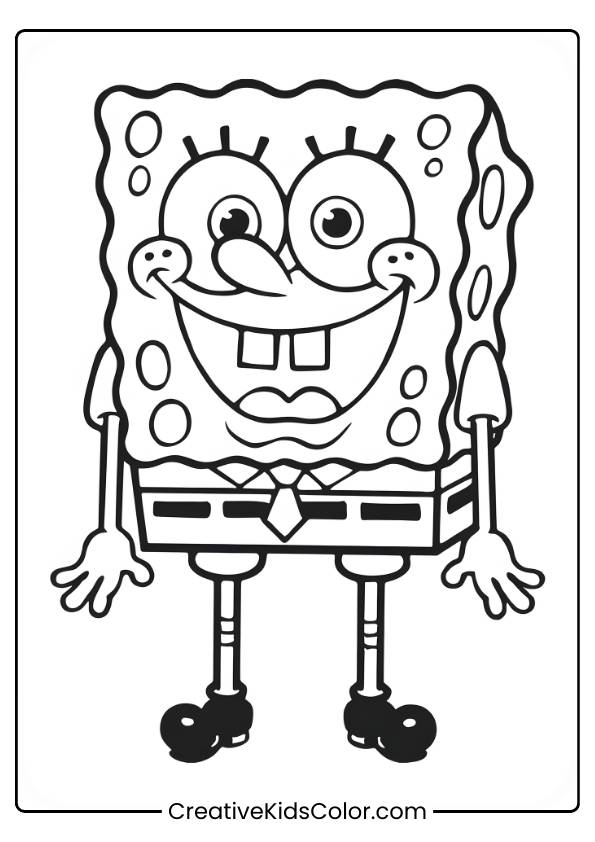
SpongeBob SquarePants Easy Outline For Coloring
Bring SpongeBob to life as he stands with his big smile.
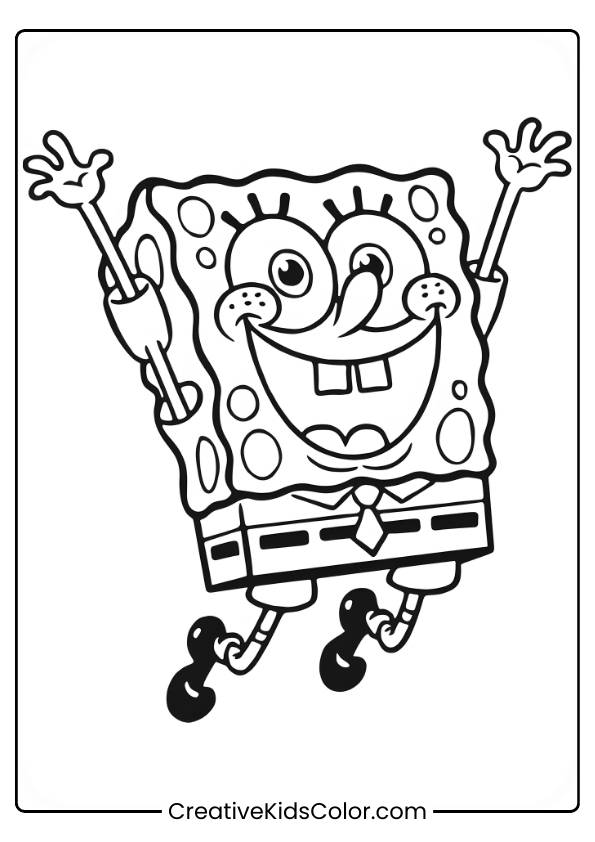
Happy SpongeBob Jumping In The Air Coloring Page
Watch as SpongeBob jumps with his arms in the air with excitement.
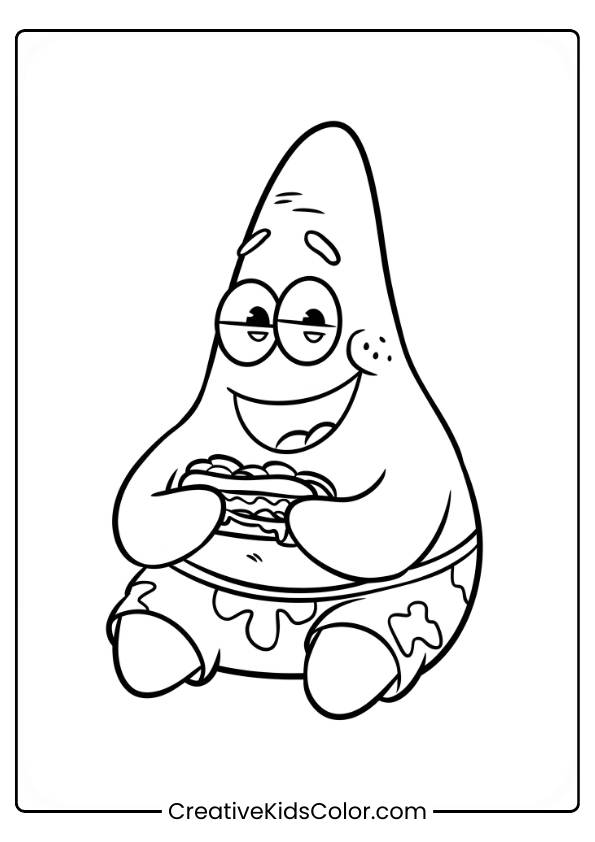
Coloring Page Of Patrick The Starfish Eats A Sandwich
See Patrick as he eats the sandwich while smiling.
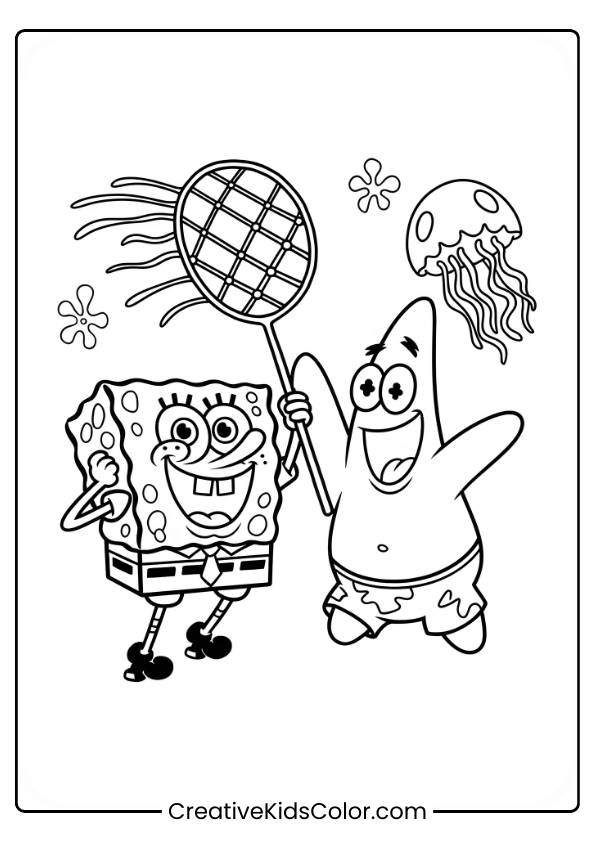
Patrick And SpongeBob Jellyfish Hunting Coloring Page
In this fun SpongeBob image, SpongeBob and Patrick are on a jellyfish hunting mission.
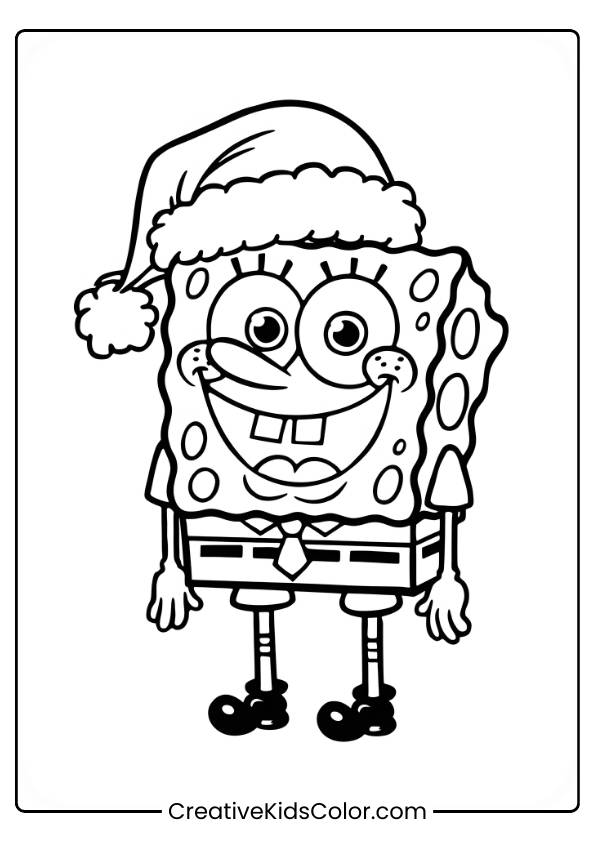
SpongeBob With Santa Hat Coloring Page
Enjoy this fun picture of SpongeBob wearing a Santa hat and big smile.
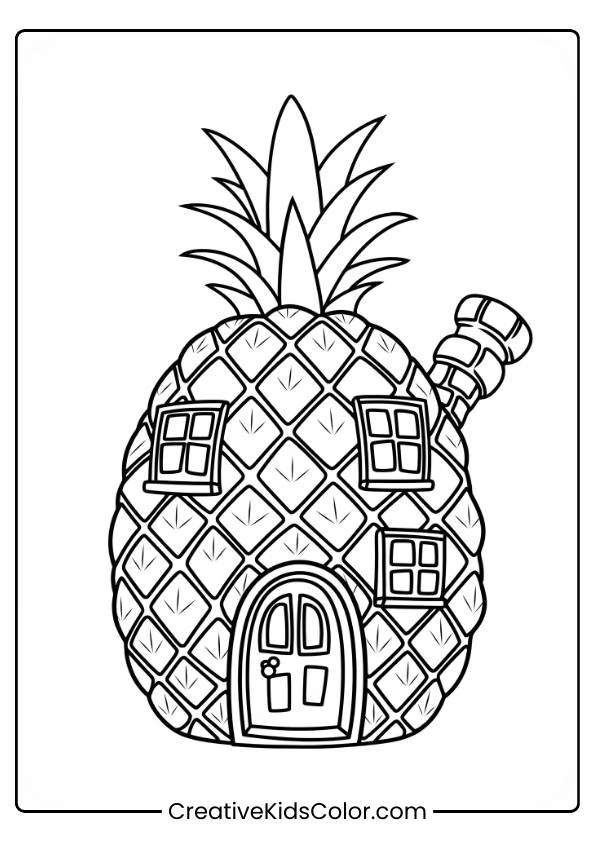
SpongeBob Pineapple House Easy Coloring Sheet
Color in the outline of SpongeBob’s pineapple house to bring his world to life.
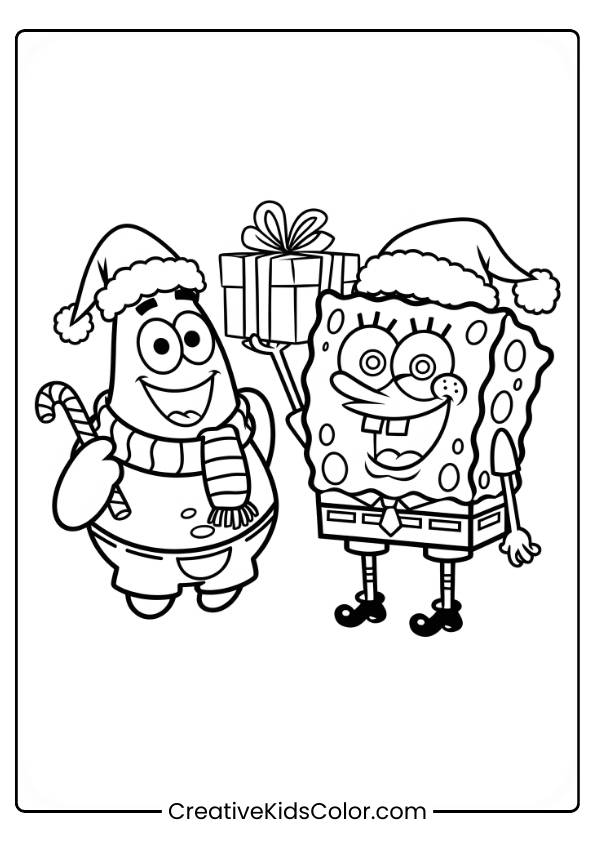
Christmas Themed SpongeBob And Patrick Coloring Picture
Have fun bringing this holiday gift exchange between SpongeBob and Patrick to life.
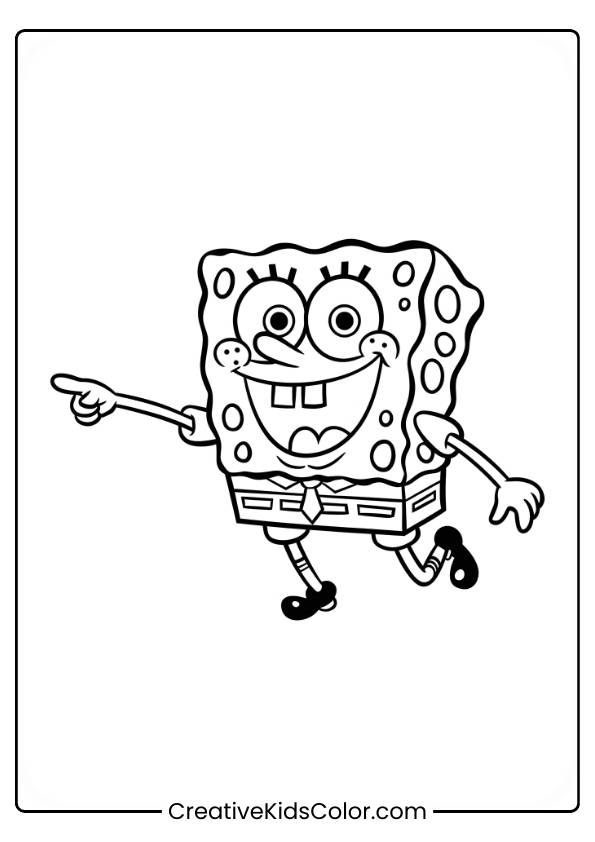
SpongeBob Pointing In Excitement Coloring Page
Watch as SpongeBob points to the side with a big smile on his face.
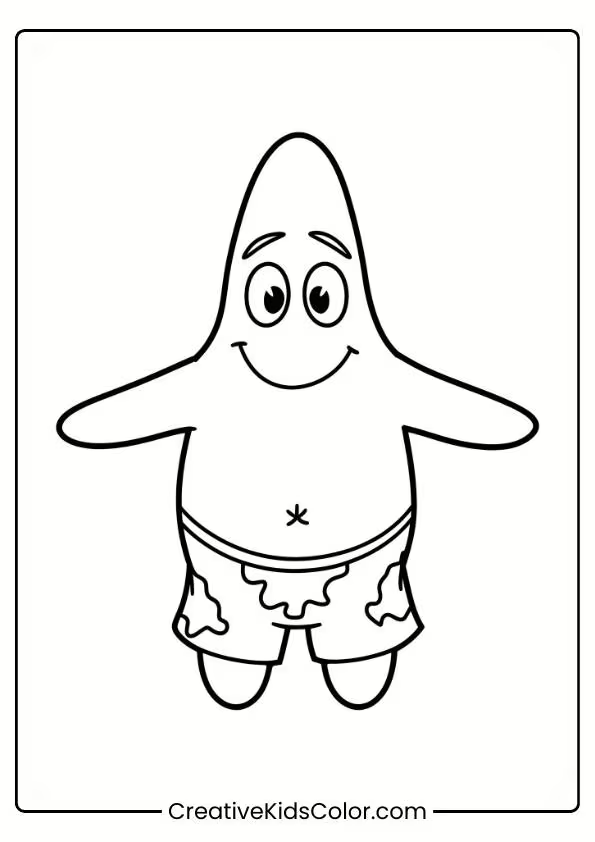
Cute Patrick The Starfish Coloring Picture
See Patrick standing with his arms open and a big smile.
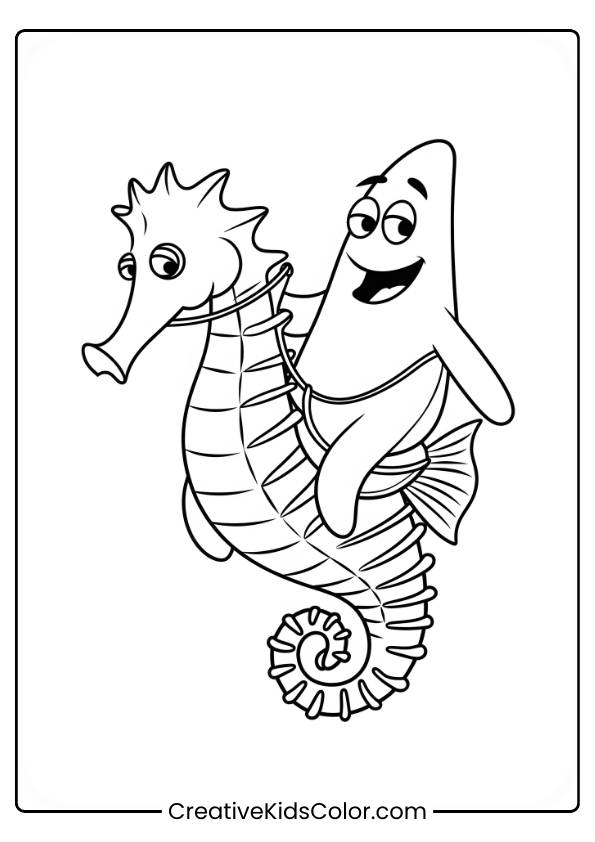
Patrick Riding A Seahorse Coloring Sheet
Get enjoyment from watching Patrick ride a seahorse underwater.
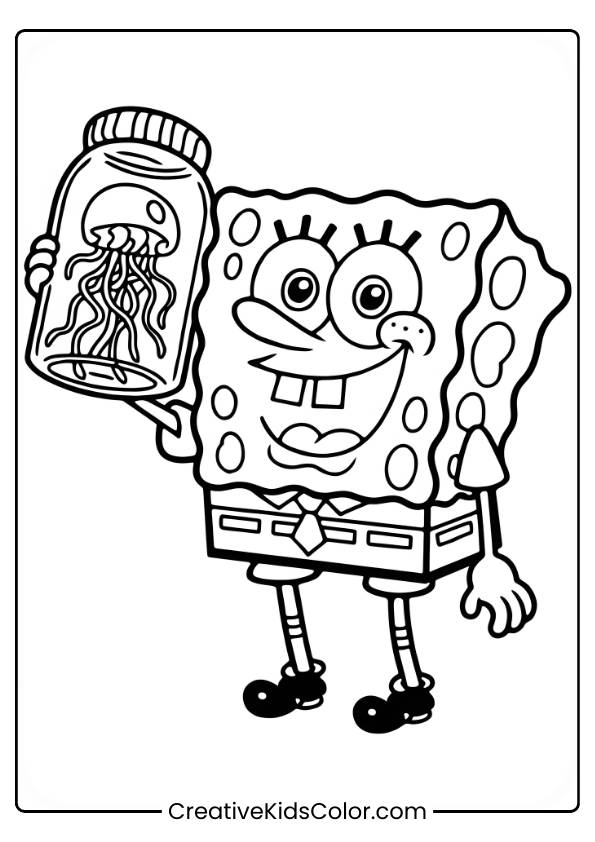
SpongeBob Holding A Jellyfish Jar Coloring Page
Join in on the fun as SpongeBob holds the jar with a jellyfish inside.
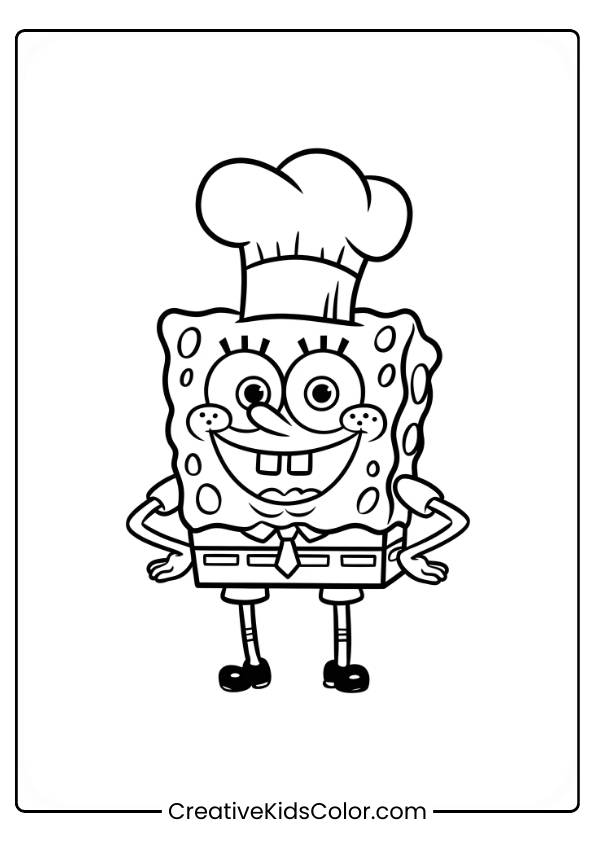
SpongeBob Wearing A Chef Hat Coloring Picture
Watch as SpongeBob wears the chef’s outfit with a big smile.
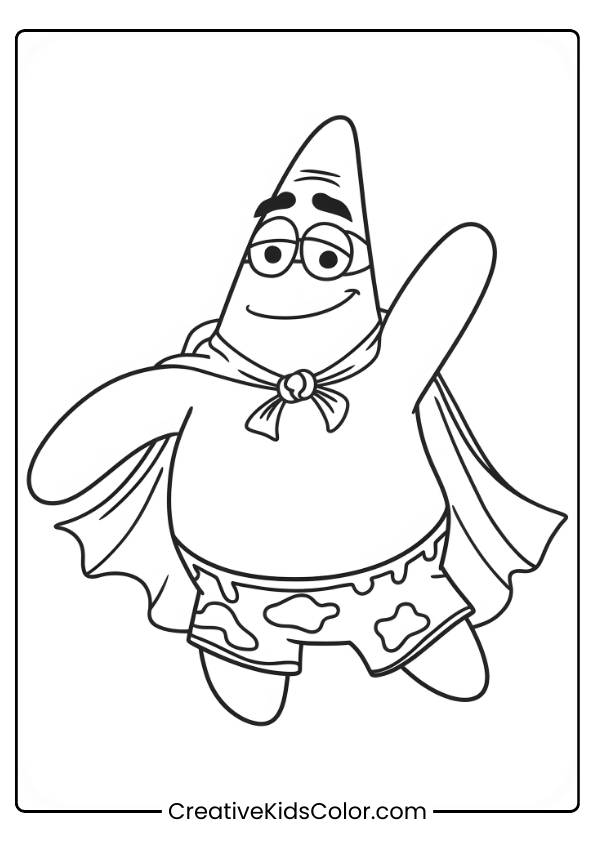
Patrick Dressed As A Superhero Coloring Sheet
See Patrick in this fun image wearing the cape and striking a pose.
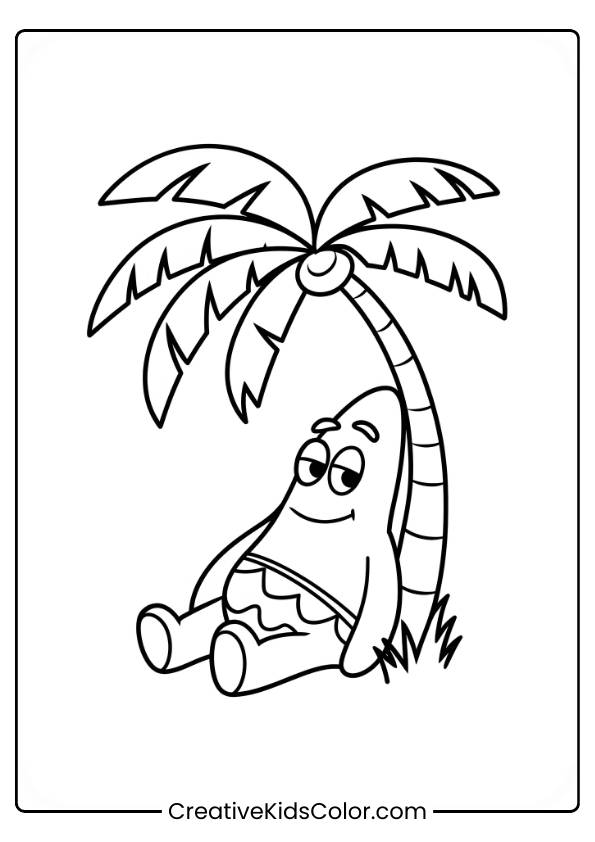
Patrick Sitting Under A Palm Tree Coloring Picture
Enjoy this picture of Patrick sitting under the palm tree with a relaxed look on his face.
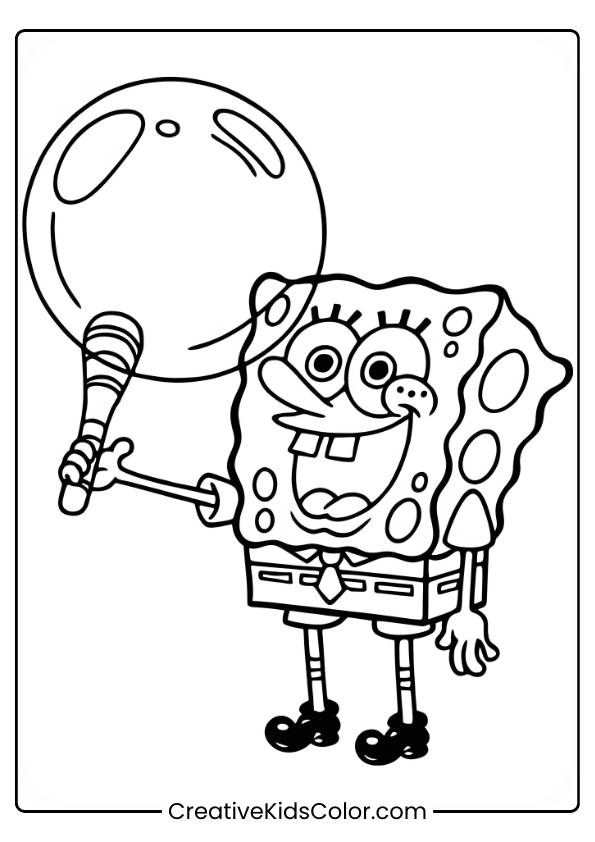
SpongeBob Blowing A Big Bubble Coloring Sheet
Watch as SpongeBob blows the big bubble with the bubble wand.
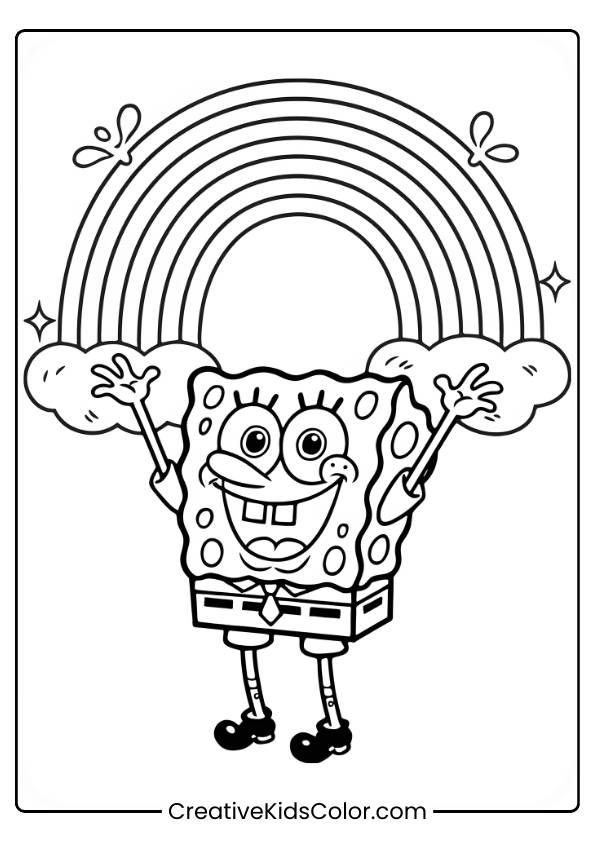
SpongeBob Creating A Rainbow With His Hands Coloring Page
See SpongeBob spread his arms with the rainbow above him.
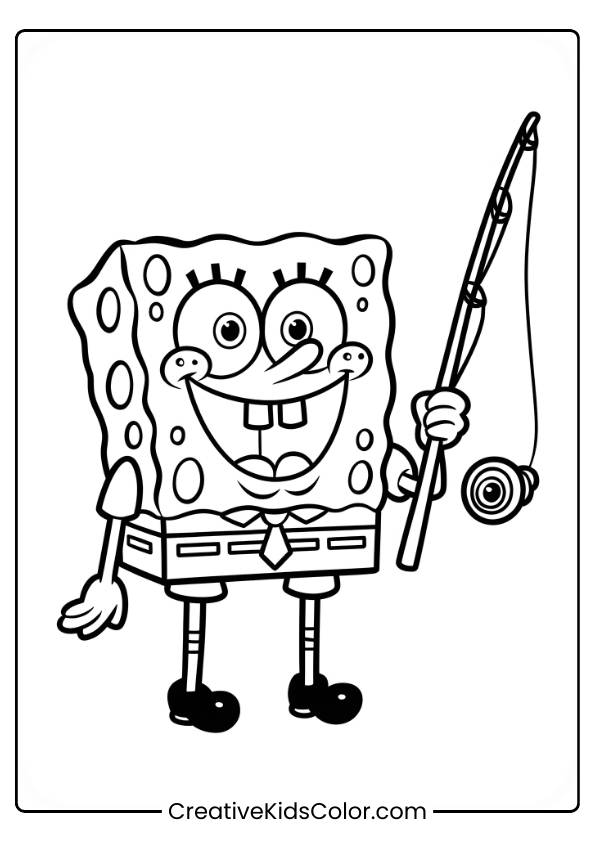
SpongeBob Holding A Fishing Rod Coloring Page
Have fun watching SpongeBob hold the fishing rod with a smile.
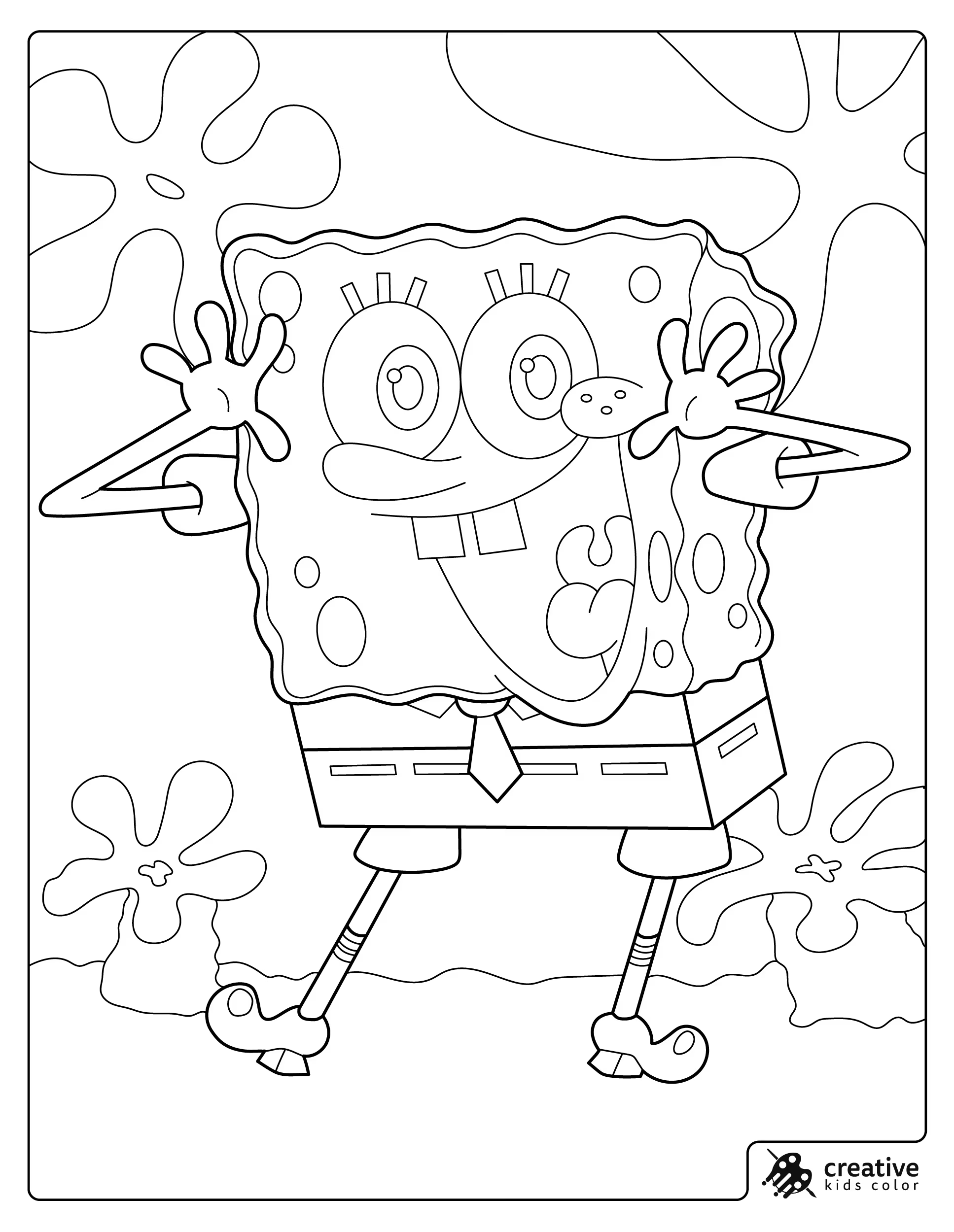
SpongeBob in Bikini Bottom Coloring Page
Cheerful SpongeBob having fun in his underwater world.
How to Color SpongeBob
Do you want to color SpongeBob, his square pants and his snail Gary? Then go ahead and choose yellow for SpongeBob’s body, brown for his square pants, white for his shirt and red for his tie. You can color Patrick pink, Squidward light green, Mr. Krabs red, or surprise us with your own color scheme!
Bikini Bottom is always full of amazing opportunities and crazy adventures! We will be adding more SpongeBob printable coloring pages, so be sure to come back and let us know which characters, places or events you would like to see in our next coloring pages. You can also share this page with another SpongeBob fan and invite them to join you under the sea!