
Cursive Alphabet
Welcome to our complete collection of Cursive Alphabet Worksheets from A to Z. These pages are created to make learning cursive writing simple, enjoyable, and meaningful for both children and beginners. Each worksheet helps learners practice one letter at a time with clear guides and plenty of space to write. If you are a parent teaching at home or a teacher preparing classroom materials, you will find everything you need here. Each letter includes three engaging sections that make learning feel natural and rewarding.
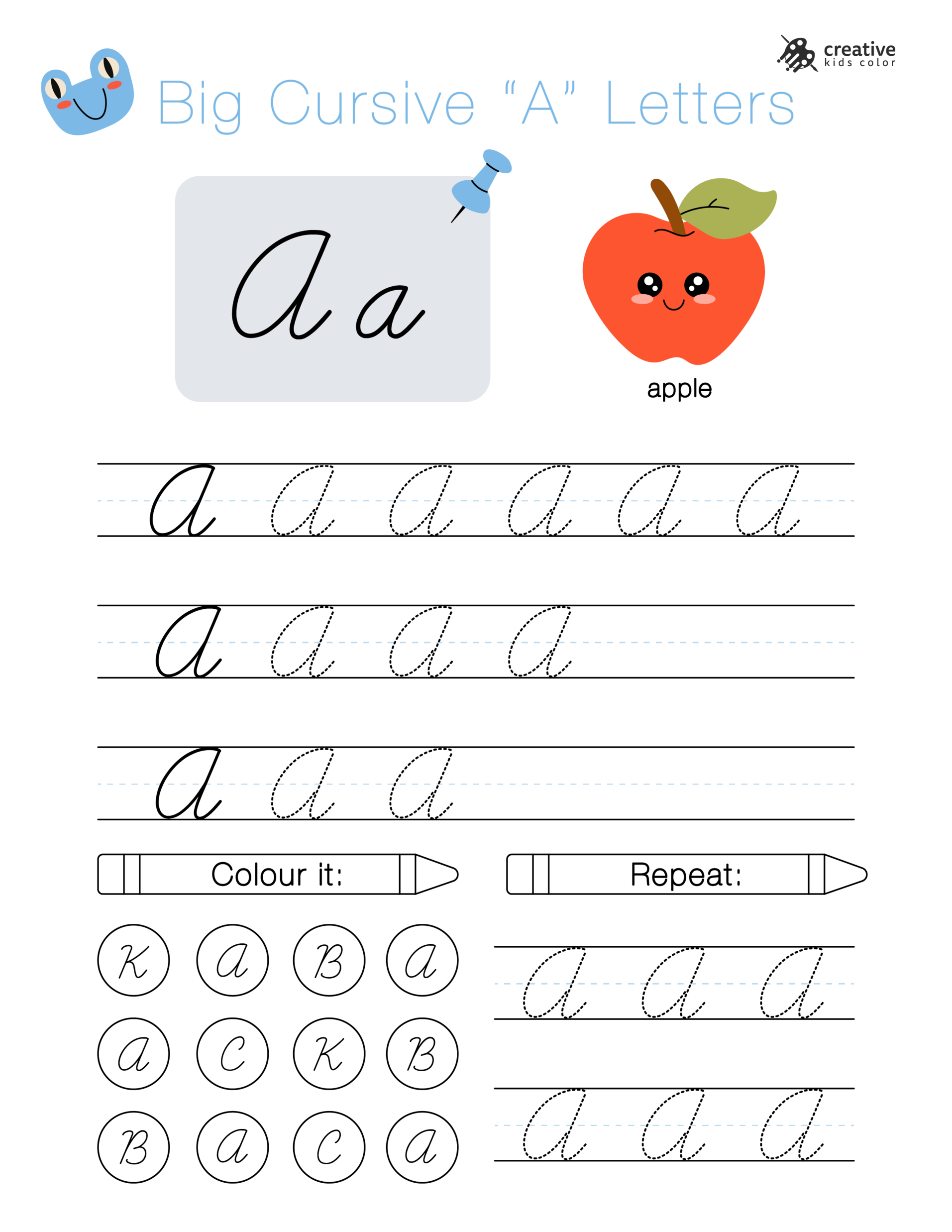
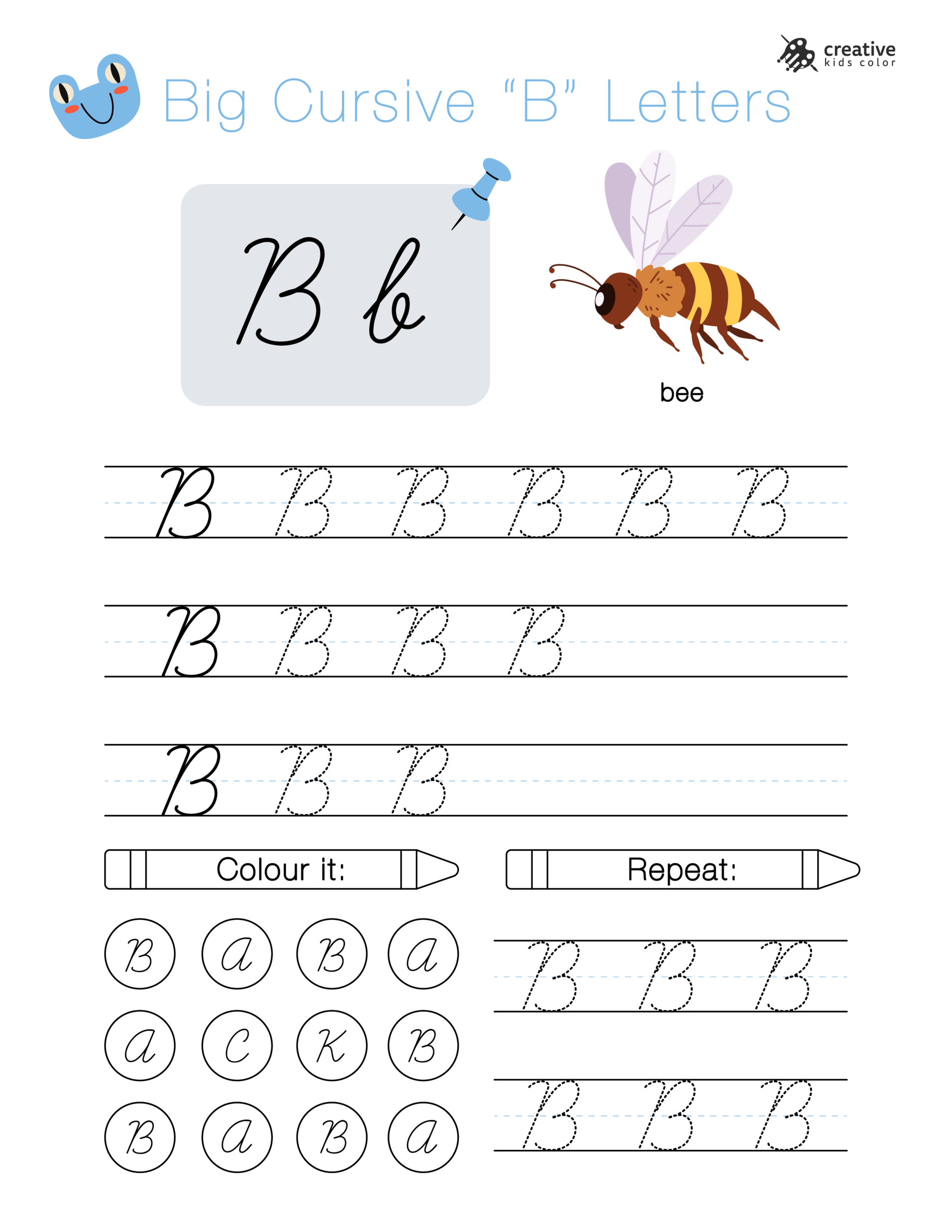
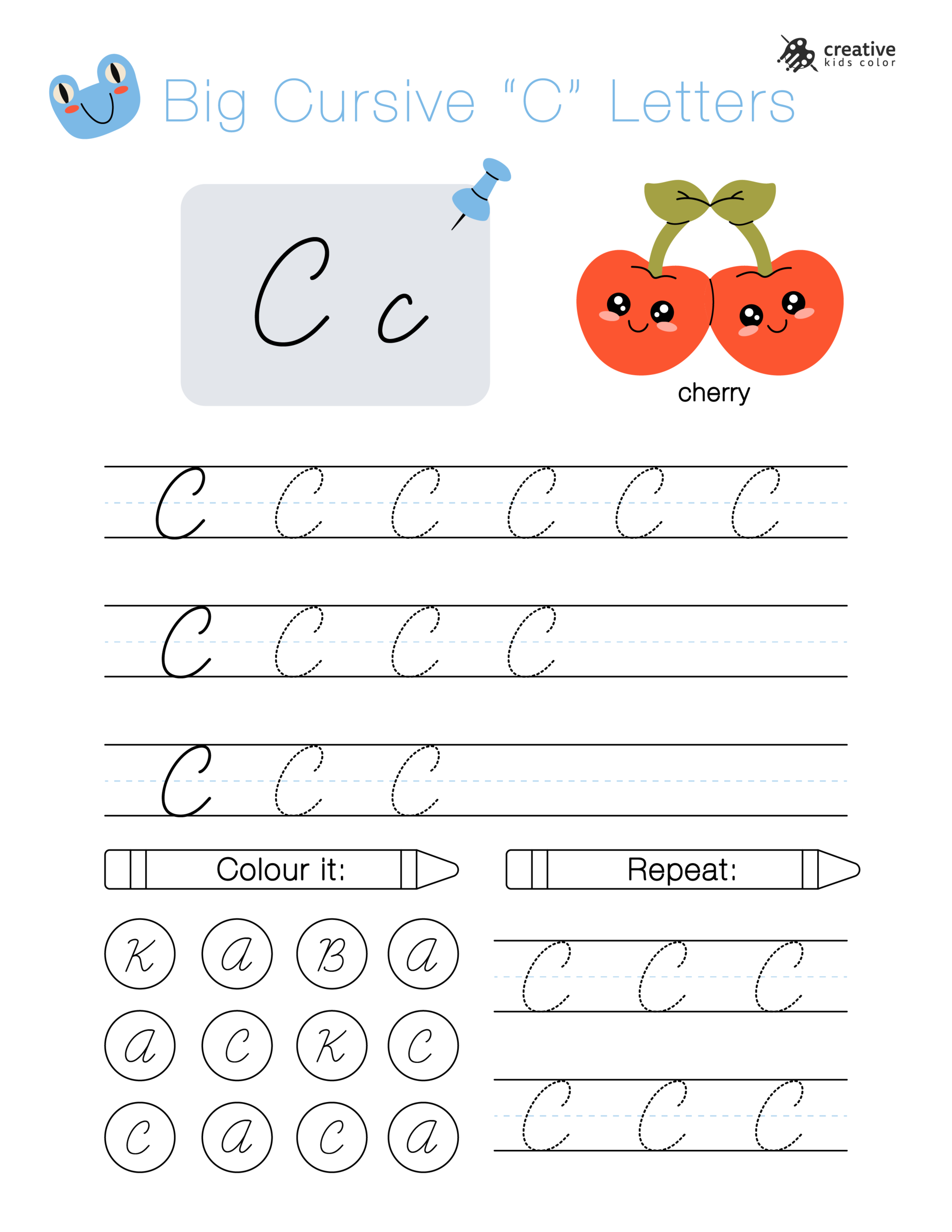
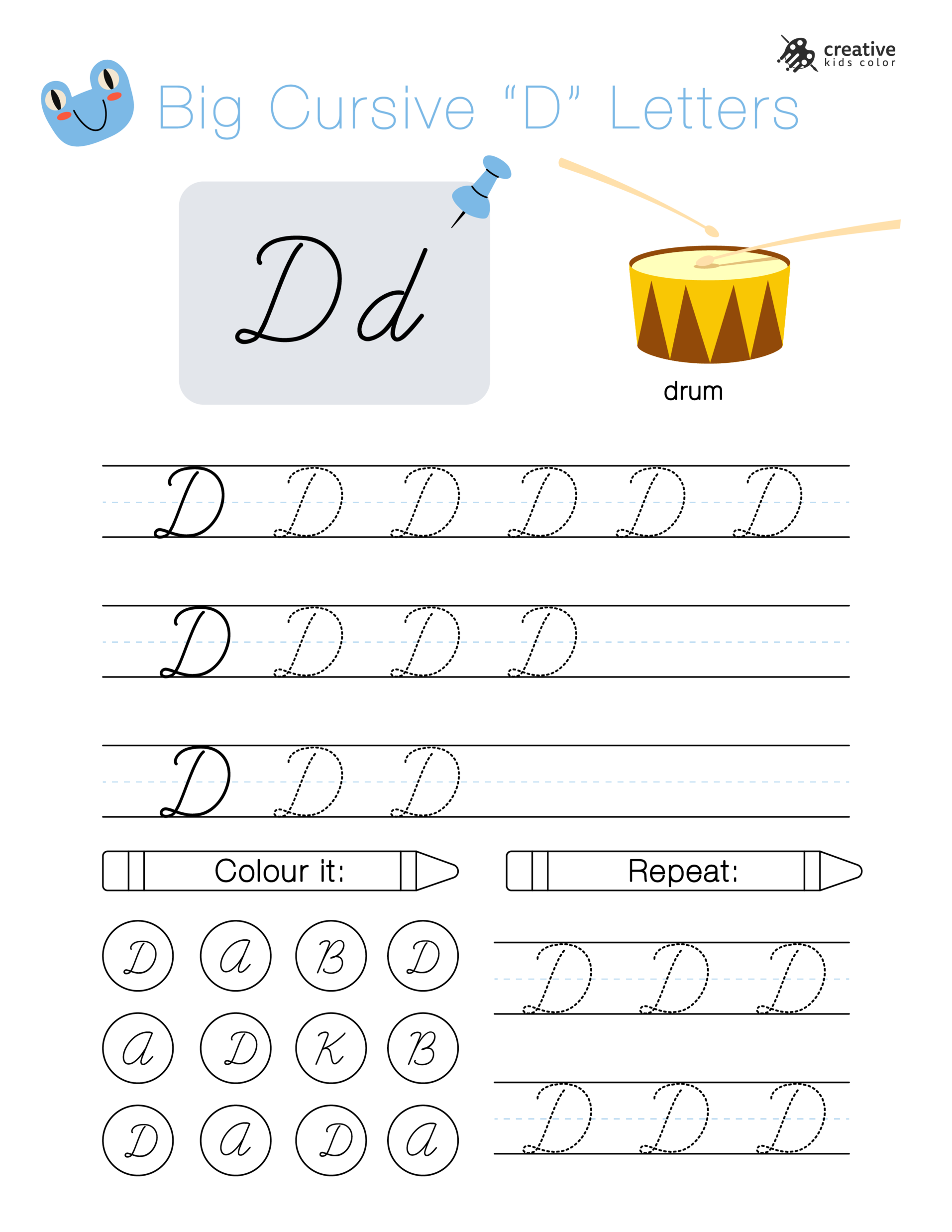
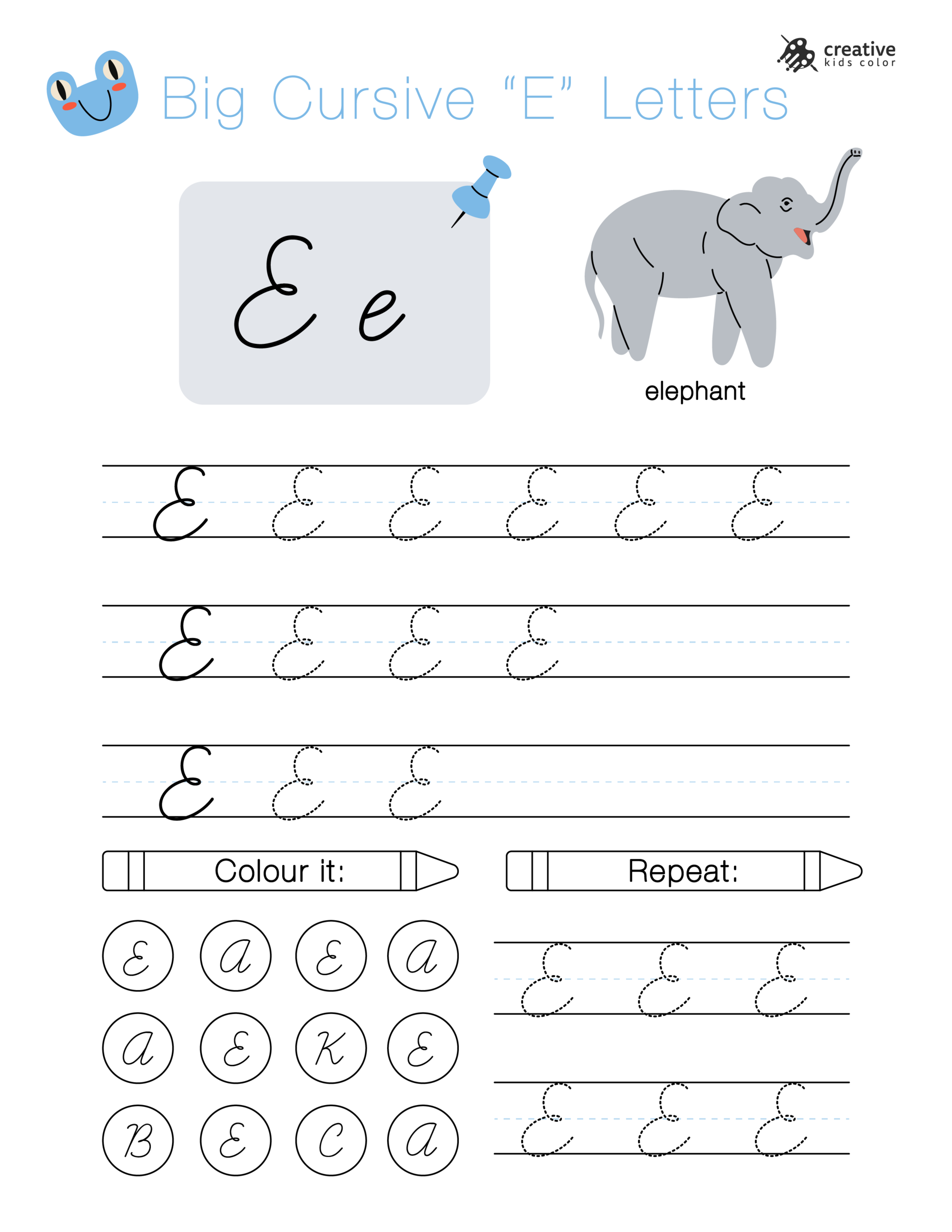
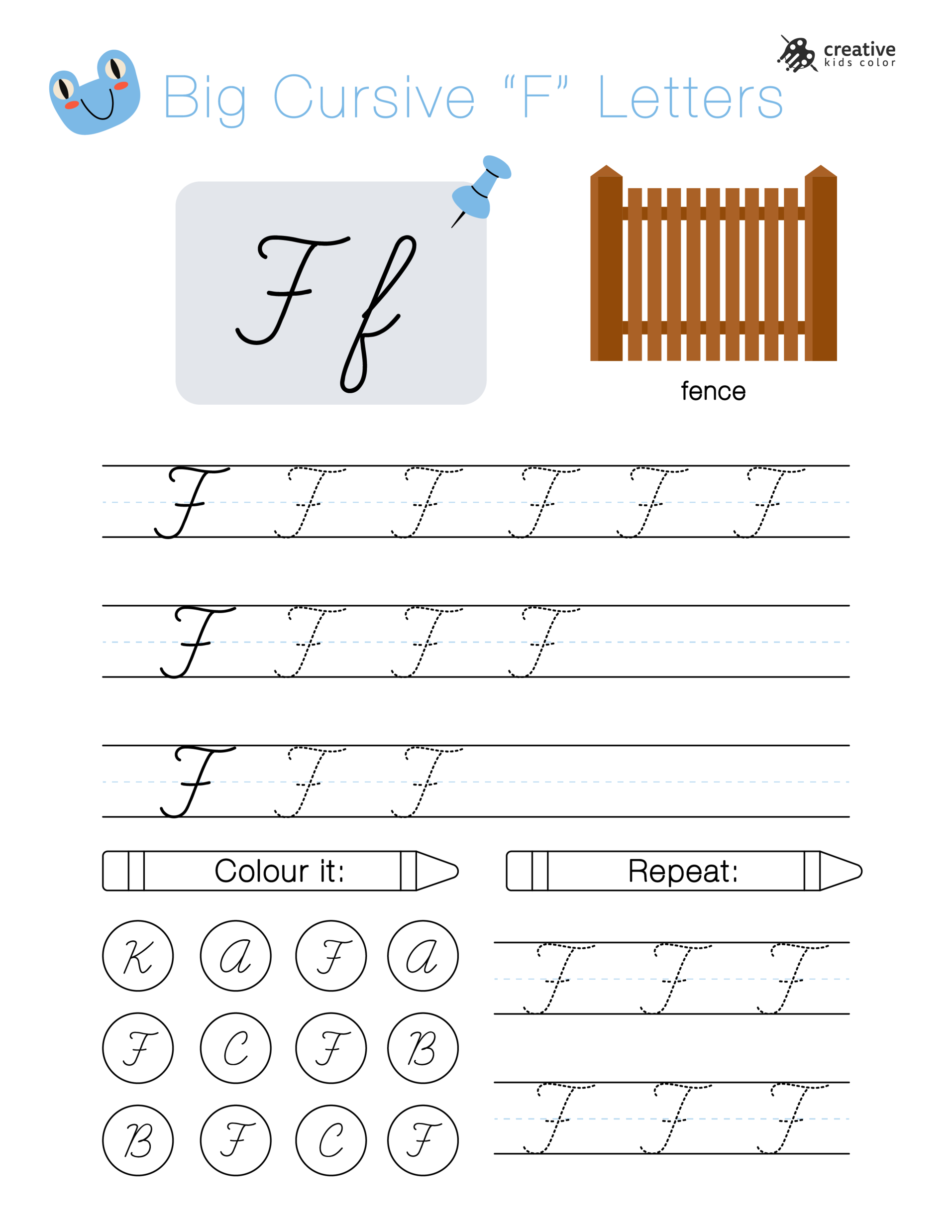
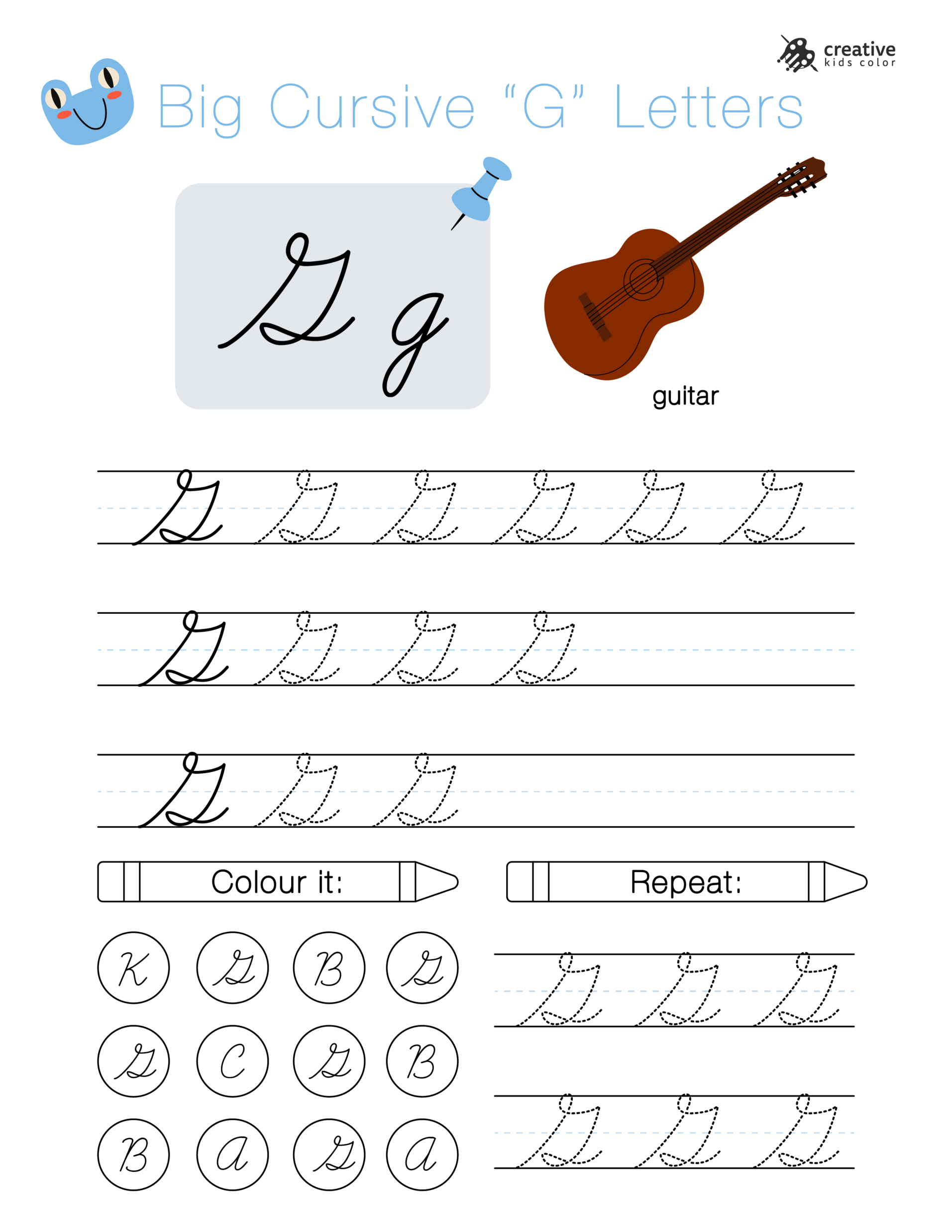
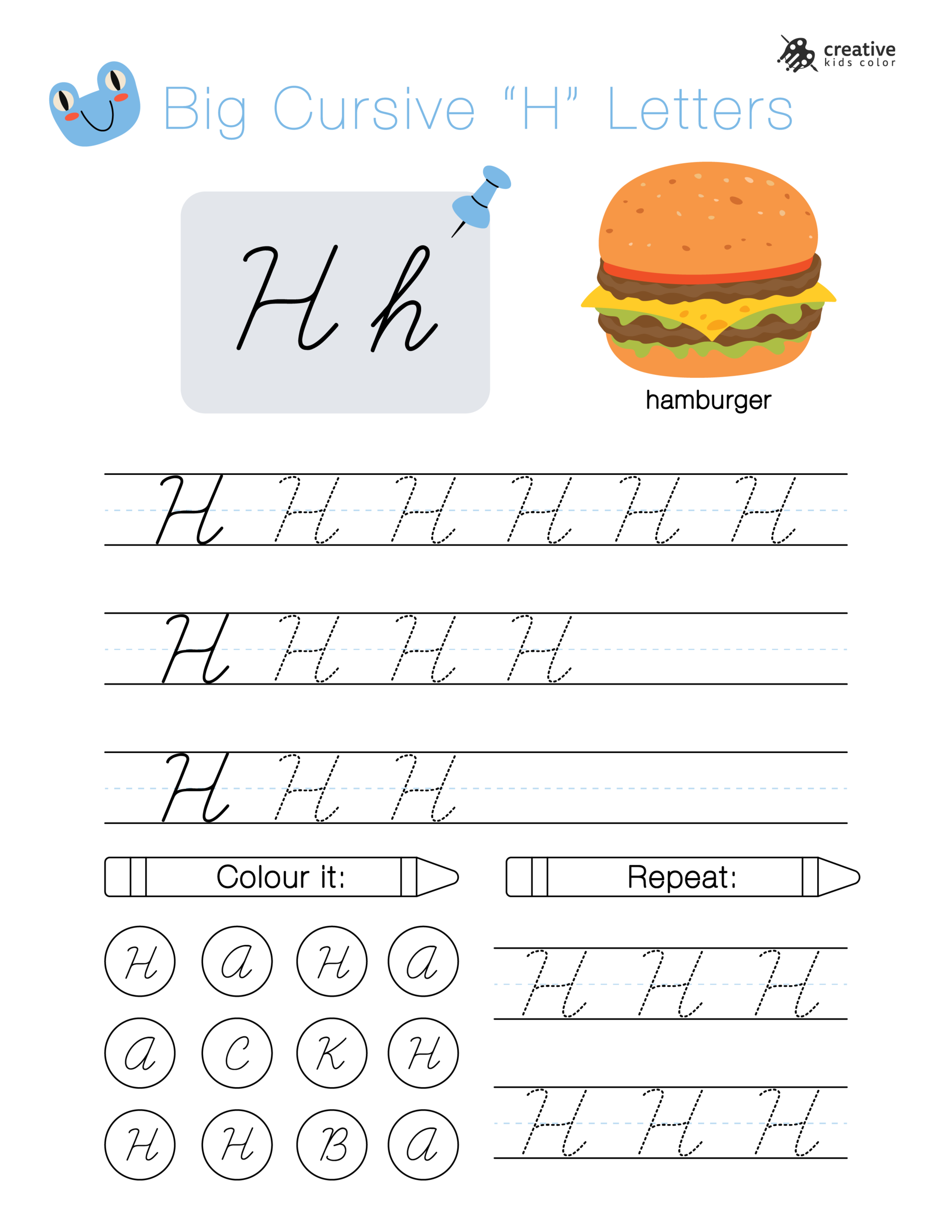
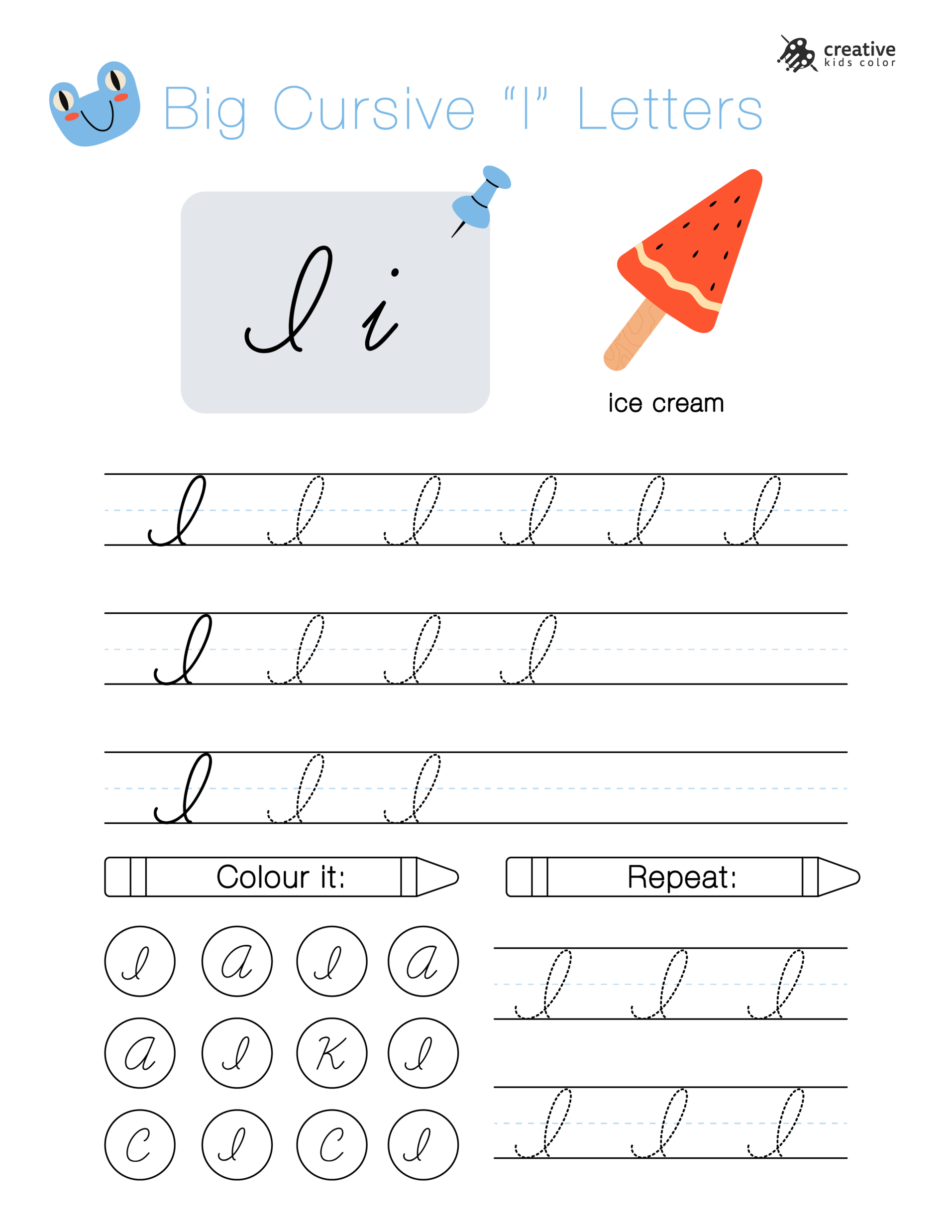
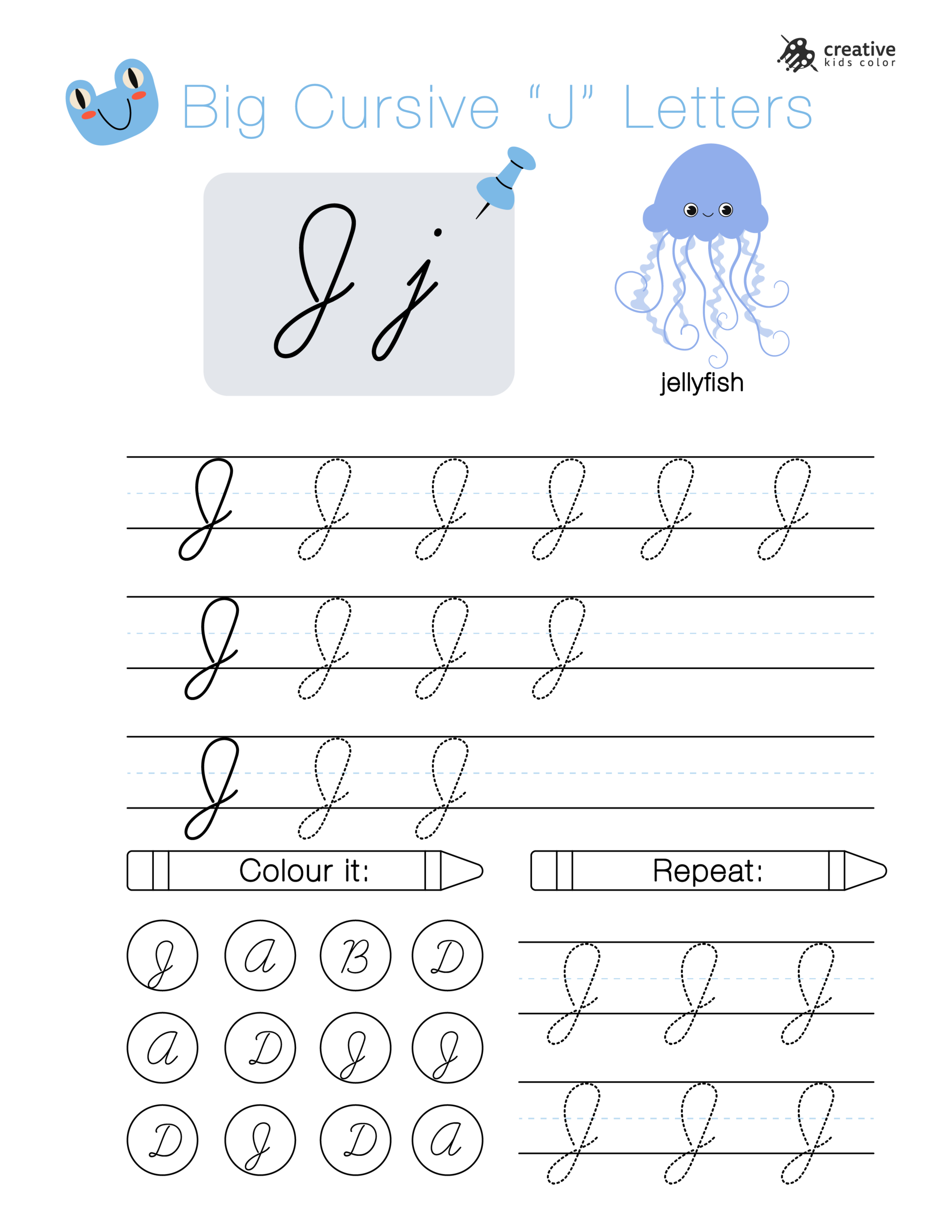
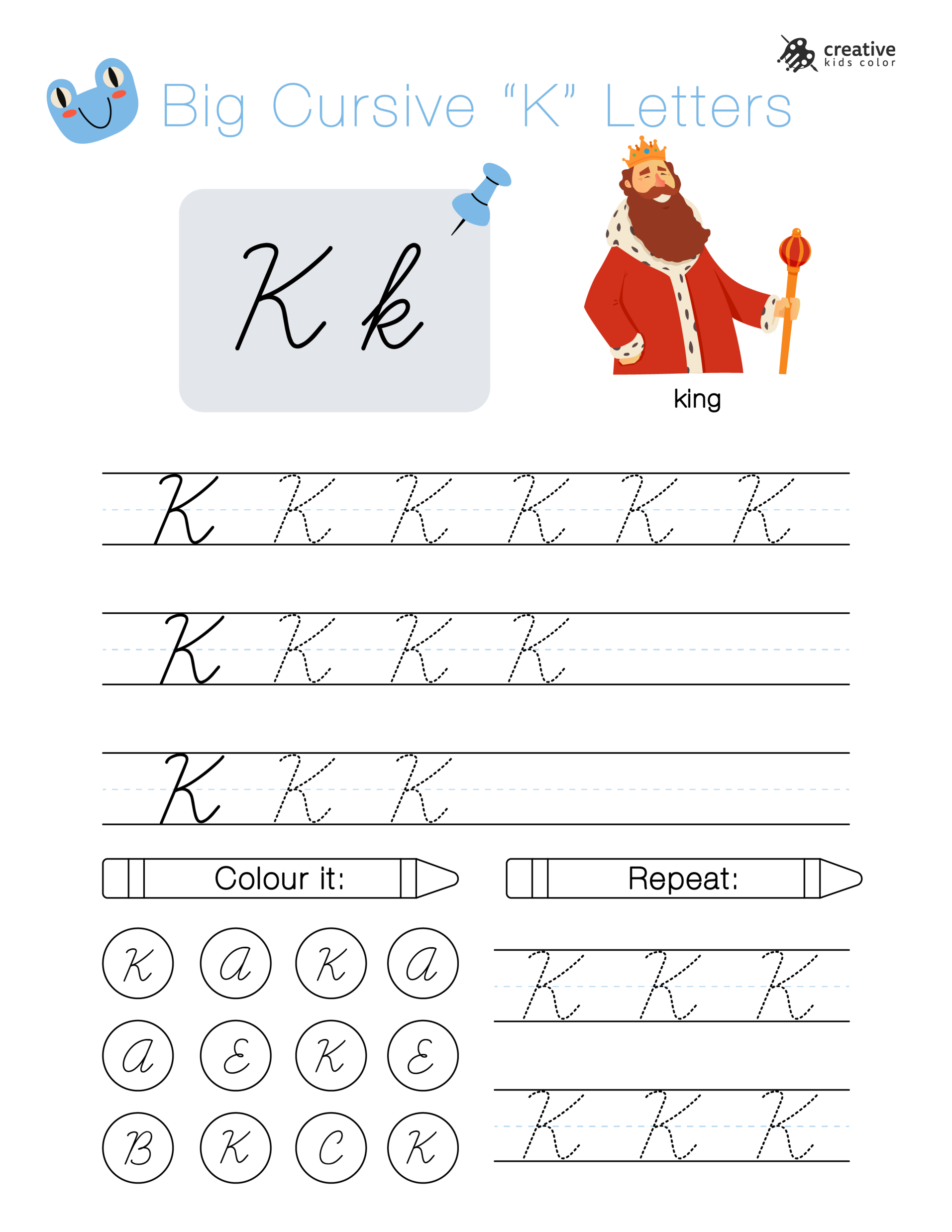
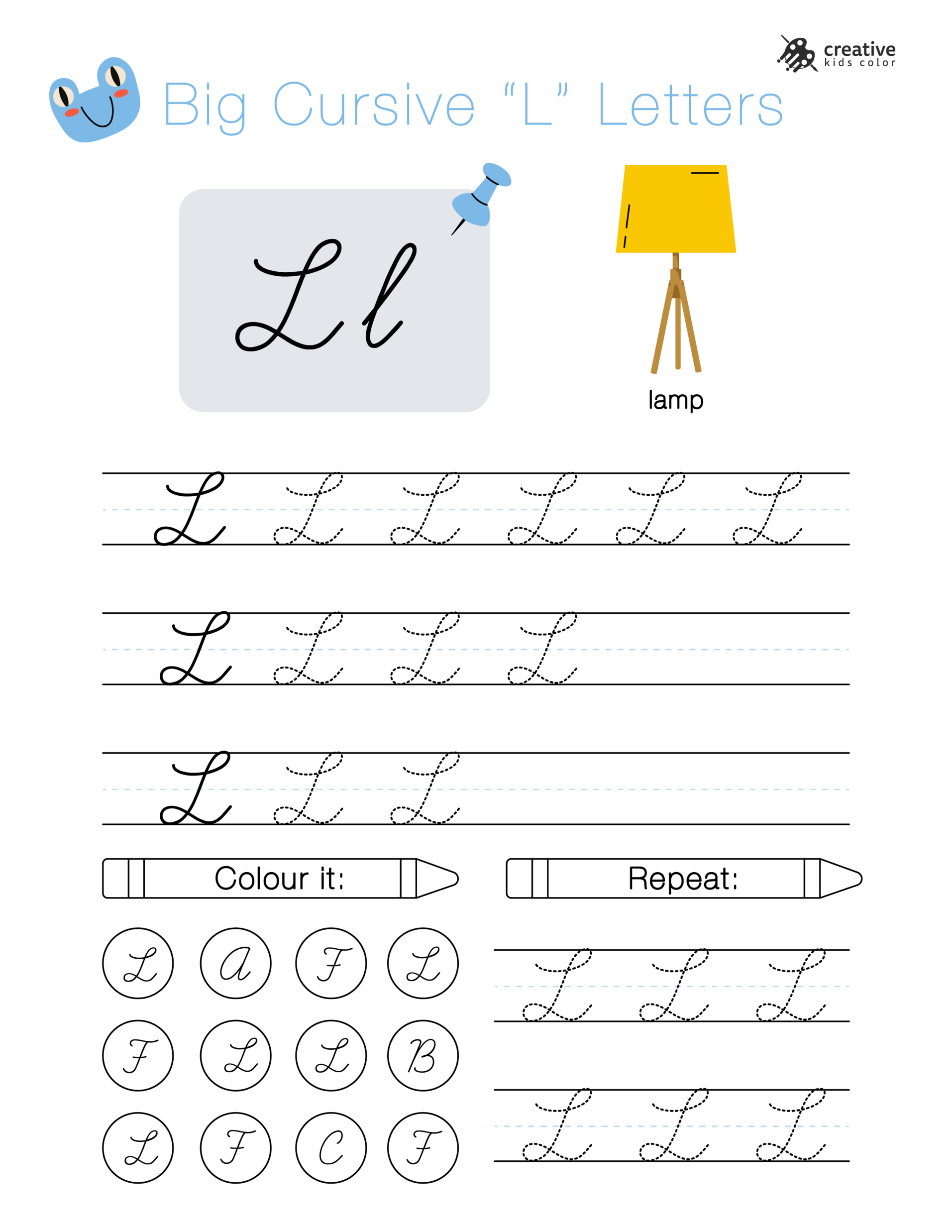
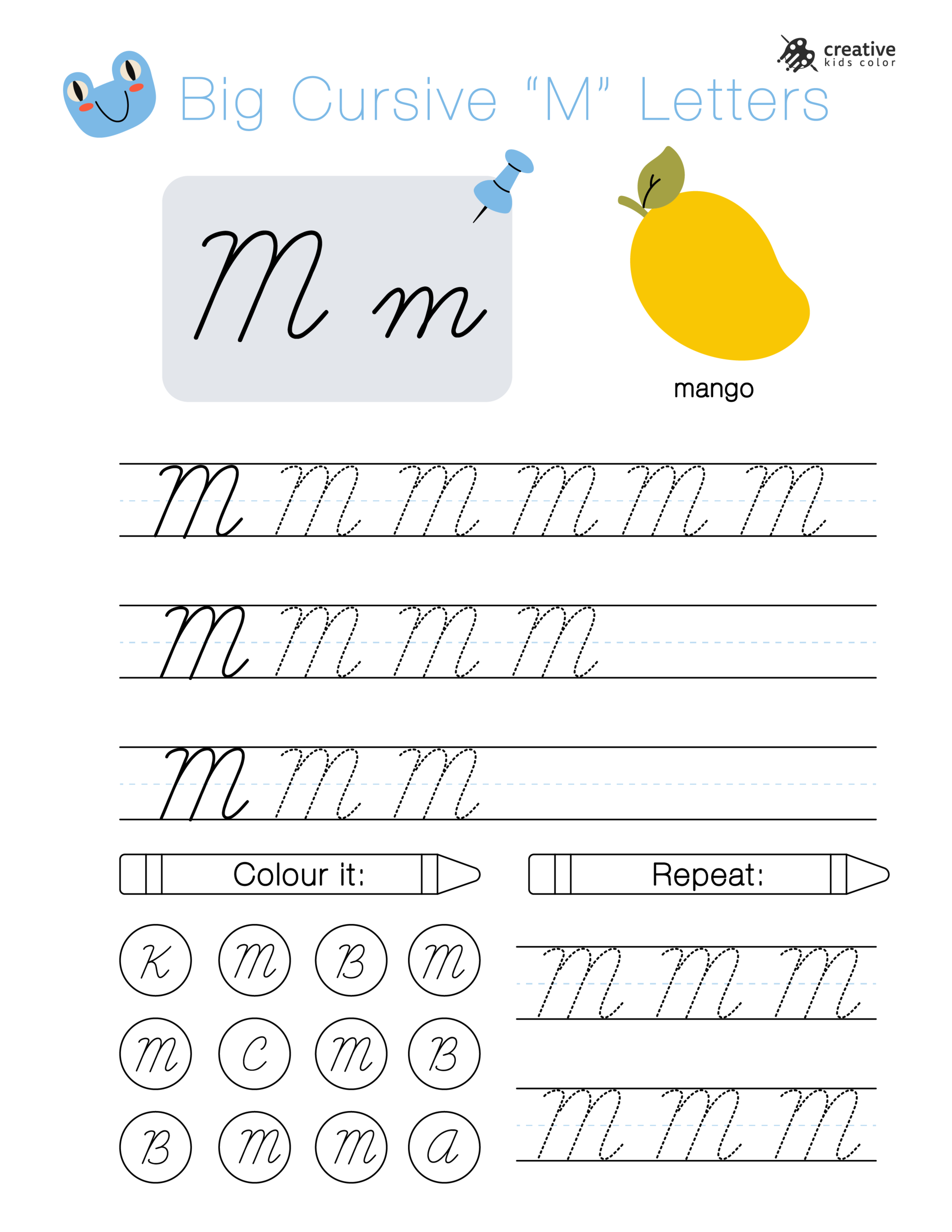
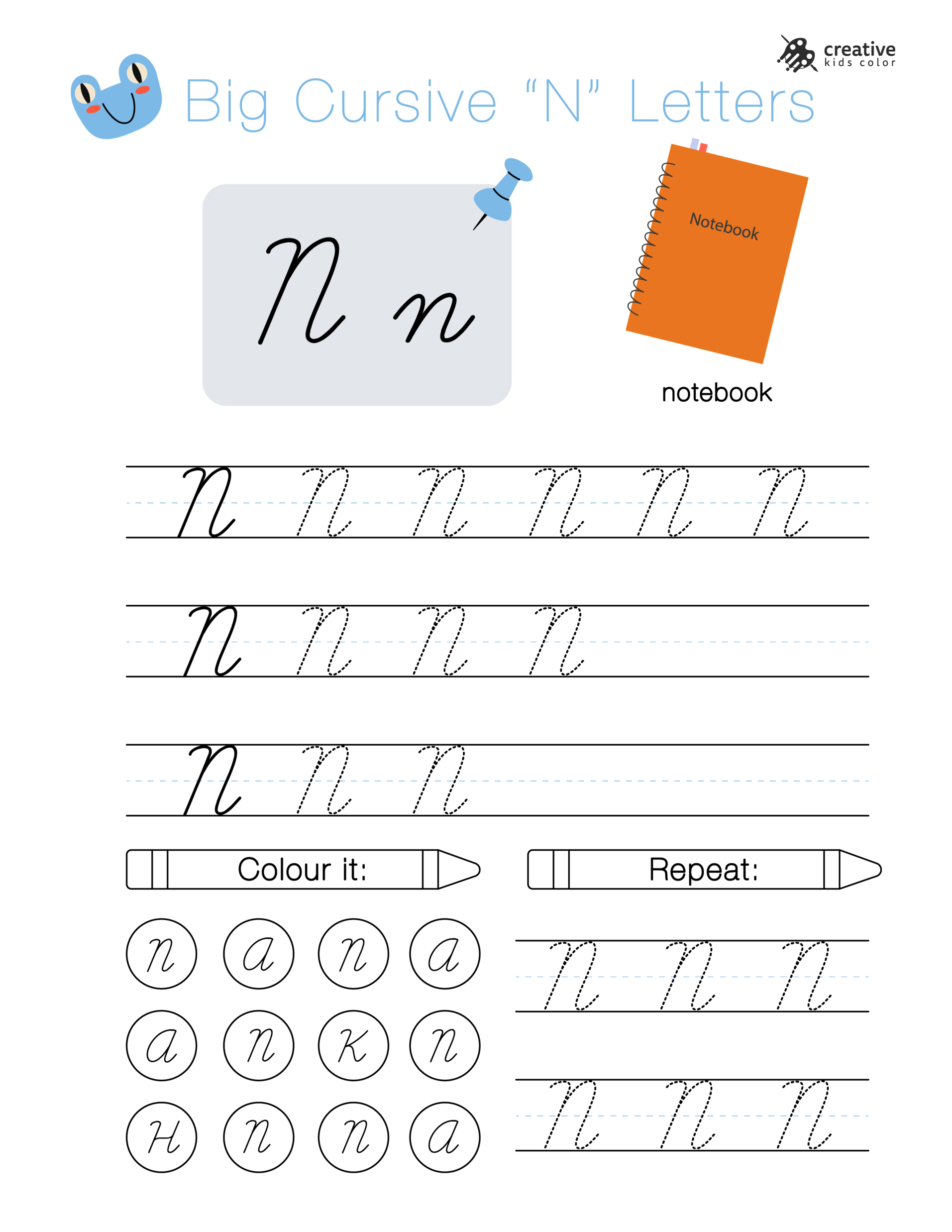
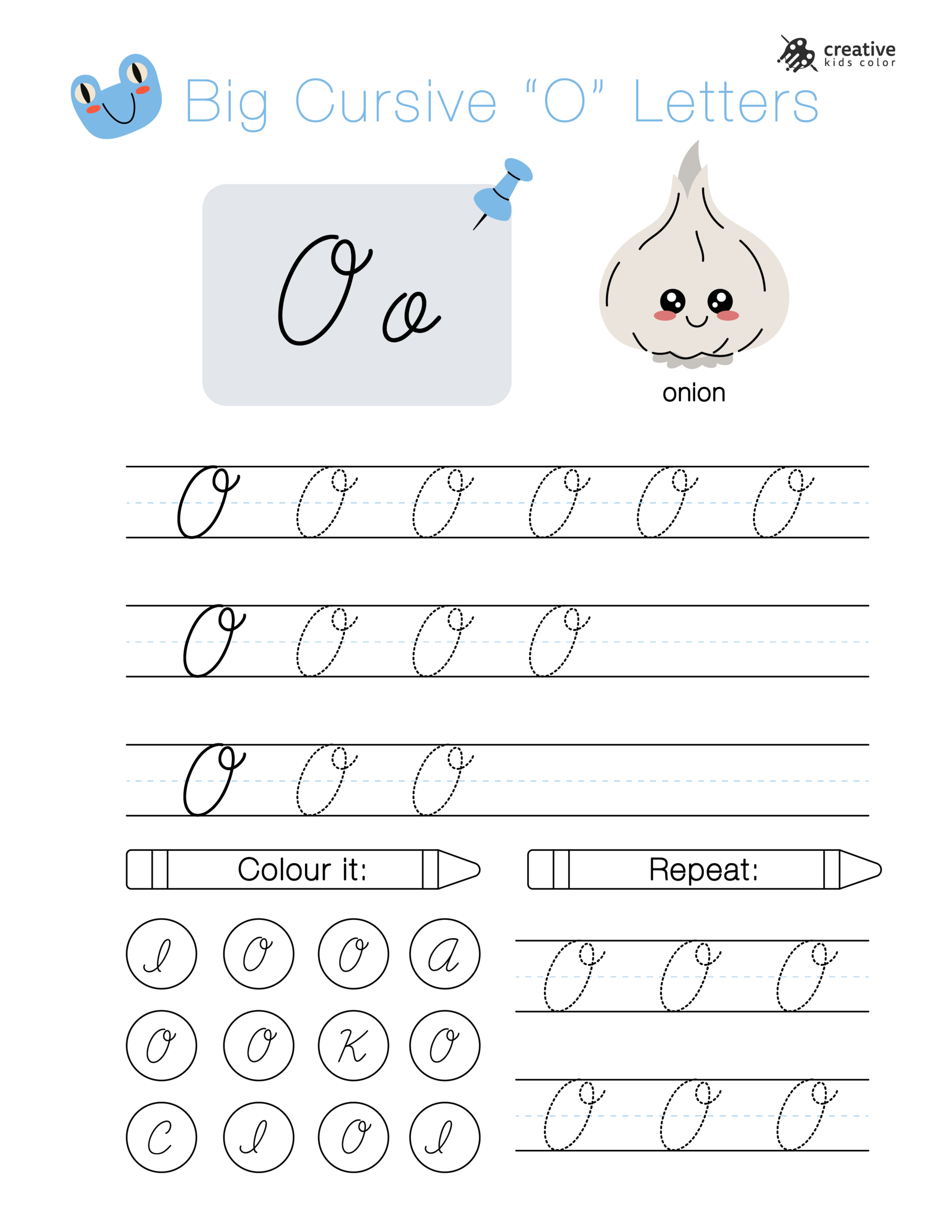
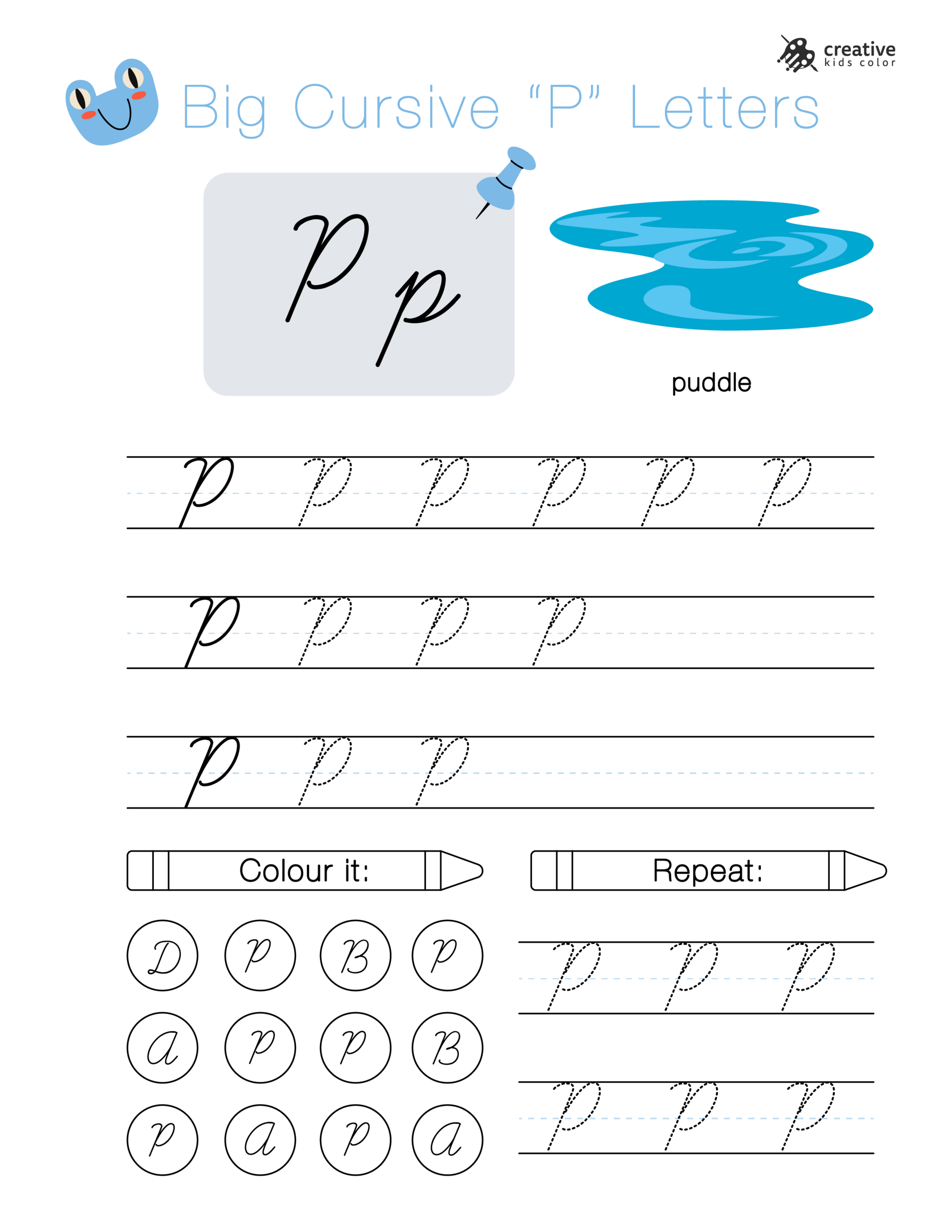
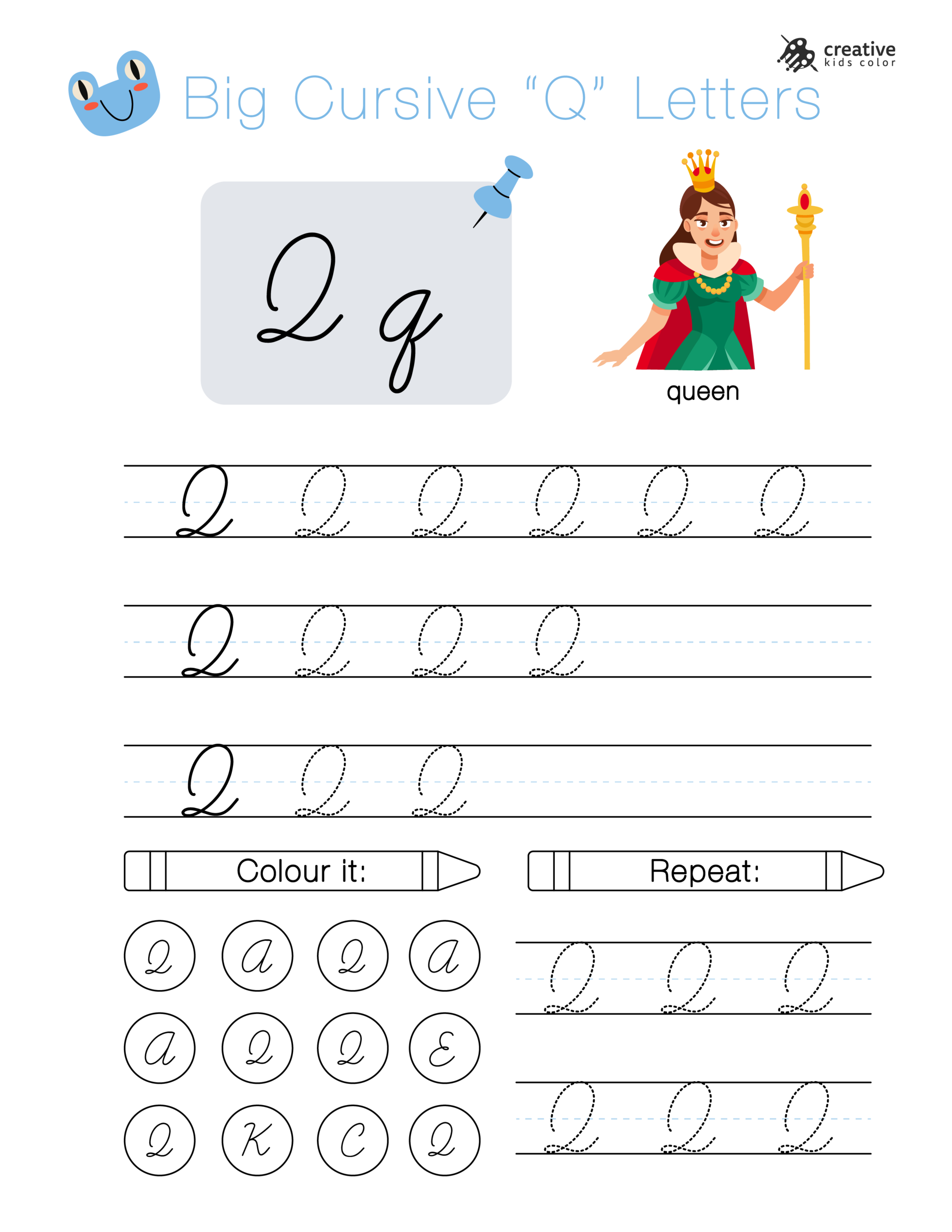
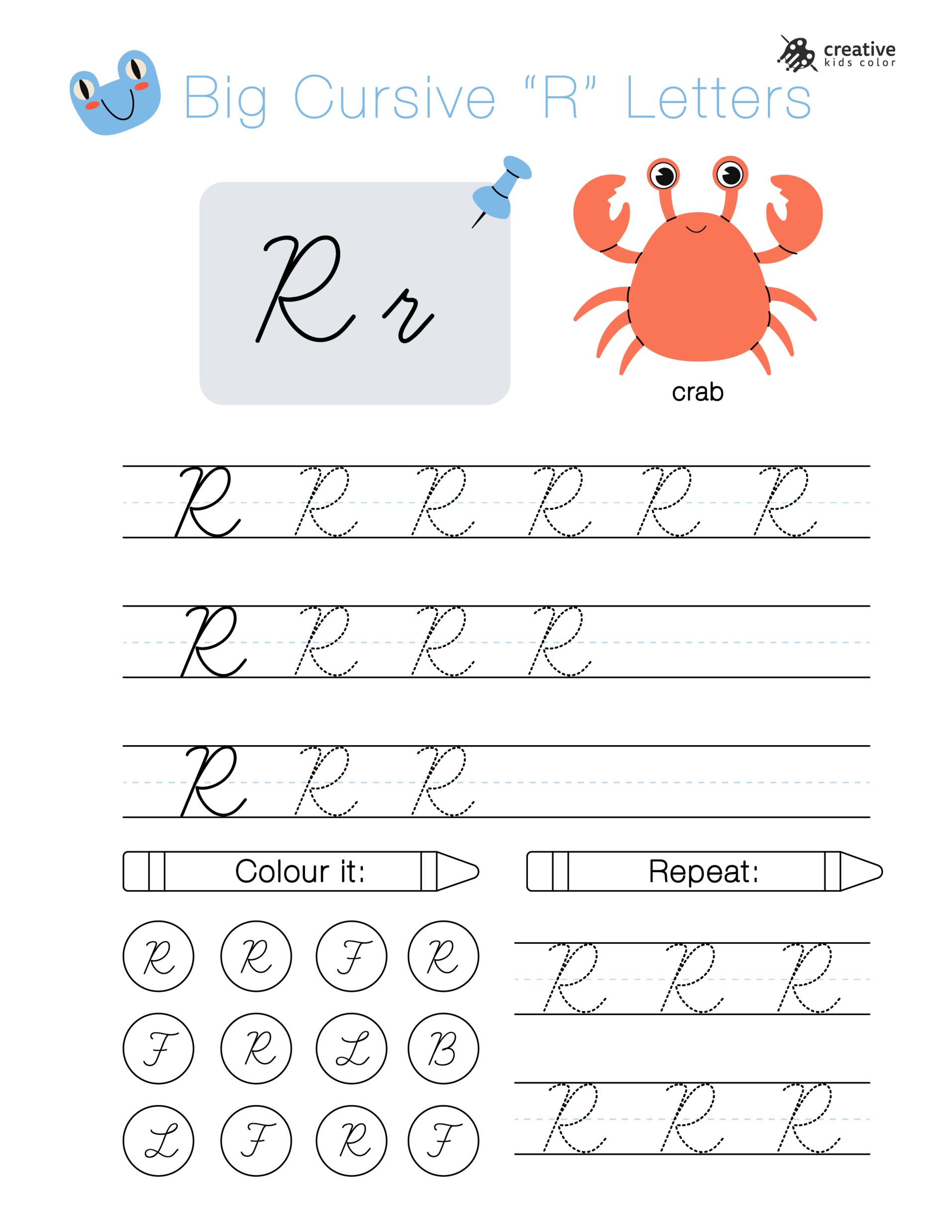
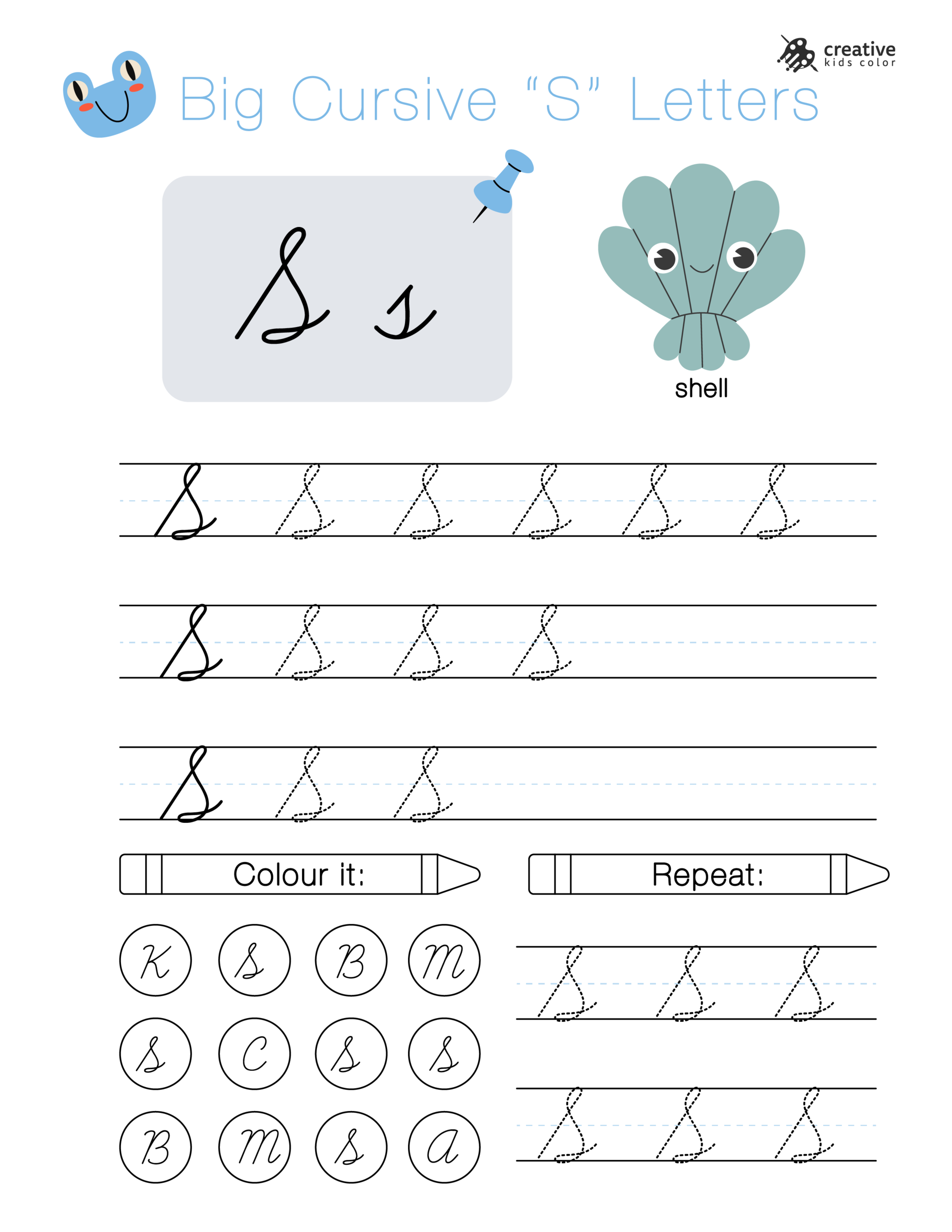
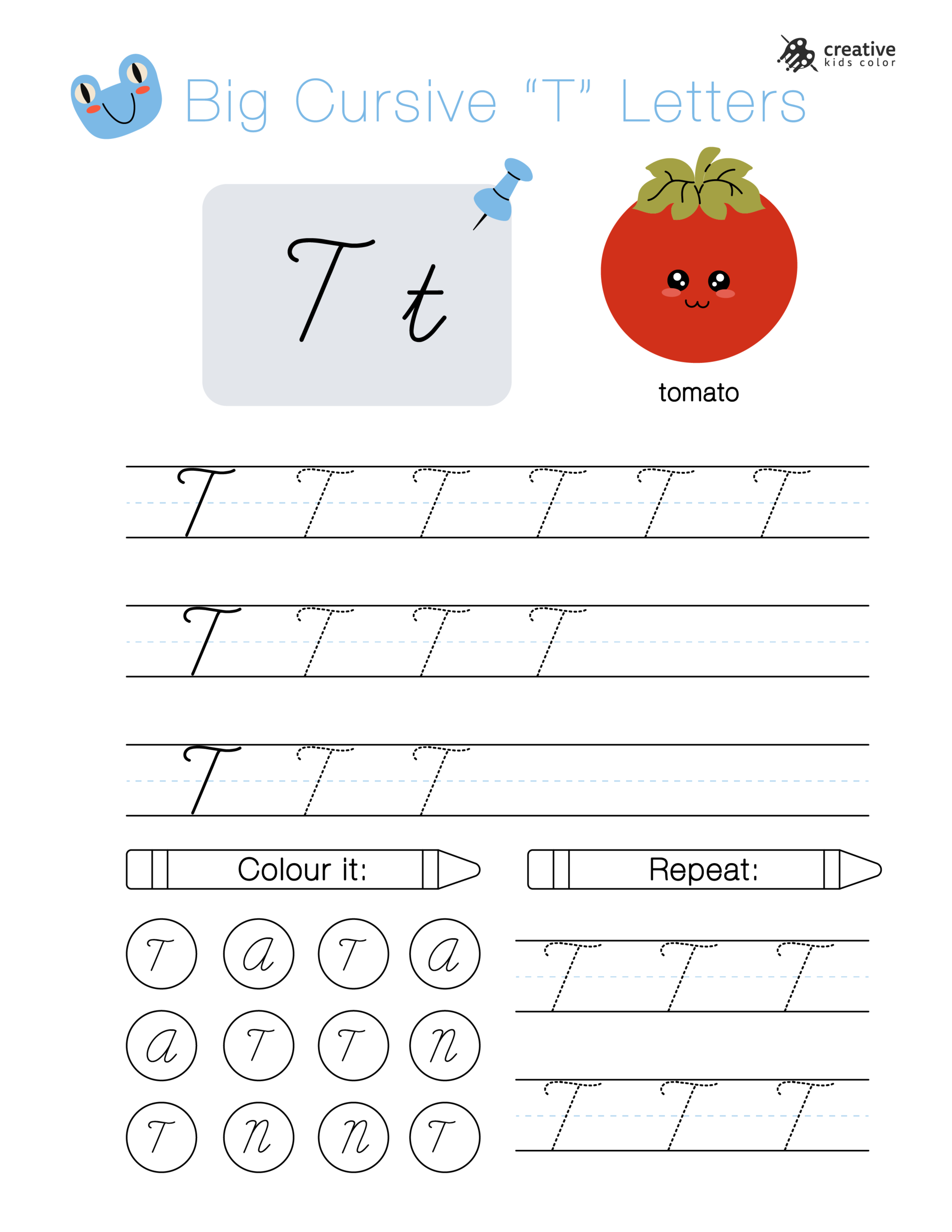
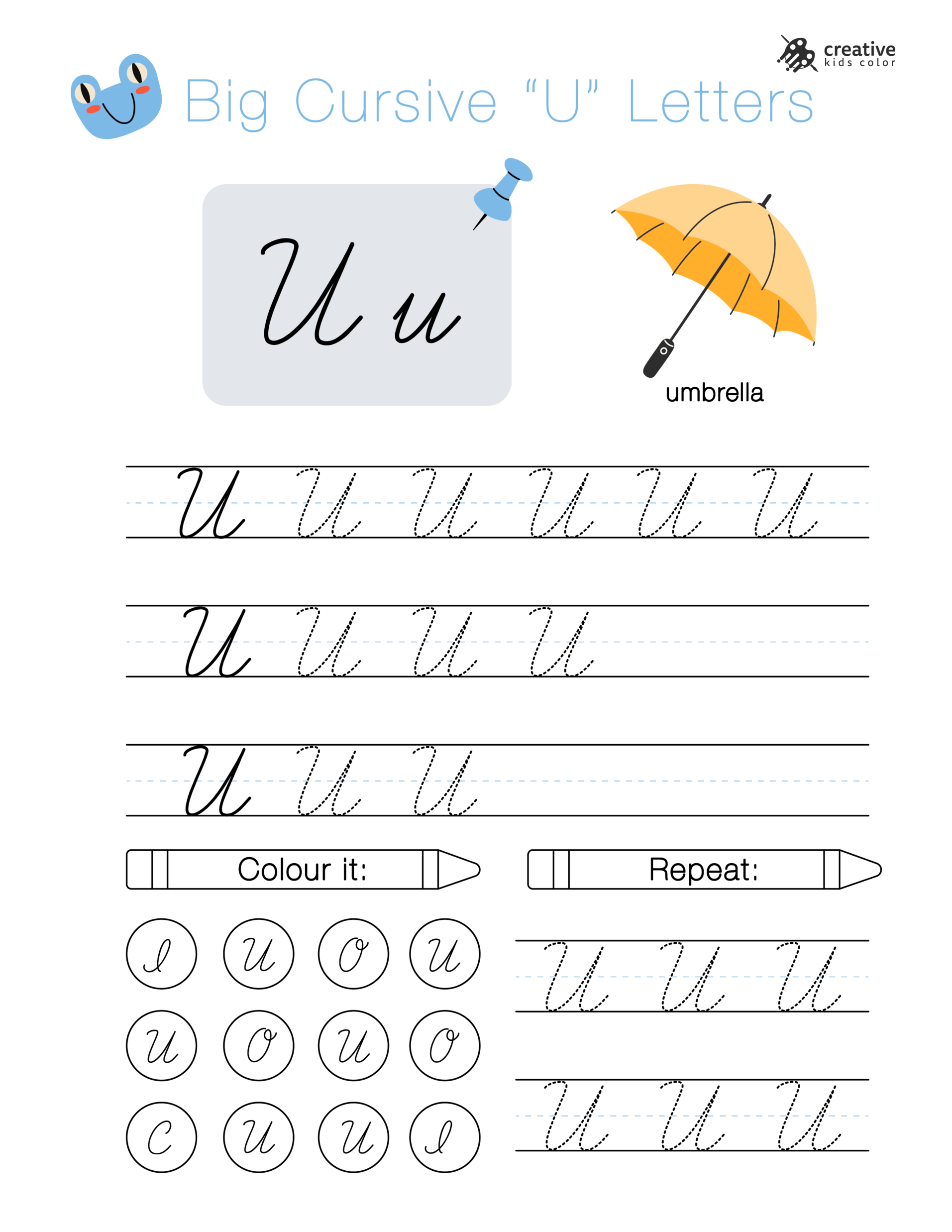
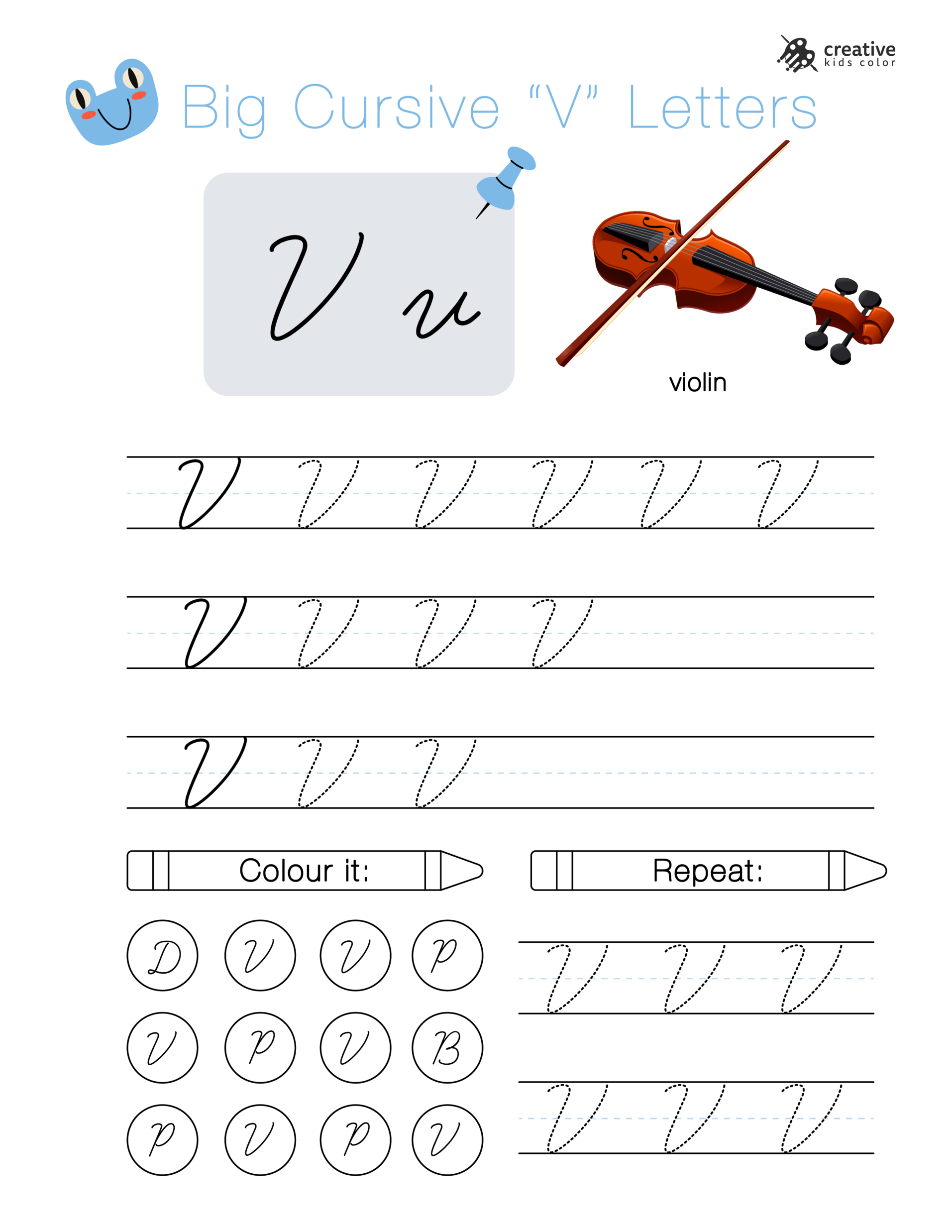
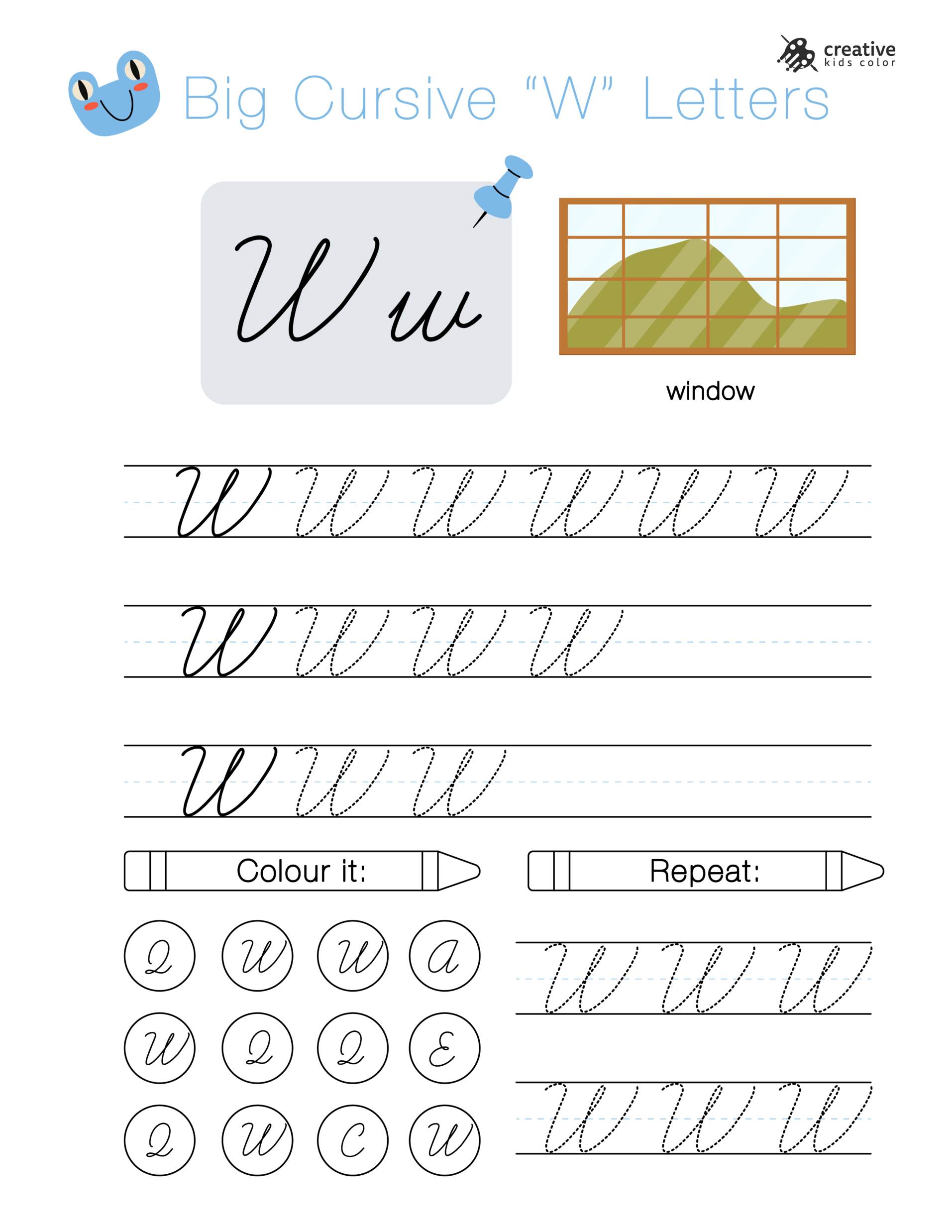
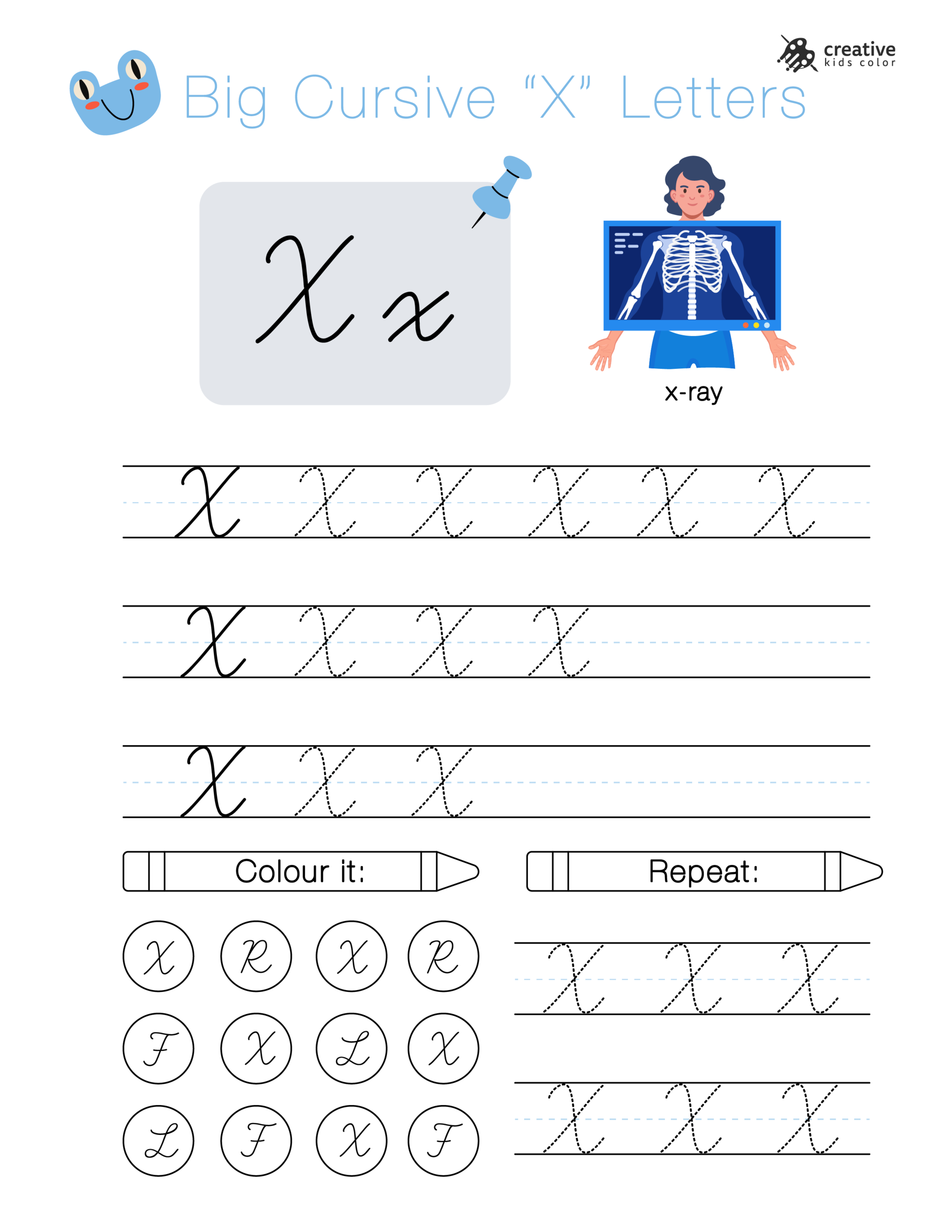
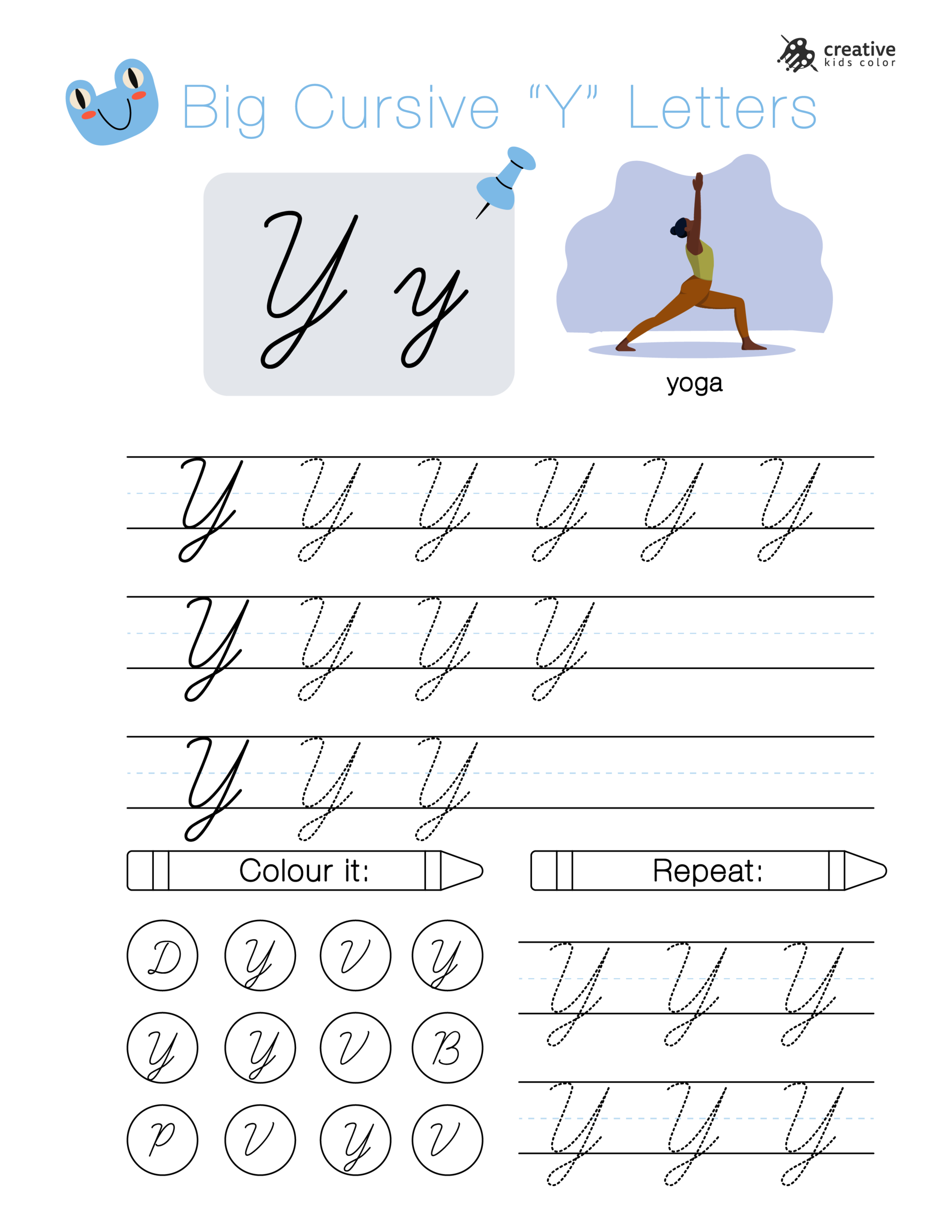
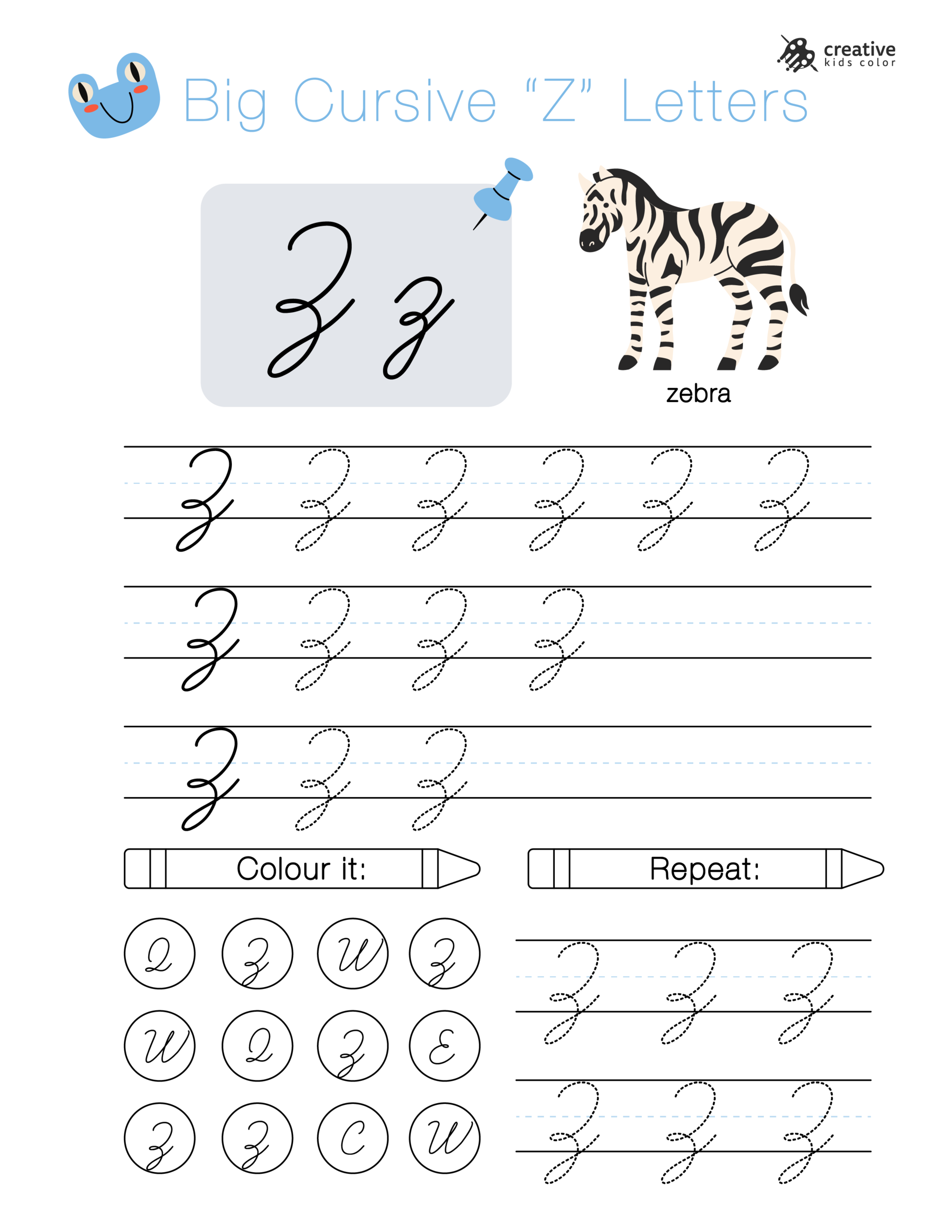
- Big Cursive Letters help students understand the overall shape and movement of cursive writing.
- Cursive Upper & Lowercase provides balanced practice between capital and small letters.
- Cursive 3 Letter Words encourages learners to connect letters smoothly and form real words.
Why Learning Cursive Still Matters
Learning cursive is more than just handwriting practice. It gives children a sense of rhythm, patience, and personal expression that goes beyond the classroom.
1. Helps Develop Fine Motor Skills
Writing in cursive strengthens the small muscles in the hand and wrist. Each curved motion and connection improves coordination and control.
2. Improves Memory and Focus
Writing by hand encourages focus and deep thinking. As students trace and repeat each letter, they naturally remember shapes and words more clearly.
3. Inspires Creativity
Cursive writing has a unique artistic flow. The movement of the pen on paper allows for self-expression and helps children see writing as something creative and enjoyable.
4. Builds Confidence and Speed
With practice, writing in cursive becomes faster and smoother. Children begin to write with confidence as they see their progress on each page.
5. Keeps Tradition Alive
Many historical letters, family notes, and personal messages are written in cursive. Learning it helps children understand and connect with the beauty of handwritten communication.
How To Use These Worksheets
Start with the Big Letters section to explore how each letter is shaped.
Then move on to Upper and Lowercase practice to refine transitions.
Finally, try 3 Letter Words to apply what you have learned in real writing examples.
Print the pages as often as you like and let repetition build confidence and fluency. With time and patience, your handwriting will improve naturally.